Apple’s first foldable iPhone is facing late-stage manufacturing issues that might delay its release beyond earlier expectations, according to a report from Chinese leaker Fixed Focus Digital.
The delay isn’t due to cracked screens or faulty parts. Instead, two main issues are causing the hold-up: unresolved pricing talks with manufacturing partners and an ongoing discussion within Apple about the materials for the phone’s hinge.
What’s Actually Causing the Delay
The hinge is the crucial joint that allows a foldable phone to bend without breaking. It’s the most technically challenging component of any folding device, and Apple hasn’t yet decided on its material. That’s a big choice to still be open at this stage of development.
Meanwhile, Apple is still negotiating manufacturing costs. This kind of back-and-forth with suppliers can directly impact production timelines. If Apple and its partners can’t agree on pricing, production schedules slip, and launch dates follow suit.
According to MacRumors, these issues are labeled as “late-stage manufacturing snags,” indicating that the product is advanced enough that these are finishing touches, not fundamental design changes. It’s like a house mostly built, but the contractor and homeowner are still arguing over fixtures and final costs before anyone can move in.
What Was the Original Timeline?
Many expected Apple to launch its foldable iPhone in 2026, likely in the second half of the year. However, this new report raises doubts about whether that timeline is still feasible, although no specific revised date has been provided.
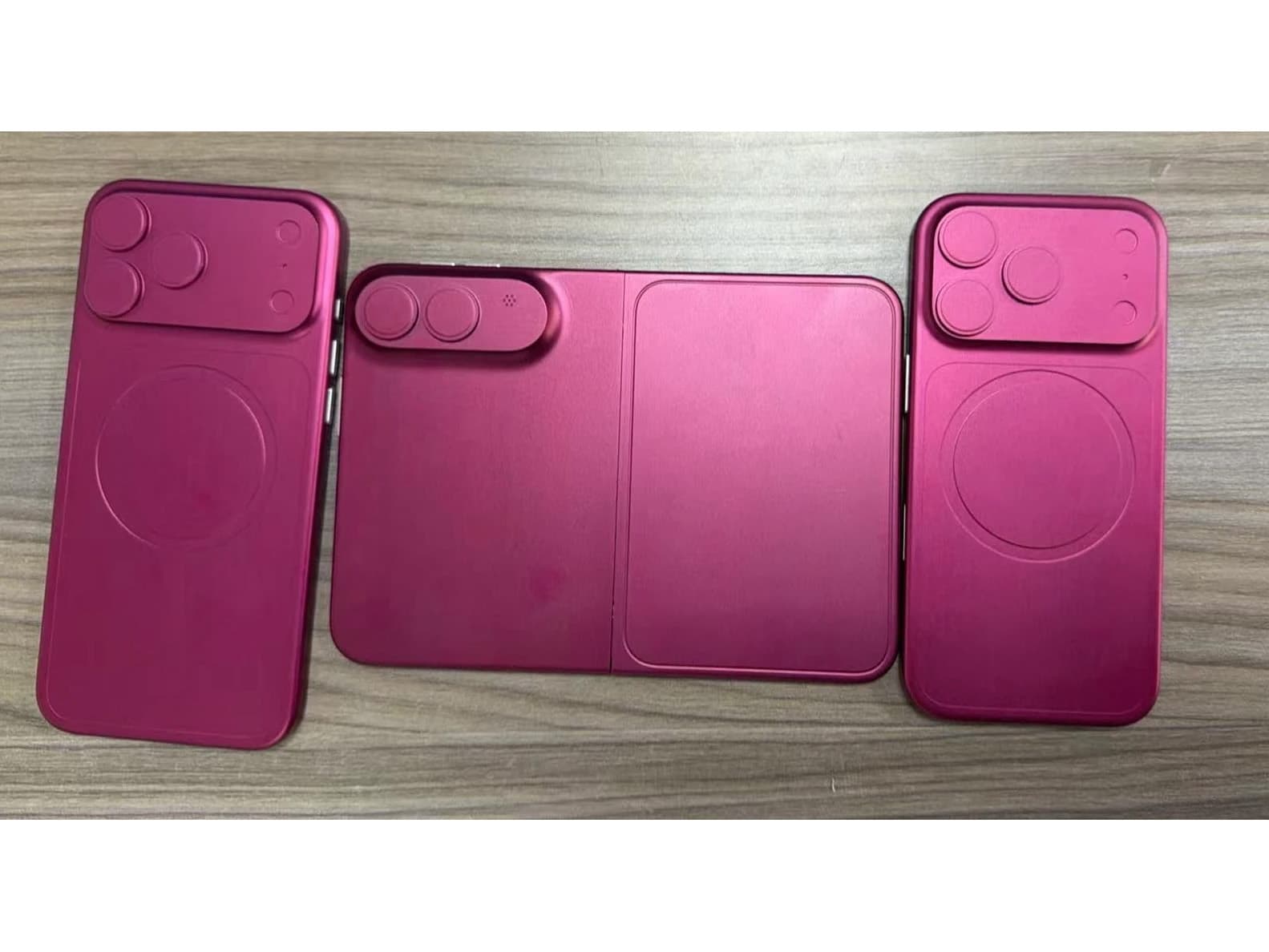
Earlier this month, a dummy unit (a non-functional mockup used to test cases and accessories) appeared online, showing what the iPhone Fold could look like. This model showcased a surprisingly wide design when opened, resembling a small tablet more than the taller, narrower shape of Samsung’s Galaxy Z Fold series.
| Apple at a Glance | |
|---|---|
| Ticker | AAPL |
| Stock Price | $256.18 (-1.05%) |
| CEO | Tim Cook |
| Headquarters | Cupertino, CA |
| Founded | 1976 |
| Sector | Big Tech |
Apple Is Late to Foldables — By Design?
Samsung has been in the foldable phone market since 2019, while Google entered the fray with its Pixel Fold in 2023. Apple’s absence from this segment has been intentional. The company prefers to wait until it believes it can outperform what’s currently available, rather than being the first.
This strategy works well until it doesn’t. The longer Apple waits, the more time competitors have to refine their products and secure early adopters. Samsung’s foldables are now in their seventh generation. So, a delay for the iPhone Fold means Apple will enter an even more developed market.
The debate over the hinge is particularly revealing. Apple’s reputation hinges on creating premium, long-lasting hardware. If they aren’t confident in the hinge material, they likely won’t release the product. A faulty hinge that breaks after a year would be a major PR issue for a device expected to cost over $2,000.
What This Means
If you were planning to upgrade your phone with the iPhone Fold this fall, you might want to hold on to your current device a bit longer. There’s no confirmed launch date yet, and Apple hasn’t officially acknowledged the product or its timeline.
For those who already own a foldable Android phone, this delay won’t impact daily use much. But for many iPhone users eager for a folding option, patience is still key.
The broader concern is pricing. Negotiations over manufacturing costs often influence the final retail price. If Apple and its suppliers are still in talks, the iPhone Fold could end up costing more than expected, or Apple may be pushing to keep it under a certain price point to attract a wider audience.
Community Reactions
“Apple will take their time and release it when it’s ready. I’d rather wait an extra year than get a hinge that creaks after 6 months.”
“The fact that they still haven’t picked hinge materials at this stage is kind of wild. That’s like, the whole point of the phone.”
What To Watch
- Apple’s WWDC 2026 (typically June): Apple rarely announces hardware here, but software previews can hint at designs for new features — like multitasking UI for larger, foldable screens.
- Supply chain reports this summer: Manufacturing timelines often leak from Asian supply chain sources 3-4 months before a product ships. Watch for updates around June or July.
- Apple’s fall iPhone event: If the iPhone Fold misses a fall 2026 window, the next realistic opportunity would likely be spring 2027, marking nearly a decade behind Samsung’s first foldable.
- Hinge material decision: Any report confirming that Apple has settled on a material would suggest that production is moving ahead seriously.

Ava Mitchell
Ava Mitchell is a digital culture journalist at Explosion.com covering social media platforms, streaming services, and the creator economy. With 4 years reporting on TikTok, Instagram, YouTube, and the apps that shape daily life, Ava specializes in explaining platform policy changes and their impact on everyday users. She previously managed social media strategy for a tech startup, giving her firsthand experience with the platforms she now covers.