The four astronauts on NASA’s Artemis II mission are capturing stunning images of Earth from deep space using an iPhone 17 Pro Max. This marks the first time Apple’s flagship smartphone has been utilized for photography during a crewed lunar mission.
What Happened
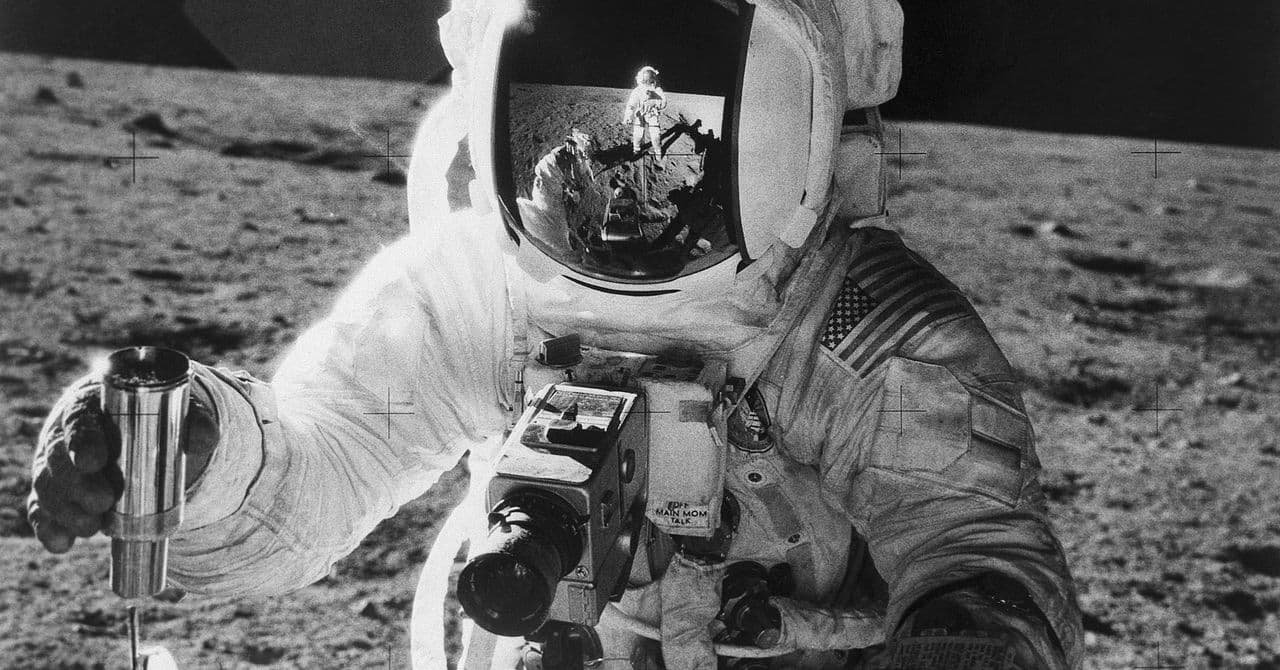
As the Artemis II crew journeys toward the Moon, they’ve been snapping photos of Earth from a perspective that most people will never experience. The images they’ve shared publicly showcase our planet suspended in the darkness of space, reminiscent of the iconic “Blue Marble” photographs taken by Apollo astronauts in the 1970s.
This is noteworthy for a couple of reasons. First, it highlights how advanced consumer smartphone cameras have become. Second, it places Apple’s “Shot on iPhone” marketing campaign in an unparalleled context: outer space.
The Artemis II mission marks the first crewed flight of NASA’s Artemis program, which aims to return humans to the Moon for the first time since Apollo 17 in 1972. While Artemis III plans to land on the lunar surface, Artemis II is a flyby mission. It sends four astronauts around the Moon and back to Earth to evaluate the Orion spacecraft and its systems.
Why an iPhone?
NASA has a tradition of incorporating off-the-shelf consumer technology alongside its specialized equipment. Smartphones are compact, lightweight (since weight is a costly factor for space launches), and increasingly powerful. The iPhone 17 Pro Max boasts Apple’s latest camera system, featuring a 48-megapixel main sensor, a 5x optical zoom telephoto lens, and computational photography tools. These tools enhance photos automatically, ensuring clean, detailed images even in tricky lighting conditions.
Photography in space presents unique challenges. Lighting can be harsh and uneven, with no atmosphere to diffuse the sun’s rays. The iPhone 17 Pro Max’s ProRAW format captures more image data than standard photos. This allows the crew to take shots that can be processed later for optimal detail.
Shot on iPhone, But Make It Space
Apple has been running its “Shot on iPhone” ad campaign for over a decade. This campaign showcases photos and videos taken by everyday users and professionals worldwide. Now, lunar photography from a NASA mission feels like a natural progression. It’s an organic marketing moment that no advertising budget could buy.
| By The Numbers: Artemis II & iPhone 17 Pro Max | |
|---|---|
| Crew size | 4 astronauts |
| Mission type | Crewed lunar flyby (no landing) |
| iPhone 17 Pro Max main camera | 48 megapixels |
| Telephoto zoom | 5x optical |
| Last crewed Moon mission | Apollo 17, December 1972 |
| Artemis program goal | Return humans to lunar surface (Artemis III) |
What the Artemis Missions Are Actually Trying to Do
Beyond the impressive photography, the Artemis program has significant scientific objectives. According to Wired, the missions aim to answer critical questions about the Moon. These include the origins of its water ice, how the lunar surface interacts with solar wind, and the Moon’s internal structure. Understanding the Moon’s water resources is vital for establishing a long-term human presence, as water can be converted into hydrogen and oxygen for rocket fuel.
Artemis II serves as a shakedown cruise for all these objectives. Successfully getting humans around the Moon and back will ensure that both the Orion spacecraft and the Space Launch System (NASA’s heavy-lift rocket, comparable in power to the Saturn V) function properly with a crew onboard.
What This Means
For everyday iPhone users, this moment serves as proof of concept. If a consumer smartphone can capture usable, shareable images from 230,000 miles away in one of the most challenging photographic environments, the divide between “professional camera” and “phone camera” has nearly vanished for practical uses.
This also indicates where NASA is headed. The agency is becoming more comfortable incorporating consumer technology into its missions. This approach helps control costs and leverages the rapid innovation cycle of commercial products. Your iPhone gets camera upgrades every year, while custom NASA hardware doesn’t.
For Apple, the timing couldn’t be better. The company has faced pressure to prove that its Pro Max line justifies its higher price. Having astronauts use it for a lunar mission—even informally—provides real-world validation that no benchmark test can replicate.
Community Reaction
“This is genuinely insane. I use my 15 Pro Max to take photos of my dog, and these guys are using the same technology to photograph Earth from the Moon. What a time to be alive.”
— u/orbital_tangent, r/space
“Apple’s marketing team is likely brainstorming how to leverage this without appearing to exploit a NASA mission. Spoiler: they’re going to use it.”
— YouTube commenter on 9to5Mac’s coverage
What To Watch
- Official image releases: NASA usually publishes high-resolution mission photography in its public galleries. Keep an eye out for the formal release of the Artemis II Earth photos, which may include both iPhone-captured images and shots from Orion’s dedicated cameras for comparison.
- Apple’s response: Watch to see if Apple officially partners with NASA to promote these images as part of a Shot on iPhone campaign. Any announcement is likely to come through Apple’s social channels or at a future product event.
- Artemis III timeline: The next mission aims to land astronauts on the lunar south pole, and it carries the highest scientific stakes. Updates on its launch window are expected later in 2026.
- More mission photography: As the crew continues their journey around the Moon, they’ll likely capture additional images. The return trip will provide fresh angles of both the Moon and Earth that haven’t been seen by humans in over 50 years.

Ava Mitchell
Ava Mitchell is a digital culture journalist at Explosion.com covering social media platforms, streaming services, and the creator economy. With 4 years reporting on TikTok, Instagram, YouTube, and the apps that shape daily life, Ava specializes in explaining platform policy changes and their impact on everyday users. She previously managed social media strategy for a tech startup, giving her firsthand experience with the platforms she now covers.