
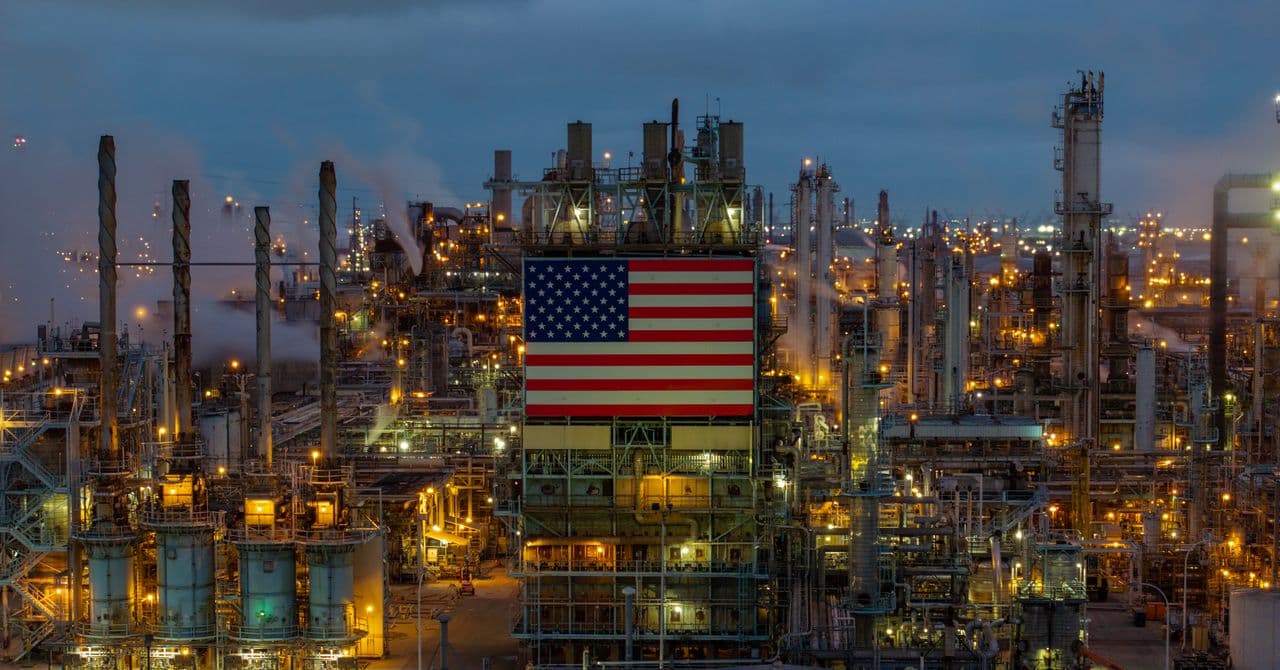
The FBI, NSA, and CISA (the Cybersecurity and Infrastructure Security Agency) have issued a joint warning about an uptick in attacks from Iranian-linked hackers targeting American critical infrastructure. This includes vital systems like energy grids and water treatment facilities, amid rising tensions between the U.S., Israel, and Iran.
What’s Happening
An advisory released in early April 2026 highlights that Iranian hackers are increasing the frequency and intensity of their digital assaults on U.S. infrastructure. They’re focusing on essential services such as water treatment plants and energy systems that millions of Americans rely on every day.
This warning isn’t just a coincidence. It comes as the conflict between the U.S. and Israel with Iran intensifies. The Trump administration has openly threatened Iranian infrastructure with potential counteractions. According to an article from Wired, Iran seems to be retaliating by using cyberattacks in this evolving conflict that increasingly reaches into the digital realm.
Think of this like a pressure cooker. As military and diplomatic tensions rise, some of that pressure gets released through cyberattacks. These attacks are less straightforward to attribute and come with a lower risk of immediate military engagement.
Who Is Behind the Attacks
U.S. agencies attribute these activities to Iranian state-sponsored groups. These hackers operate with the support or direction of the Iranian government. They’re not typical criminals looking for credit card information. Their aim is to disrupt and sabotage the systems that keep American communities functioning smoothly.
Water treatment facilities and power grids are particularly appealing targets. Even a short disruption can lead to significant panic and damage, especially for hospitals, emergency services, and vulnerable populations reliant on continuous utilities.
As reported by TechCrunch, the advisory notes that the hackers have “escalated” their tactics. This indicates a shift beyond merely continuing previous activities. The methods and boldness of these attacks have clearly intensified.
How These Attacks Work
Many critical infrastructure systems, especially older ones, use industrial control software to manage operations like water pressure and electricity flow. These systems were not designed to withstand today’s cybersecurity threats. Many were built decades ago and later connected to the internet for remote monitoring, creating new vulnerabilities.
Attackers generally seek out exposed login portals, unpatched software with known security flaws, or employees who might be tricked into clicking on harmful links. Once they gain access, they can monitor systems, steal data, or, in worst-case scenarios, manipulate equipment directly.
A striking example occurred in 2021 when a hacker accessed a water treatment plant in Oldsmar, Florida, attempting to raise sodium hydroxide levels to dangerous amounts. Fortunately, an operator caught the issue in time. This incident highlighted the real risks involved.
| By The Numbers | |
|---|---|
| Agencies issuing the joint advisory | 3 (FBI, NSA, CISA) |
| Primary sectors targeted | Energy, water, critical infrastructure |
| U.S. water systems nationwide | ~148,000 public water systems |
| Americans served by public water systems | ~300 million |
| Average cost of a critical infrastructure breach | $4.82 million (IBM, 2023) |
What This Means
For most people, this advisory won’t disrupt your daily life. However, it underscores how closely physical safety and digital security are linked. The water from your tap and the electricity that powers your home rely on software and networked systems vulnerable to remote attacks.
The more immediate concern lies with the operators of these systems. The joint advisory from the FBI, NSA, and CISA sends a clear message: utilities and infrastructure operators need to review their defenses, update their software, and reinforce access points.
For everyday users, the key takeaway may be indirect but crucial. These attacks highlight the importance of investing in cybersecurity for aging infrastructure. Local and state governments are under increasing pressure to modernize the systems that communities depend on.
As CNET points out, the timing of this warning is tied to escalating tensions in the Middle East. The threat level is likely to stay high as long as those tensions continue.
Community Reactions
“This is what actual warfare looks like now. No missiles, just someone sitting in a server room somewhere trying to turn off the lights in Cleveland.”
u/packets_and_politics, Reddit (r/technology)
“The scariest part isn’t even the hackers. It’s knowing that so much of our infrastructure is running on software from 2003 that was never meant to be connected to the internet.”
u/infrasec_eng, Reddit (r/netsec)
What To Watch
- CISA guidance updates: Expect the agency to release more detailed technical recommendations for infrastructure operators in the weeks following the advisory. These updates will clarify which systems are most vulnerable and what patches are necessary.
- Geopolitical developments: The level of threat linked to these attacks correlates with U.S.-Iran tensions. Any changes in the Middle East conflict will likely influence the frequency and intensity of cyberattacks.
- Congressional response: Lawmakers have previously advocated for mandatory cybersecurity standards for water utilities. This advisory might reignite that conversation, especially if a successful attack occurs soon.
- Potential retaliatory operations: The U.S. Cyber Command can conduct its own offensive operations. Keep an eye out for any signals from the administration regarding digital countermeasures aimed at Iranian systems.

Daniel Park
Daniel Park covers AI, cloud infrastructure, and enterprise software for Explosion.com. A former software engineer who transitioned to technology journalism 5 years ago, Daniel brings technical depth to his reporting on artificial intelligence, startup funding rounds, and the companies building the future of computing. He breaks down complex AI developments and business strategies into clear, actionable insights for readers who want to understand how technology is reshaping industries.