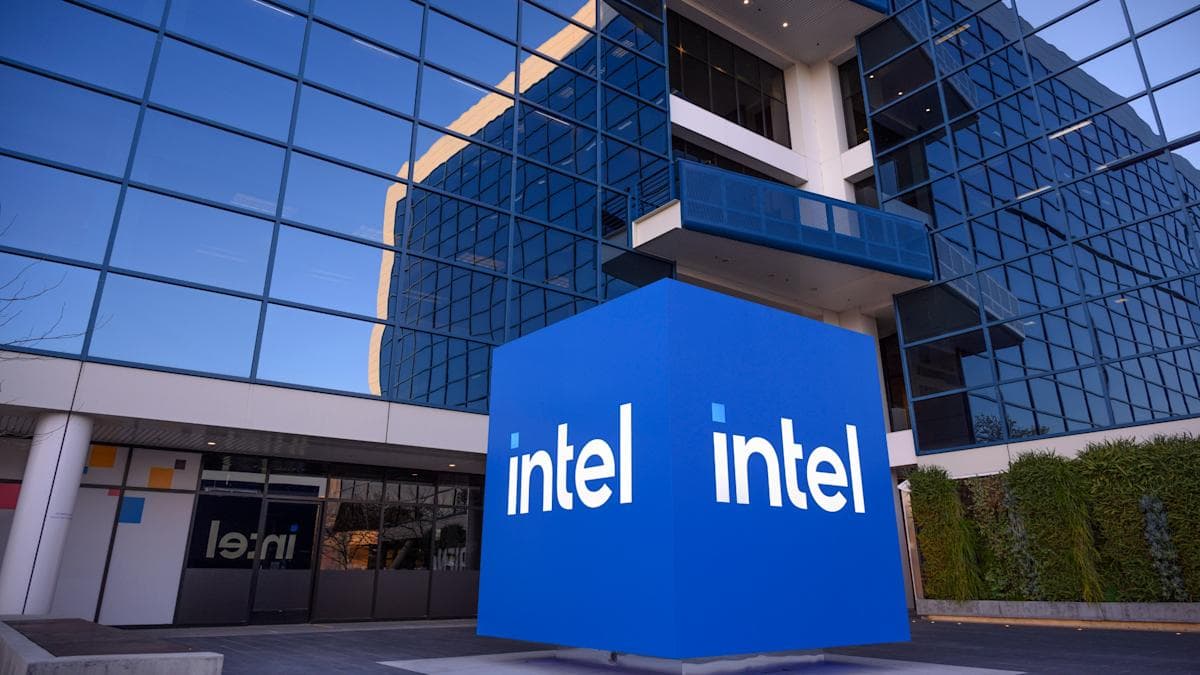
Intel has officially partnered with Elon Musk to design and build the Terafab facility in Austin, Texas. This project, valued at $25 billion, aims to centralize chip manufacturing for SpaceX, xAI, and Tesla.
The announcement, shared by Intel on X (formerly Twitter), confirms that the chipmaker will contribute its semiconductor manufacturing expertise to this ambitious venture. Following the news, Intel’s stock rose by 4.19%, closing at $52.91.
What Is Terafab?
Terafab is a proposed advanced manufacturing facility—a state-of-the-art chip factory—set for Austin, Texas. This project combines efforts from Musk’s companies to produce specialized hardware that will power AI systems, electric vehicles, and space technology, all under one roof. The name “Terafab” reflects its goal: “tera” refers to the trillion-scale computing operations these chips must handle.
Imagine it as a vertical farm, but for silicon. Instead of relying on a global supply chain that stretches through Taiwan or South Korea, Musk’s companies plan to manufacture essential components domestically, much closer to where they’re actually used.
What Intel Brings to the Table
Founded in 1968 and based in Santa Clara, California, Intel has been working to restore its reputation as a chip manufacturer after lagging behind competitors like TSMC and Samsung. Under CEO Pat Gelsinger, the company has made a strong push into contract chip manufacturing, or foundry services, producing chips designed by other firms.
Terafab provides Intel with a high-profile partnership at just the right moment. Musk’s companies require vast amounts of custom AI accelerators—specialized chips tailored for AI workloads, unlike the general-purpose chips found in laptops. Intel’s know-how could transform Terafab from an idea into a functioning facility.
According to CNET, the partnership includes chip design and manufacturing support. This means Intel isn’t just providing funding; they’re also contributing engineers and processes to the project.
Why Austin, and Why Now?
Austin already acts as a hub for several Musk operations. Tesla’s Gigafactory Texas is located there, and SpaceX has a substantial presence in the state. Centralizing chip production nearby cuts down on logistics costs and, ideally, gives Musk’s companies quicker access to the hardware they need to compete with rivals like Google and Microsoft in the AI race.
The timing also aligns with a broader effort to bring semiconductor manufacturing back to the U.S. The CHIPS Act (a 2022 U.S. law that allocated about $52 billion in subsidies to promote domestic chip production) created incentives for this type of investment. Intel has been a major beneficiary of this law, and a project like Terafab fits right into that national strategy.
As TechCrunch notes, this partnership adds authentic semiconductor expertise to a project that would struggle without such experience, especially in an industry where manufacturing precision is measured in atoms.
| Detail | Info |
|---|---|
| Ticker | INTC |
| Stock Price | $52.91 (+4.19% on announcement) |
| CEO | Pat Gelsinger |
| Founded | 1968 |
| Headquarters | Santa Clara, CA |
| Sector | Hardware / Semiconductors |
| Terafab Project Value | $25 billion |
| Terafab Location | Austin, Texas |
What This Means
For everyday users, the immediate effect might be indirect, but it’s still significant. If Terafab succeeds, it could lead to faster, cheaper AI features integrated into Tesla vehicles and xAI products like Grok. This project might also lessen American tech companies’ reliance on overseas chip suppliers, a growing concern amid ongoing trade tensions with China.
For Intel, securing a partnership with one of the most prominent tech ecosystems is a credibility boost at a crucial time. After losing trust from major clients to TSMC over the past decade, being selected to help build Terafab shows that Intel’s manufacturing turnaround is gaining momentum.
However, there are still major uncertainties. Building a $25 billion facility won’t happen overnight. Manufacturing advanced chips is incredibly complex, and projects of this scale often exceed budgets and deadlines. Engadget reports that Terafab is still in its early stages, meaning a functioning factory could be years away, even in the best-case scenario.
Community Reactions
“This is actually a big deal for Intel. They need a win, and this is a very visible one. Whether Terafab actually gets built is another question entirely.”
“Bold move by Intel. If Terafab works, they can claim they helped build the AI supply chain of the future. If it doesn’t, at least they tried something different.”
What To Watch
- Groundbreaking announcement: There’s no confirmed construction start date yet. Keep an eye out for permitting filings and site announcements in Austin as clear signs of genuine progress.
- Intel earnings calls: The next quarterly report will likely address Terafab’s scope and financial commitment, giving investors a clearer picture of Intel’s involvement.
- CHIPS Act funding updates: If Terafab qualifies for federal subsidies, an official government announcement would indicate the project has passed a significant regulatory hurdle.
- xAI hardware roadmap: Musk has emphasized that xAI needs more computing power to compete with OpenAI and Google. Any updates about xAI’s next data center could mention Terafab chips directly.

Ava Mitchell
Ava Mitchell is a digital culture journalist at Explosion.com covering social media platforms, streaming services, and the creator economy. With 4 years reporting on TikTok, Instagram, YouTube, and the apps that shape daily life, Ava specializes in explaining platform policy changes and their impact on everyday users. She previously managed social media strategy for a tech startup, giving her firsthand experience with the platforms she now covers.