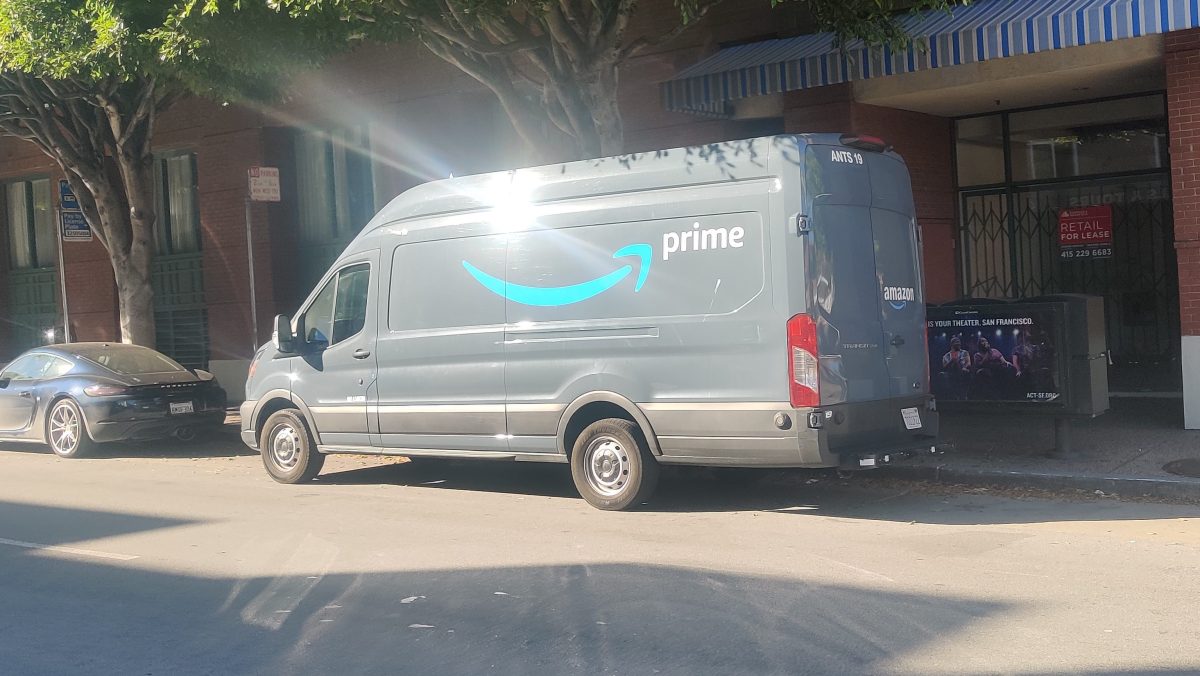
Amazon is introducing a 3.5% fuel surcharge for third-party sellers in the United States and Canada. The company cites rising energy costs due to instability in global oil markets following the Iran conflict.
While Amazon claims the fee is “temporary,” they haven’t given a timeline for its removal. This leaves sellers uncertain about how long they’ll face this extra cost.
| Amazon — By The Numbers | |
|---|---|
| Ticker | AMZN ($212.44, +1.28%) |
| CEO | Andy Jassy |
| Headquarters | Seattle, WA |
| Founded | 1994 |
| New Surcharge | 3.5% added to fulfillment fees |
| Markets Affected | United States and Canada |
What Is a Fulfillment Surcharge?
When you buy from a third-party seller on Amazon, that seller pays Amazon to store, pack, and ship the item. This service is known as Fulfillment by Amazon, or FBA. The new 3.5% surcharge adds to those existing fees.
Think of it like a restaurant adding a fuel surcharge to your delivery bill. The restaurant doesn’t absorb the cost — it gets passed on to you. The same logic applies here.
Why Is Amazon Doing This Now?
Amazon points to rising fuel costs, which are influenced by the ongoing Iran conflict and its impact on global energy markets. When oil prices rise, the costs of operating delivery vehicles and running fulfillment centers, which rely heavily on fuel, increase sharply.
This isn’t the first time Amazon has turned to sellers during tough times. In 2022, they implemented a similar fuel and inflation surcharge after gas prices surged due to Russia’s invasion of Ukraine. That surcharge eventually became part of a broader fee restructuring, which has made sellers cautious about this current change.
What Happens to Sellers — and to You
Third-party sellers represent over 60% of sales on Amazon’s marketplace. When their costs rise, they typically have two options: absorb the additional expense and reduce their profit margin or raise prices for customers.
Many smaller sellers already operate on tight margins, so a 3.5% increase is significant. For instance, on a $100 order with $10 in fulfillment fees, sellers will now pay $10.35. Multiply that across many orders, and it adds up fast.
For shoppers, this likely means slightly higher prices on goods from smaller third-party sellers, especially in categories like electronics, home goods, and apparel where independent sellers dominate.
What This Means
If you regularly shop on Amazon, you might notice small price hikes on items from third-party sellers in the coming weeks. Products sold directly by Amazon probably won’t be affected. You can tell the difference by checking if the listing says “Ships from and sold by Amazon.com” or shows a seller’s name.
For sellers on Amazon’s platform, the surcharge takes effect without a clear end date, complicating financial planning. Amazon’s use of “temporary” without a specific timeline frustrates many in the seller community.
Community Reaction
“‘Temporary’ is doing a lot of heavy lifting in that announcement. Remember when the 2022 surcharge was temporary?” — u/FBA_Grind, r/AmazonSeller
“So Amazon stock is up over 1% on the day they announce sellers are paying more. Funny how that works.” — YouTube comment on TechCrunch’s coverage, @marketplace_mike
Sources
- CNET: Amazon to Add 3.5% Fulfillment Surcharge as Fuel Costs Rise
- TechCrunch: Amazon Hits Sellers With ‘Fuel Surcharge’ as Iran War Roils Global Energy Markets
What To Watch
- No removal date set: Amazon hasn’t provided a timeline for ending the surcharge. Keep an eye out for any official announcements, especially if oil prices stabilize.
- Seller pricing shifts: Prices from third-party sellers on Amazon might start to rise over the next few weeks as they adapt to the new fee structure.
- Regulatory attention: With Amazon under antitrust scrutiny in the US and EU, a fee increase that pressures smaller sellers may attract more attention from regulators.
- Energy markets: The future of oil prices related to the Iran situation will likely influence how long “temporary” lasts. If prices drop, Amazon will feel pressure to eliminate the surcharge quickly.