Flipboard is rolling out a new feature called “social websites.” This lets anyone create a personal, topic-focused section of the internet—no coding skills needed—and connect directly to the broader decentralized social web.
If you’re unfamiliar with Flipboard, here’s a quick rundown: since 2010, it has functioned as a news-reading app that allows users to gather articles into visual, magazine-style feeds. In recent years, the company has become a strong advocate for the fediverse, a network of independently run social platforms that can communicate with one another, similar to how various email providers can exchange messages. Now, Flipboard is taking that idea further.
What Exactly Is a “Social Website”?
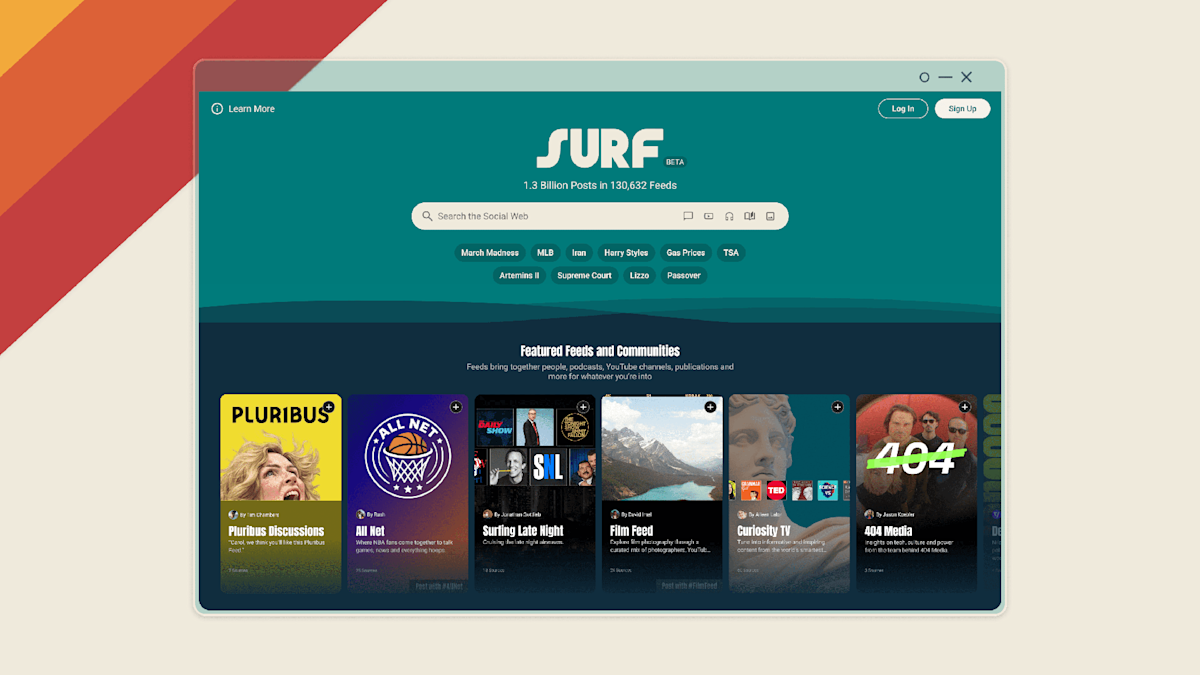
Think of a social website as your mini-publication that doubles as a social media profile. You choose a topic you’re passionate about—like vintage cameras, local politics, or indie games—curate related posts and articles, and publish it as its own web page with a unique URL.
The key twist? That page automatically connects to the fediverse via a protocol called ActivityPub. This open standard powers platforms like Mastodon and Bluesky-compatible tools, enabling different social networks to share content seamlessly. So, people on Mastodon can follow your social website and see your updates in their feeds without ever needing to visit Flipboard directly.
It’s like owning a restaurant that appears on every food delivery app at once, except your restaurant is a personal media channel.
Why Flipboard Is Doing This Now
Flipboard CEO Mike McCue has expressed a desire to offer users an alternative to algorithm-driven platforms like Instagram and X (formerly Twitter). The focus here is on ownership: your social website exists at your web address, not buried in someone else’s app where it could be demoted or deleted by a policy change.
This timing makes sense. Frustration with centralized social media has been growing for years. Platforms like Mastodon and Bluesky have attracted millions seeking alternatives. However, those platforms still require users to operate within their specific apps. Flipboard’s social websites provide something that resembles a real website, not just another social feed.
How It Works in Practice
Setting up a social website on Flipboard is easy and doesn’t require technical know-how. You select a topic, gather content like articles and links, and Flipboard takes care of publishing and connecting it to the fediverse. The result is a public-facing page that’s easy to browse like a blog and follow like a social account.
Anyone on a fediverse-compatible platform can subscribe for updates. Those who aren’t on any social platform can simply visit the URL like any regular website. Flipboard is building a bridge between traditional web publishing and the newer, decentralized social layer.
What This Means
This offers everyday users a straightforward entry point to the decentralized social web. You don’t have to grasp how ActivityPub works, choose a Mastodon server, or move your followers anywhere. Just create a page about something you love, and Flipboard does the rest.
This also tackles a real issue with niche online communities. Right now, if you want to grow an audience around a specific topic, you often get trapped by one platform’s rules and algorithms. A social website provides that community with a more stable, portable home.
The downside, at least for now, is that Flipboard still manages and controls the infrastructure. True decentralization would require running your own server, which this doesn’t offer. But for most users, it’s a significant step toward that goal without the technical hassle.
Community Reactions
“This is actually smart. Most people aren’t going to self-host a Mastodon instance, but they might set up something like this. Low barrier to entry is how you grow the fediverse.”
— u/fediversefan on Reddit
“Flipboard is still in the equation though. The whole point of decentralization is not having a middleman. Interested but cautious.”
— YouTube comment on The Vergecast’s fediverse coverage
By The Numbers
| Metric | Detail |
|---|---|
| Flipboard founded | 2010 |
| Fediverse protocol used | ActivityPub (open standard) |
| Compatible platforms | Mastodon, Pixelfed, and other ActivityPub apps |
| Technical setup required | None — no coding needed |
| Hosting | Flipboard-managed infrastructure |
What To Watch
- Adoption numbers: Flipboard hasn’t released user figures for social websites yet. Early uptake will indicate if mainstream users are ready for fediverse-connected publishing tools.
- Competitor response: Platforms like Tumblr (which also added ActivityPub support) and Ghost (a blogging platform with fediverse integration) are pursuing similar strategies. Keep an eye on feature competition in this area through mid-2026.
- Platform policy questions: As social websites grow, issues around moderation, content removal, and data portability will become crucial. Flipboard hasn’t yet detailed its policies for these situations.
- Broader fediverse growth: ActivityPub adoption across major platforms is speeding up. Meta’s Threads has already made limited connections to the fediverse. If a platform as large as Threads goes fully open, it could greatly expand the audience for tools like Flipboard’s social websites.
Sources: Engadget — Flipboard’s ‘social websites’ are a new spin on decentralized social media | Engadget — Is decentralization the future of social media?