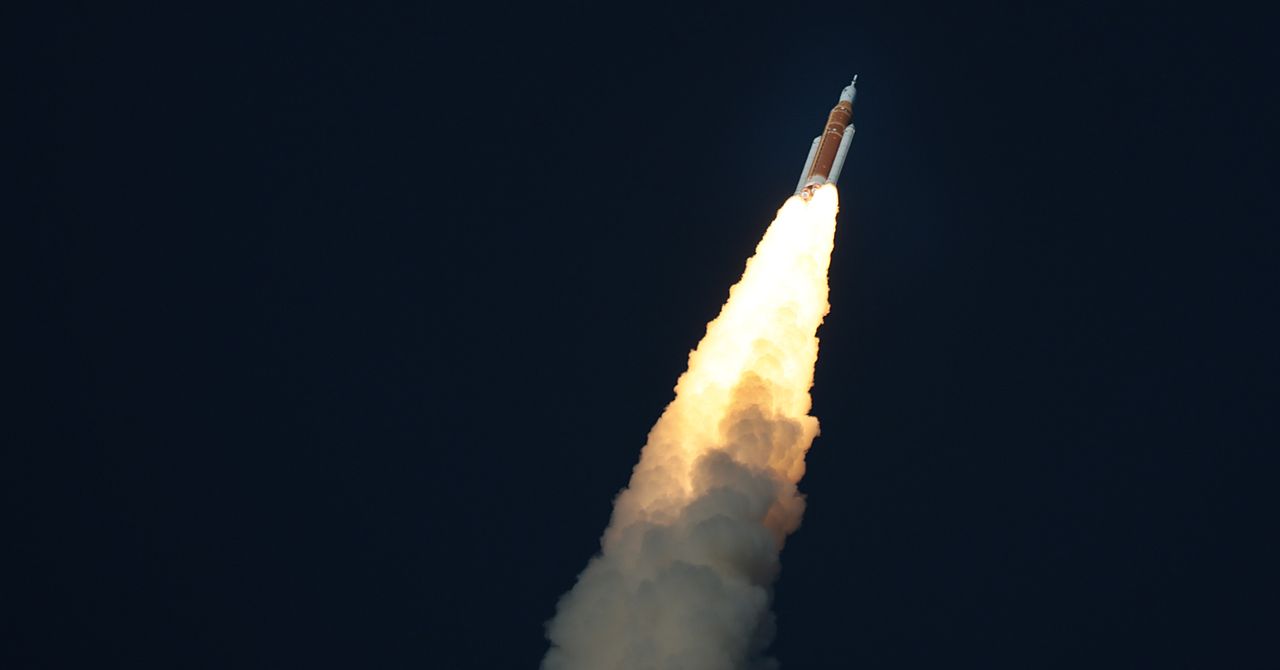
Even 250,000 miles from Earth, orbiting the moon, a broken email inbox can still be a headache. This week, the commander of NASA’s Artemis II mission shared that Microsoft Outlook failed during their historic 10-day lunar journey. This tech trouble feels all too familiar for anyone who’s dealt with a spinning loading wheel on a Monday morning.
What Happened Up There?
The four Artemis II crew members are cramped into a relatively small spacecraft for 10 days. Imagine a very expensive, very fast RV with no exits. During the mission, commander Reid Wiseman’s email inbox malfunctioned, leaving him unable to access Outlook. According to Wired, the issue arose mid-journey, which is quite inconvenient when you’re in charge of a crewed lunar mission.
NASA and the ground mission teams had to help troubleshoot the problem from afar — essentially providing IT support across a quarter-million miles of empty space. The communication delay between Earth and the moon is about 1.3 seconds each way. That means even a simple troubleshooting conversation takes longer than usual.
Yes, Astronauts Use Regular Software
You might be surprised to learn that astronauts on a high-tech NASA mission use the same email client that’s on your work laptop. Microsoft’s software suite, including Outlook and other Office tools, has been part of NASA’s workflow for years. Space agencies depend on logistics, scheduling, and communication, which means they need email, spreadsheets, and calendars, just like any large organization.
The International Space Station (ISS), where astronauts have lived continuously since 2000, has relied on commercial software tools for crew communication and operations. Using those same tools for deep-space missions like Artemis II is a natural progression. But software bugs don’t discriminate based on your location, whether you’re in Houston or halfway to the moon.
The Bigger Picture: Software Reliability in Space
A glitchy inbox during your commute can be annoying. However, a glitchy inbox on a lunar mission raises a serious question: how much do modern space missions rely on commercial software not specifically designed for space?
As noted by Engadget, the Outlook problem was ultimately the most uncomfortable tech issue the crew faced during their journey. Given the circumstances, that’s actually a good sign about everything else working well. Still, it shows how much modern spaceflight depends on off-the-shelf software originally created for office tasks.
| Microsoft — By The Numbers | |
|---|---|
| Stock (MSFT) | $373.46 (+1.11%) |
| CEO | Satya Nadella |
| Founded | 1975 |
| Headquarters | Redmond, WA |
| Sector | Big Tech |
| Outlook Users (worldwide) | 500+ million |
What This Means
For everyday users, this story is a reminder that no software is free from bugs — not even during a crewed mission to the moon. If anything, it offers a bit of comfort: the next time Outlook freezes on you mid-workday, remember you’re in the same boat as a NASA mission commander orbiting the moon.
More practically, it raises questions about how space agencies test and maintain commercial software for deep-space use. As NASA continues with Artemis missions aimed at landing humans on the moon again, ensuring software reliability across all mission components — not just rockets and life support systems — becomes crucial. A broken inbox is a hassle. A broken navigation or communication tool is a far more serious issue.
What People Are Saying
“Outlook not working is genuinely the most realistic thing about this entire mission. That app has been broken in some way since 2003.”
“NASA spent billions building a rocket that works perfectly and Microsoft still managed to be the weak link. Incredible.”
What To Watch
- Mission completion: The Artemis II crew is on a 10-day journey, so the full mission debrief should reveal more details about the tech issues that arose and how they were resolved.
- NASA software review: Keep an eye on whether NASA addresses how they vet and support commercial software for deep-space missions in the future.
- Artemis III: The next mission plans to actually land astronauts on the moon’s surface. Lessons learned from Artemis II will likely influence those preparations.
- Microsoft response: So far, Microsoft hasn’t publicly commented on the Outlook issue. It’ll be interesting to see if they address it or quietly implement a fix.