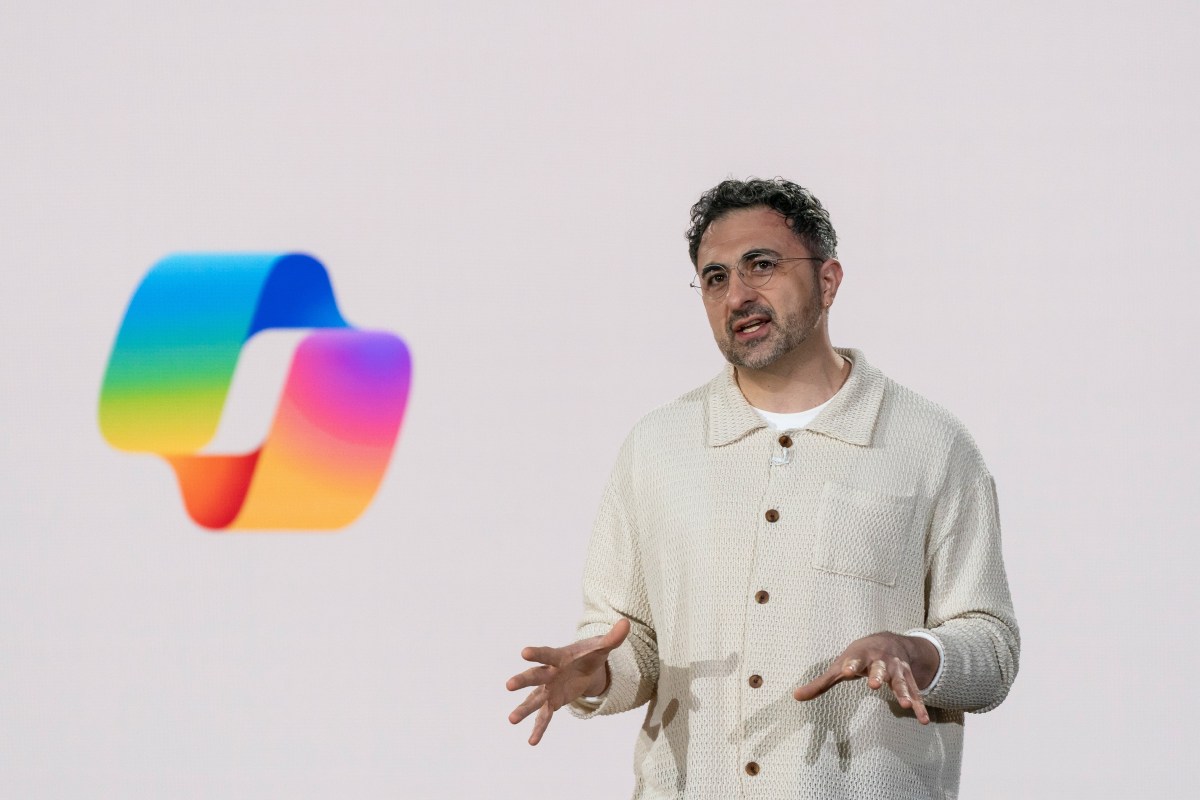
Microsoft has introduced three new foundational AI models. These large-scale systems are trained on vast datasets and can transcribe speech, generate audio, and create images. This move positions Microsoft to compete more directly with OpenAI, Google, and Anthropic.
The models originate from MAI, Microsoft’s internal AI research group that launched about six months ago. This release is MAI’s first significant public output, indicating that Microsoft wants to reduce its reliance on OpenAI for essential AI technology.
What Microsoft Actually Built
The three models focus on different media types:
- Speech-to-text transcription: This converts spoken audio into written text, similar to dictating a message on your phone.
- Audio generation: This creates audio output from prompts, which can enhance everything from voice assistants to narration tools.
- Image generation: This produces images based on text descriptions, placing it alongside tools like DALL-E, Midjourney, and Google’s Imagen.
Think of these foundational models as raw engines. They aren’t complete products on their own but are designed to be integrated into apps, services, and devices. By creating its own engines, Microsoft can avoid continuously licensing them from outside sources for each product it develops.
Why Microsoft Is Building Its Own Models
Microsoft has poured around $13 billion into OpenAI, whose technology powers Copilot — the AI assistant integrated into Windows, Office, and other products. Relying solely on a partner for foundational technology poses significant risks. If prices change, if the partnership falters, or if a competitor’s model outshines OpenAI’s, Microsoft would be left with limited choices.
By building in-house through MAI, Microsoft gains greater control over its AI strategy. This approach also allows the company to tailor models specifically for its own products and infrastructure. Such optimization can lead to speed and cost benefits that external partnerships may not provide.
This strategy mirrors other major tech companies. Google has its Gemini models while also offering third-party AI through its cloud. Amazon develops its own Titan models while hosting models from Anthropic and others. Microsoft appears to be adopting the same thinking: maintain partnerships, but don’t put all your eggs in one basket.
| Detail | Info |
|---|---|
| Ticker | MSFT |
| Stock Price | $373.46 (+1.11%) |
| CEO | Satya Nadella |
| Headquarters | Redmond, WA |
| Founded | 1975 |
| MAI Group Age | ~6 months |
| Models Released | 3 (speech-to-text, audio gen, image gen) |
How These Models Stack Up Against the Competition
The transcription space already features a strong competitor in OpenAI’s Whisper model, which many developers use for converting audio to text. In image generation, the competition includes Google’s Imagen, Stability AI’s Stable Diffusion, and Midjourney. Audio generation is a newer but rapidly evolving field, with players like ElevenLabs and Google’s AudioLM already in the mix.
Microsoft hasn’t shared detailed benchmark comparisons yet, so we can’t definitively assess how MAI’s models stack up against these established options. What’s interesting is that Microsoft is now vying in all three media categories simultaneously instead of concentrating on just one.
What This Means for Everyday Users
If you use Microsoft products like Word, Teams, Outlook, Windows, or Xbox, you’re likely to see these models integrated into the tools you already use, possibly without much notice. Expect improved transcription in Teams meetings, smarter image generation in Designer (Microsoft’s competitor to Canva), and more natural voice responses in Cortana or Copilot.
For most users, this won’t feel like a major product launch. Instead, it’ll be an enhancement of the tools you already rely on, quietly improving their ability to handle voice and images. That’s typically how upgrades for foundational models roll out — they integrate seamlessly before anyone even names them.
Businesses using Microsoft’s Azure cloud platform might gain more direct access to these models for building their own apps and workflows.
Community Reaction
“Microsoft building their own models is huge. They’ve been paying OpenAI basically to compete against themselves in some markets. Makes zero sense long-term.”
“Okay but can we see actual benchmarks before getting excited? Everyone says their model is competitive until you actually test it.”
What To Watch
- Benchmark results: Independent testing of MAI’s models against OpenAI Whisper, Google Imagen, and other competitors will truly show how they perform. Keep an eye out for third-party evaluations in the coming weeks.
- Azure integration: Microsoft usually rolls out new AI capabilities in Azure first for developers before they reach consumer products. An Azure announcement expanding MAI model access would indicate how quickly Microsoft plans to implement these changes.
- OpenAI partnership signals: Any shifts in how Microsoft discusses its OpenAI relationship during upcoming earnings calls (the next earnings report is expected in late April) could suggest how much MAI is intended to replace or complement OpenAI’s models.
- Copilot updates: If MAI’s models perform well, they might start powering features in Copilot directly. Watch for any updates in Copilot’s changelog that mention in-house or MAI models.
Sources: TechCrunch | CNET