Russian State Duma deputy Anton Gorelkin recently stated that major game development projects should receive funding from domestic corporations instead of relying on the state budget, as reported by WN Hub’s industry coverage. This marks a potential shift in how Russia’s gaming sector secures funding for large-scale productions, moving away from government subsidies and towards a model where private companies take on the financial risk.
Gorelkin’s stance highlights a broader issue within Russia’s gaming industry. The country aims to compete in AAA development, but state-funded projects bring political and financial accountability that corporate investment avoids. By encouraging companies to back major titles, Gorelkin is essentially pushing for a structure similar to Western publishing models. In these models, publishers like EA or Ubisoft independently cover development costs without relying on government funds.
This argument holds weight, especially considering Russia’s history with state-subsidized creative industries. Government-funded projects in film and software have faced criticism for inefficiency and a lack of creativity. Moving the financial burden to corporations could introduce market discipline—studios that fail to deliver commercially viable products would lose backing from corporate investors rather than taxpayer money.
However, it’s unclear if Russia’s corporate sector has the willingness or resources to fund games at the scale Gorelkin envisions. Russian developers have produced successful titles, with Mundfish’s Atomic Heart selling over 1 million copies in its first week of release in 2023. Yet, sustained AAA investment at the level of a $100M+ production budget has no established precedent among domestic publishers. While Gorelkin’s proposal seems simple in theory, the infrastructure needed to implement it on a large scale is still lacking.
This debate arises at a tricky time for Russia’s gaming market. After the February 2022 invasion of Ukraine, Western publishers pulled out, cutting off Steam payments and retail distribution for millions of Russian players. This created both an opportunity and a challenge for domestic development, making the question of who will fund the next generation of Russian games more pressing than it was three years ago.
| Steam Reviews (7 Days to Die) | 85% positive (182,023 reviews) |
| Current Steam Players | 36,222 |
| Current Price on Steam | $44.99 |
| Atomic Heart Week-1 Sales (2023) | 1,000,000+ units |
| Russian Steam Users (pre-2022 estimate) | ~10 million accounts |
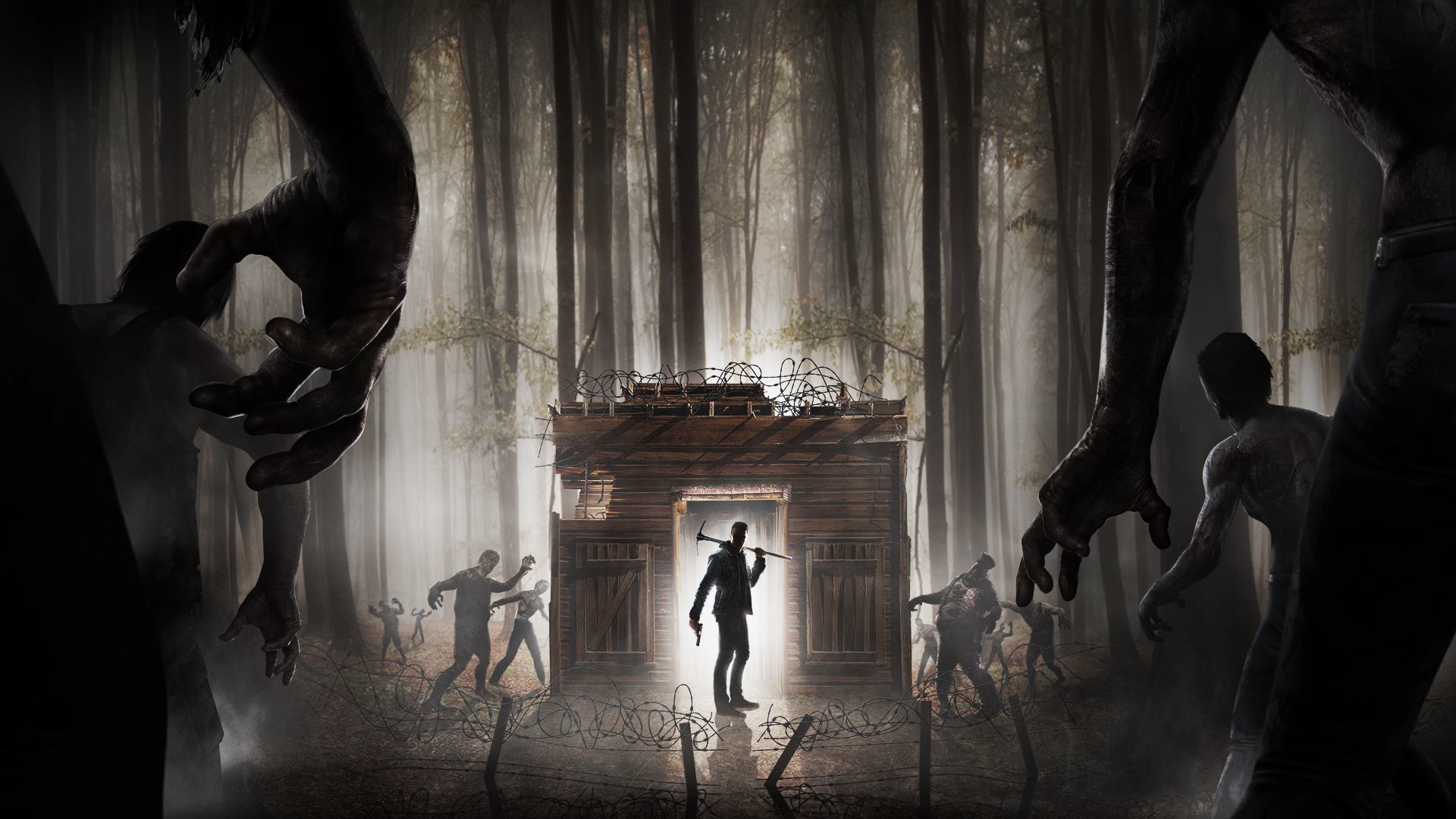
Community reactions to state involvement in game development have generally been skeptical. Players who witness long development cycles—like the 10-year early access period of 7 Days to Die—often point out how even well-funded projects can stall without proper commercial accountability. One Steam reviewer, who has logged significant hours in the game, expressed, “Save yourself the anguish. This game has an extremely troubled development that basically added nothing across multiple years before fully releasing.” This sentiment reflects a broader distrust among players toward projects insulated from market consequences, whether due to state funding or prolonged corporate patience.
What To Watch
- Keep an eye on whether Russia’s major tech companies—VK Group and Sber among the most likely—announce formal game development investment programs in response to Gorelkin’s comments.
- Watch how the Russian government structures any remaining support for games: whether through direct grants, tax incentives, or co-investment models, each approach will lead to different outcomes for the industry.
- Observe if domestic Russian studios can quickly close the production scale gap to fill the AAA void left by Western publisher exits, whether or not they have corporate backing.