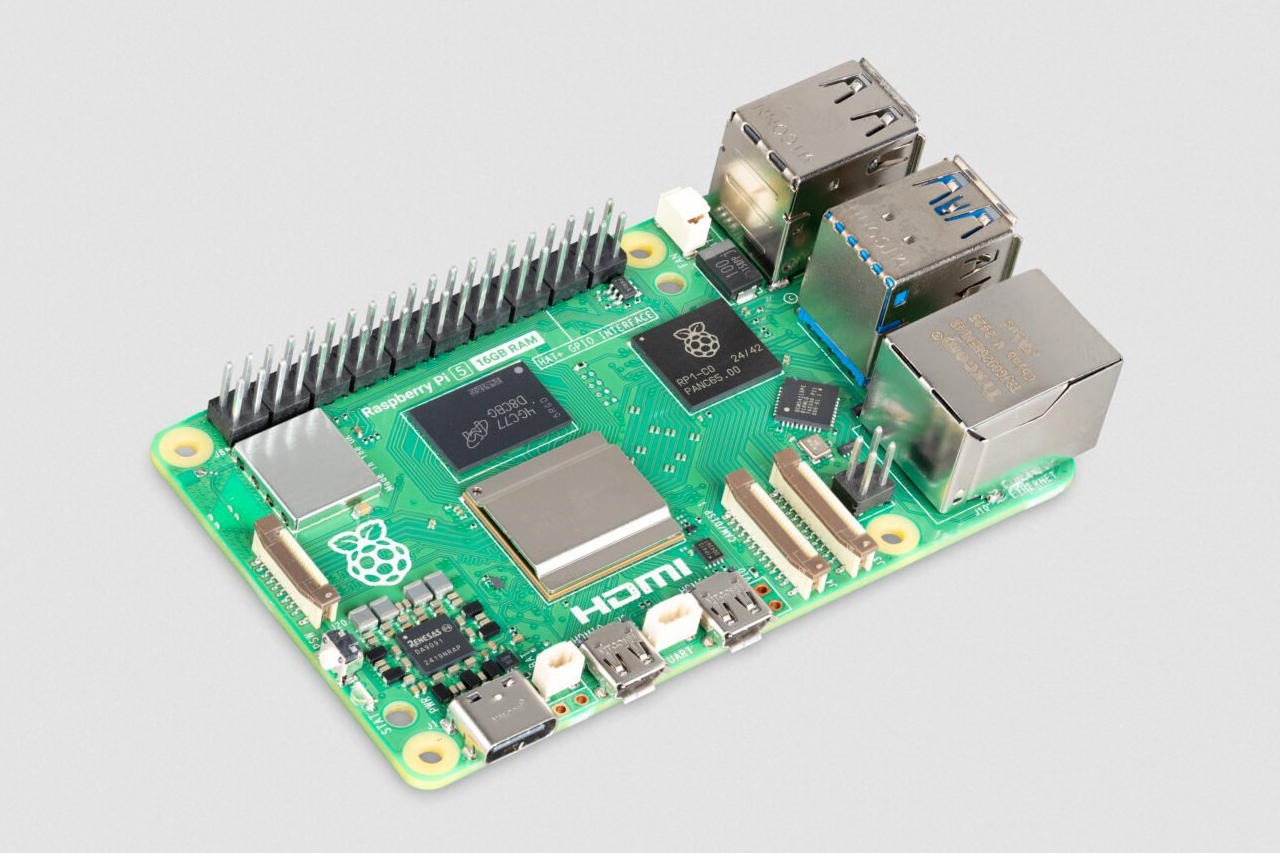
Raspberry Pi has raised prices on more than a dozen of its mini computers. The 16GB version of the Raspberry Pi 5 saw a price increase of $100, now nearing its original price of $120. This hike stems from a global RAM shortage. As a result, many Raspberry Pi users are finding that they might not be maximizing the value of their devices.
The Price Hikes Are Real — and Notable
These aren’t just small changes. A $100 increase on a device that originally cost $120 is a significant alteration in its value. Raspberry Pi confirmed that the price increases are due to rising memory costs and affect various models, not just the premium ones.
RAM (Random Access Memory) is crucial for running programs, and the global shortage is directly impacting consumer prices. This timing is tough for hobbyists looking to upgrade or first-time buyers wanting to start a home project.
| Model | Detail |
|---|---|
| Raspberry Pi 5 (16GB) price increase | +$100 |
| Original Raspberry Pi 5 launch price | $120 |
| Price increase as % of original cost | ~83% |
| Number of models affected by price hikes | Over 12 |
| Cause | Global RAM shortage |
Most People Are Using Their Raspberry Pi Wrong
Now here’s where it gets interesting. As prices rise, many users realize they haven’t been getting the best return on their investment. This isn’t because the hardware is flawed, but rather due to their approach.
Typically, someone buys a Raspberry Pi, spends time setting it up as a general-purpose home server, and then gets frustrated with maintenance. Eventually, it ends up collecting dust. Sound familiar?
A recent article from XDA Developers suggests that changing your mindset can unlock the true potential of a Raspberry Pi. Instead of seeing it as a mini-computer, view it as a dedicated appliance for a specific task. Think of it like a toaster: it doesn’t run your kitchen, but it performs one function exceptionally well without any fuss.
What That Actually Looks Like
Rather than loading a Raspberry Pi with countless services and struggling with updates and conflicts, the effective strategy is to assign it one clear role. This could be as a network-wide ad blocker, a dedicated retro gaming console, a local smart home controller, or a security camera recorder.
When a Raspberry Pi has a single job, setup becomes easier, it operates more reliably, and you rarely need to touch it again. This appliance mindset aligns perfectly with hardware that ranges from $35 to over $200, depending on the model.
What This Means for You
If you’ve been considering a Raspberry Pi, the recent price hikes suggest you should act quickly if a specific model catches your eye. Be sure to check current stock carefully. Some retailers may still have older inventory at previous prices, but that won’t last long.
If you already have one sitting unused, adopting the appliance approach provides a clear path to getting it operational. Pick a project, set it up, and leave it alone. Tools like Pi-hole (the ad-blocking software mentioned earlier) or RetroPie (a gaming emulator) are designed for easy installation and run without constant attention.
For those frustrated by unfinished Raspberry Pi projects, the community’s advice is clear: complexity kills momentum. Focus on smaller projects with a single purpose for better results.
Community Reactions
“I spent six months trying to make mine a NAS, a VPN server, and a media server all at once. Finally wiped it and just ran Pi-hole. It’s been running flawlessly for two years. Should have done that from day one.”
“The price increases hurt, but honestly the 4GB model is plenty for 95% of what most people actually want to do. People are overbuying RAM they’ll never use.”
What To Watch
- Retailer inventory windows: Some stores still have pre-hike stock. If you’ve been eyeing a specific model, check prices now — The Verge reports the increases are already live as of the announcement date.
- RAM market stabilization: Prices for global memory chips typically move in cycles. If the shortage improves in the latter half of 2025, Raspberry Pi might re-evaluate pricing — though the company hasn’t indicated any rollback plans yet.
- Alternative single-board computers: Other boards like Orange Pi and Rock Pi are gaining traction as Raspberry Pi prices rise. The key question is whether they can match the software support and community engagement of Raspberry Pi. XDA Developers has been tracking this shift in the community.
- Raspberry Pi 5 adoption curve: With the 16GB model now priced much higher, it’ll be interesting to see if buyers shift towards the 4GB or 8GB versions or pull back from purchases altogether.