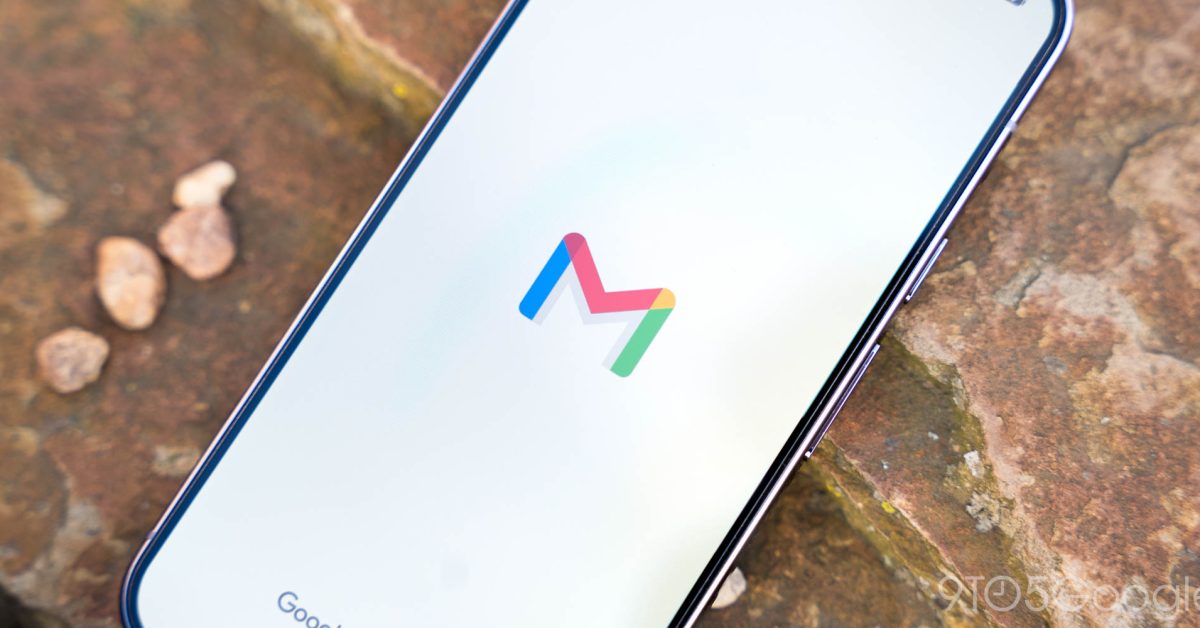
After years of being stuck with that username you chose in middle school, Google has finally rolled out the ability to change your Gmail address. This new feature is now available to all users in the United States.
Google started quietly testing this feature in late 2025, and now it’s broadly accessible to personal Google accounts across the US. This is one of the most requested updates for Gmail, addressing a long-standing issue: once you created a Gmail address, you had to keep it forever.
How It Works
Changing your Gmail address is easy. Just head to your Google Account settings and pick a new username (the part before the @gmail.com). Your old address won’t disappear — emails sent to it will still arrive in your inbox, so you’ll stay connected during the switch.
However, there are some important things to keep in mind before you ditch that embarrassing handle. According to TechCrunch, you can only change your address once every 12 months. Plus, once you make the switch, you can’t delete the new address for the same 12-month period. So, think carefully before you make a decision.
What About Your Old Address?
Your old email address will remain active as an alias (essentially a nickname for your account that still receives mail) for a while after you switch. This means anyone who emails your old address won’t get a bounce-back message. It’s like having your mail forwarded after a move — the post office will still catch what comes to the old address for a bit.
Your Google Account, including all your Drive files, Photos, YouTube history, and app purchases, will stay intact. You’re just changing the email label on your front door, not moving to a new house.
Why This Took So Long
Gmail launched back in 2004, and for most of its history, your username was permanent. The delay from Google isn’t due to laziness — it’s about complexity. Gmail addresses are connected to a vast network of services: Google Workspace, Android accounts, third-party apps, two-factor authentication, and more. Creating a system that lets you change one piece of text without disrupting everything linked to it required significant engineering effort.
As 9to5Google reported, the feature was first noticed in development back in December 2025, with the official rollout happening at the end of March 2026.
| Company | Alphabet (GOOGL) |
| Stock Price | $295.58 (-0.61%) |
| CEO | Sundar Pichai |
| Headquarters | Mountain View, CA |
| Founded | 1998 |
| Gmail Launch Year | 2004 |
| Address Change Limit | Once every 12 months |
| Availability | All US personal accounts |
What This Means For You
If you’ve been using Gmail since your teenage years, you likely have an address that doesn’t exactly scream professional. This update finally gives you a chance to start fresh without needing to create a brand-new account and manually migrate years of emails, contacts, and app logins.
This is also great for those who got married or divorced and want their email to reflect their current name. It’s perfect for users who made a typo while signing up or anyone looking for a shorter, easier address to share.
The one-change-per-year limit shows Google isn’t treating this lightly. It’s like choosing a new phone number — make sure to think it through before deciding.
Keep in mind that anywhere you’ve used your Gmail address to sign up for a service, you’ll need to update that info manually. Your old address will receive mail for a while, but the alias won’t last forever, and it won’t automatically update your login credentials on Netflix, your bank, or your work Slack.
Community Reaction
“Finally. I’ve had the same Gmail since I was 13. I’m 31. Do you know how many job applications I’ve sent from [redacted]@gmail.com?”
— u/throwaway_careers, Reddit r/google
“Cool feature but the 12-month lock is kind of annoying. What if you make a typo on your new address? You’re just stuck with it for a year.”
— YouTube comment on 9to5Google’s feature video
What To Watch
- International rollout: This feature is currently US-only. Google hasn’t shared a timeline for expanding it to other countries, but a broader rollout seems likely given the demand.
- Workspace accounts: Business and school accounts on Google Workspace aren’t included in this rollout. IT administrators will be keeping an eye on whether Google extends the feature to managed accounts.
- Alias expiration: Google hasn’t publicly stated how long your old email address will stay active after you switch. Clarity on that timeline will matter for users who take time to update accounts elsewhere.
- Edge cases: Watch for reports of any bugs or account issues during the address change process as millions of users try this for the first time.