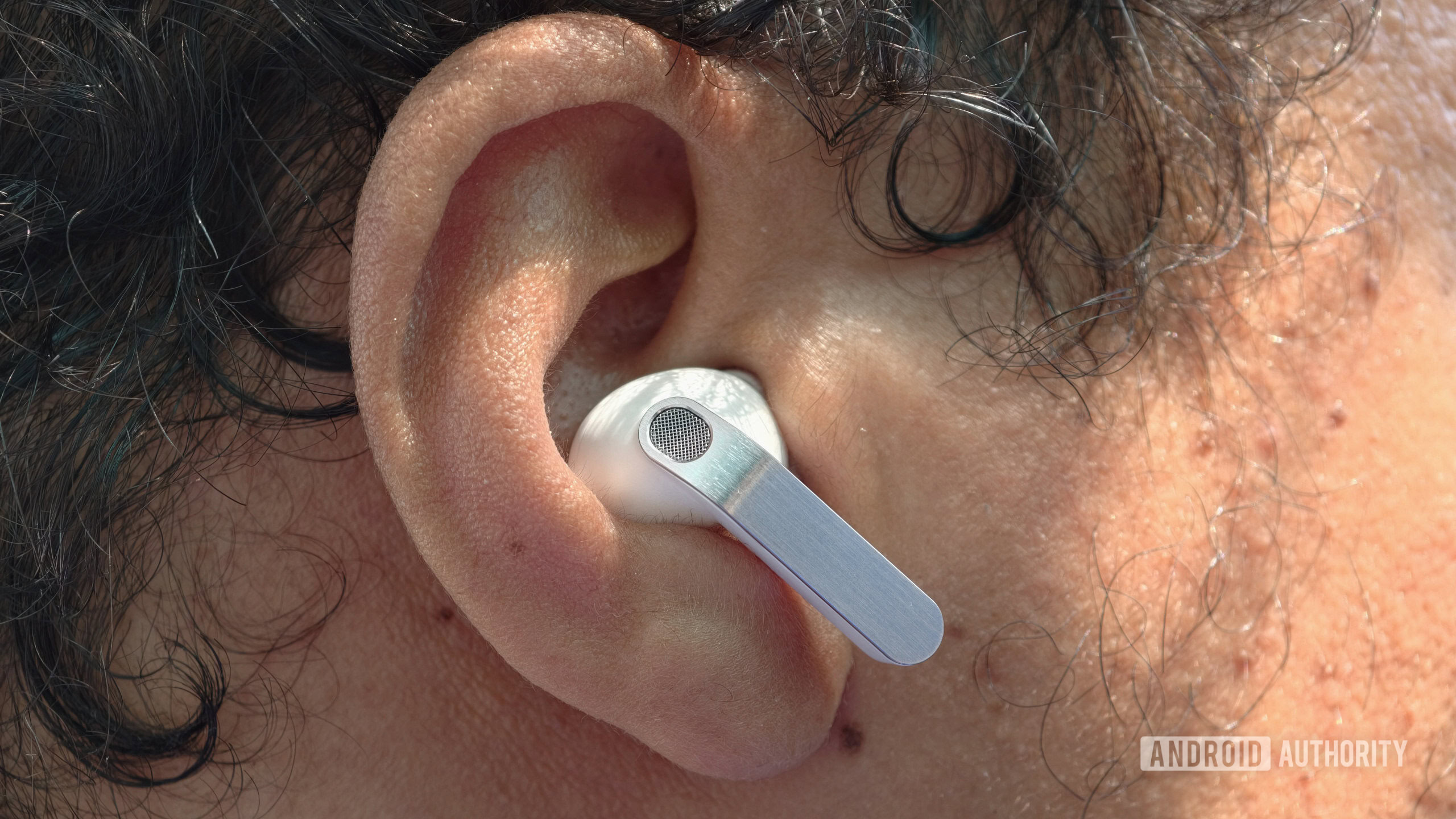
Samsung just launched a free app called Hearapy. It aims to reduce motion sickness by playing specific audio frequencies through your earbuds. While it’s designed for Galaxy Buds, you can give it a shot with any earbuds you already have.
What Is Hearapy and How Does It Work?
Hearapy is rooted in research from Nagoya University in Japan. The concept revolves around bone conduction audio, which sends sound waves through your skull bones instead of just your ear canal. It uses low-frequency tones to soothe the vestibular system, that part of your inner ear responsible for balance.
Motion sickness occurs when your brain receives mixed signals. For instance, your eyes see a still interior (like a car’s cabin), but your inner ear detects movement. This mismatch leads to nausea, dizziness, and overall discomfort. It’s like your brain is having a disagreement with itself and taking it out on your stomach.
Hearapy tries to resolve this issue by providing your auditory system with a steady signal that effectively “grounds” your sense of balance. The app plays these tones continuously while you’re traveling. Plus, you can layer your favorite music or podcasts on top without disrupting the effect.
Galaxy Buds First, But Not Galaxy Buds Only
Samsung designed Hearapy with its Galaxy Buds 4 Pro in mind, utilizing their precise speaker tuning and fit. However, the company also made the app compatible with third-party earbuds, a surprisingly open move for Samsung.
The tradeoff is in consistency. Galaxy Buds users will enjoy a more reliable audio output since Samsung knows exactly how those speakers perform. With other earbuds, your experience may vary based on how well your particular pair can reproduce the target frequencies. It’s similar to how a noise-canceling app performs better on the hardware it was built for.
By The Numbers
| Data Point | Detail |
|---|---|
| App Name | Hearapy |
| Developer | Samsung Electronics |
| Research Basis | Nagoya University |
| Optimized Hardware | Samsung Galaxy Buds 4 Pro |
| Third-Party Earbud Support | Yes |
| Cost | Free |
| Samsung Stock (005930.KS) | ₩189,600 (+13.40%) |
What This Means for Everyday Users
If you’re among the roughly one in three people who regularly deal with motion sickness, it’s worth a try—especially since it’s free. Whether you’re reading in a car, using your phone on a bus, or enduring long boat rides, this could make the experience more bearable if the science holds up.
One important note: this hasn’t undergone extensive independent clinical trials yet. The research from Nagoya University is a solid starting point, but app-based audio therapy remains a relatively new area. Think of Hearapy as a well-researched experiment you can conduct on yourself for free, rather than a guaranteed solution.
For Galaxy Buds owners, this adds real value to the devices they’ve already purchased. For everyone else, it’s a low-risk trial: if it works for you, awesome! If not, you’ve lost nothing.
Community Reaction
“I get car sick something awful on mountain roads. Tried every wristband and ginger candy on the market. If this actually works I’ll lose my mind.”
“Skeptical but curious. I feel like we’ve been promised audio health solutions before and they never pan out. Will report back after a road trip.”
The Bigger Picture
Hearapy falls in line with a rising trend of consumer electronics companies venturing into passive health tech. These features monitor or influence your body without requiring active participation. Samsung has been integrating health features into its Galaxy ecosystem for a few years, and audio-based wellness fits naturally into that strategy.
This also elevates Galaxy Buds beyond simple audio accessories. If Hearapy gains a reputation for effectiveness, it could provide a significant edge in a crowded earbuds market where sound quality and noise cancellation are now standard.
Sources: Android Authority, 9to5Google
What To Watch
- User reports over the next 30-60 days will be crucial. Feedback from regular commuters and travelers will help clarify whether Hearapy lives up to its claims.
- Independent research building on the Nagoya University foundation could either support or challenge this approach. Keep an eye out for academic responses to Samsung’s commercial application of the science.
- Samsung’s next hardware event may spotlight Hearapy as a selling point for new Galaxy Buds, especially if early reactions are positive.
- Competitor response: If Hearapy gains popularity, expect Apple and Sony to investigate similar audio wellness features for AirPods and WF-series earbuds.