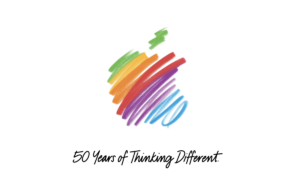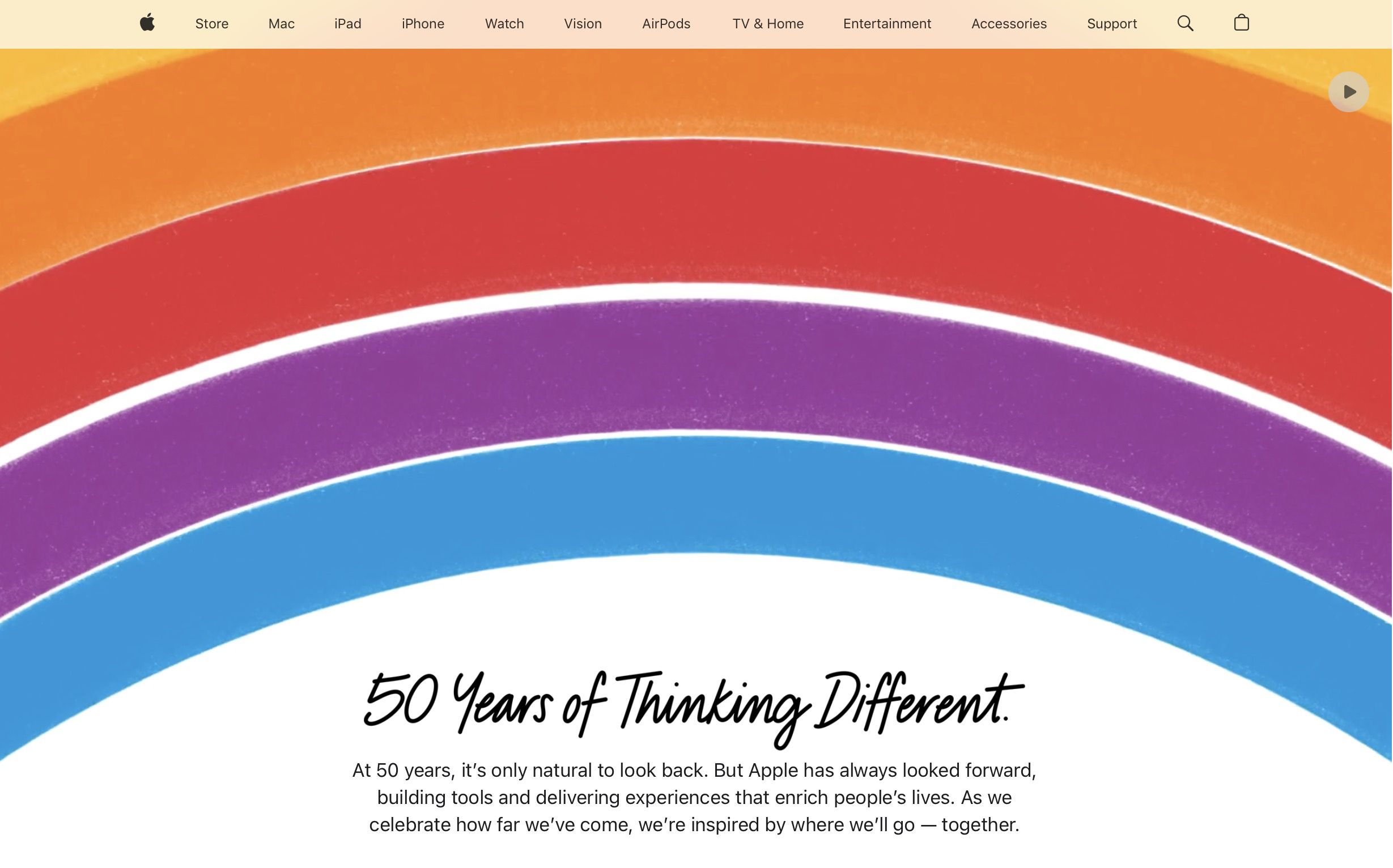
Apple, the maker of the iPhone, Mac, and AirPods, celebrates its 50th birthday today. The company is marking the occasion with a unique animated tribute on its homepage that highlights five decades of products that have transformed how billions of people interact with technology.
Founded on April 1, 1976, Apple didn’t start as a massive corporation. It began as a passion project between two Steves: Steve Jobs and Steve Wozniak, along with a lesser-known co-founder, Ronald Wayne. Their first product, the Apple I, was a bare circuit board — basically the components of a computer without any casing or keyboard. They sold it as a kit to hobbyists eager to build their own machines.
From a Garage to the Most Valuable Company on Earth
The Apple I went for $666.66 in 1976, which is about $3,600 today. It wasn’t a consumer product; buyers had to provide their own keyboard, power supply, and display. The primary audience? Members of the Homebrew Computer Club, a Bay Area group of tech enthusiasts who gathered to share ideas about personal computing when computers were still massive machines.
What set Apple apart from the start was Wozniak’s engineering skills and Jobs’s knack for design and marketing. The Apple II, released in 1977, became one of the first personal computers that came fully assembled and ready to use right out of the box. This shift from a hobbyist kit to a finished product laid the groundwork for everything Apple would create over the next fifty years.
The Moments That Defined the Company
Apple’s journey is marked by several products that didn’t just sell well — they reshaped entire industries:
The Macintosh (1984)
Apple brought the graphical user interface (GUI, pronounced “gooey”) to everyday consumers. It allowed users to click icons and open windows instead of typing commands, making computers accessible to those who didn’t want to learn coding.
The iMac (1998)
After Jobs returned to Apple in 1997, the company was on the brink of bankruptcy. The vibrant, all-in-one iMac became a symbol of Apple’s revival and established the design-first philosophy that still shapes the brand today.
The iPod and iTunes (2001)
Apple didn’t invent the MP3 player, but it created one that people actually wanted to use and combined it with a store that made buying music online easy. This move effectively disrupted the traditional music distribution model.
The iPhone (2007)
Jobs described it as “an iPod, a phone, and an internet communicator” all in one device. While smartphones existed before the iPhone, Apple’s version set the standard that every other manufacturer has strived to meet. Today, about 1.4 billion iPhones are in active use around the globe.
The App Store (2008)
Launching a curated marketplace for third-party apps transformed the iPhone from a great device into a platform and positioned Apple as a key player in the software industry.
The Anniversary Celebration
To celebrate this milestone, Apple updated its homepage with a special animated video showcasing its most iconic products over the past fifty years, as reported by MacRumors. This tribute offers a rare moment of reflection for a company that usually focuses on future innovations. CNET also released a montage video that traces Apple’s growth from hobbyist hardware to a global tech giant.
Stock markets seem to be celebrating too — AAPL shares climbed 2.90% today, trading at $253.79.
| Data Point | Detail |
|---|---|
| Founded | April 1, 1976 |
| Founders | Steve Jobs, Steve Wozniak, Ronald Wayne |
| First Product | Apple I — sold as a kit for $666.66 |
| Current CEO | Tim Cook |
| Headquarters | Cupertino, California |
| Stock Price (AAPL) | $253.79 (+2.90% on anniversary day) |
| iPhones in Active Use | ~1.4 billion worldwide |
| Ticker | AAPL (NASDAQ) |
What This Means
If you’re reading this on a smartphone, there’s about a 1-in-3 chance it’s an iPhone. Even if it’s not, the phone in your hand likely exists because Apple demonstrated that there was a mass market for pocket computers. Many design conventions we take for granted now, like touch screens, app stores, and wireless earbuds, either originated from or gained popularity through Apple products.
More importantly, Apple’s 50th anniversary reminds us how quickly this industry evolves. The company that began by selling circuit boards to hobbyists now manufactures the chips inside its computers, operates one of the world’s largest digital storefronts, and is delving into artificial intelligence (AI, software that mimics human thinking). The next fifty years of computing will probably look just as unfamiliar to us as the iPhone would have to someone in 1976.
As Tom’s Hardware points out, it’s surprising to think about how unlikely this journey was — a company rooted in hobbyist computing evolving into one of the most valuable businesses in history.
Community Reactions
“Hard to believe the same company that sold a bare circuit board to nerds in 1976 is now worth more than most countries’ GDP. Whatever you think of Apple today, that trajectory is insane.”
“The 1984 Mac ad, the ‘Think Different’ campaign, the iPhone reveal — Apple has had more iconic moments than almost any company ever. Happy birthday, I guess lol.”
What To Watch
- WWDC 2026 (expected June): Apple’s annual developer conference usually previews major software updates. Given this anniversary year, expect a bigger focus on Apple Intelligence (the brand’s name for its AI features) and what’s next for iOS and macOS.
- iPhone 18 cycle (expected fall 2026): Apple’s fall hardware event will introduce the first flagship iPhone of its 50th year. Rumors suggest ongoing AI feature expansion and possible hardware changes.
- Apple’s AI positioning: With competitors like Google and Microsoft ramping up their AI efforts, how Apple incorporates these features into its tightly controlled ecosystem will be a key storyline in the coming years.