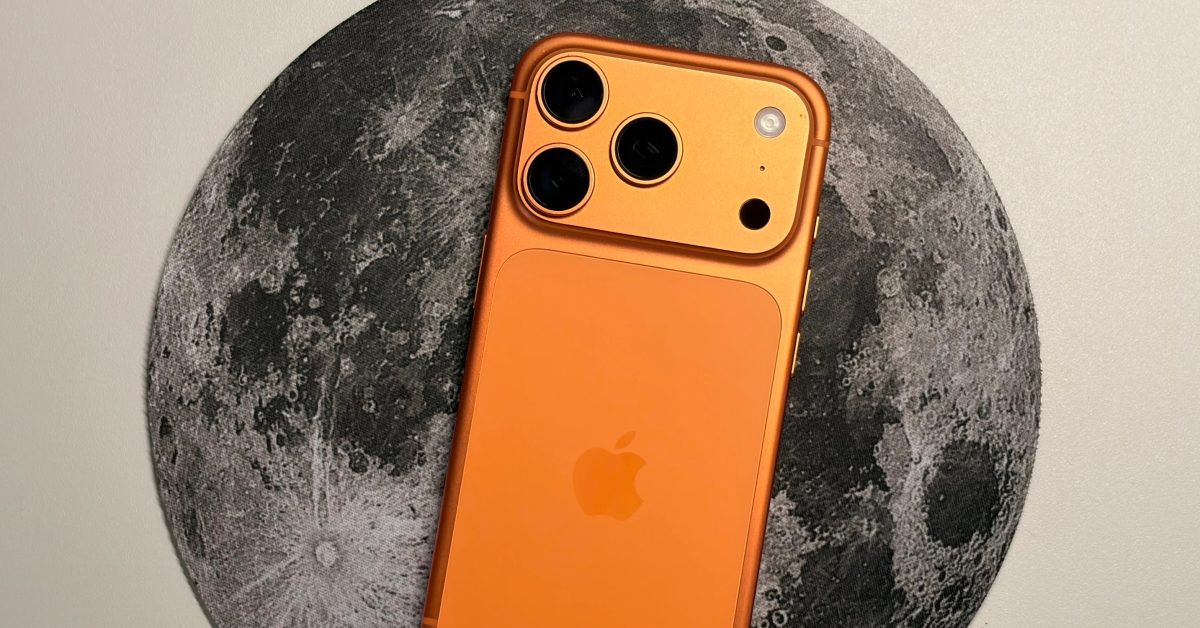
Apple’s iPhone 17 Pro introduces two hardware changes that reviewers say make a real difference in everyday use: a shift from titanium back to aluminum and a new vapor chamber cooling system that prevents the phone from overheating during demanding tasks.
What Actually Changed
The iPhone 16 Pro featured a titanium frame, which sounded luxurious but ended up being a fingerprint magnet and felt slippery. The iPhone 17 Pro replaces it with a new aluminum alloy that early reviewers find much easier to grip and far less prone to showing smudges.
The other upgrade is the vapor chamber, a cooling system taken from high-end Android devices. Picture it as a tiny radiator inside the phone — a sealed chamber filled with liquid that absorbs heat, evaporates, spreads out, and then condenses back into liquid to start the cycle again. This setup helps distribute heat from the A19 Pro chip (Apple’s latest processor) more evenly, avoiding hot spots.
Why Thermal Management Matters More Than You’d Think
Many iPhone users have experienced their phones heating up during long gaming sessions, extended video recording, or when using demanding AI features. When a phone gets too hot, it throttles itself. This means it intentionally slows down the processor to avoid damage, leading to stutters, lag, and dropped frames.
Apple’s vapor chamber aims to keep the A19 Pro running at full speed longer. According to 9to5Mac’s hands-on review, you’ll notice the difference while shooting ProRes video (a high-quality format used by filmmakers) or during sustained workloads that would have made the iPhone 16 Pro heat up significantly.
This is especially important with the increasing number of on-device AI features Apple is adding to iOS. These features require a lot of processing power, and a phone that throttles under load will struggle to deliver consistent AI performance.
The Materials Shift: Aluminum Over Titanium
Apple put a lot of marketing effort into positioning titanium as a luxury upgrade when it debuted in the iPhone 15 Pro. However, the actual reception was mixed. The material is very hard, which made it tough to machine with the same precision as aluminum, and many users found the finish wore differently than they expected.
Aluminum is easier to work with, feels lighter, and takes anodized color finishes (where color bonds directly to the metal surface) much better. Apple has used aluminum on its standard iPhone line for years, so it’s a well-understood material. The new alloy in the iPhone 17 Pro is said to be a higher-grade version than what’s found on the base models.
| Apple — Company Snapshot | |
|---|---|
| Ticker | AAPL |
| Stock Price | $246.92 (-0.76%) |
| CEO | Tim Cook |
| Headquarters | Cupertino, CA |
| Founded | 1976 |
| Sector | Big Tech |
What This Means
If you’re upgrading from an iPhone 15 Pro or an older model, you’ll likely notice the grip and thermal improvements right away — not the camera specs or chip benchmarks. A phone that stays cool longer delivers better performance during demanding tasks like gaming, video recording, and running background AI features.
For iPhone 16 Pro owners, the decision is a bit trickier. The aluminum frame and vapor chamber offer genuine quality-of-life improvements, but they might not make an annual upgrade worthwhile on their own. However, for those on a two- or three-year upgrade cycle, the iPhone 17 Pro stands out as one of the more significant hardware refreshes in recent times.
Apple has also confirmed that no iPhone using Lockdown Mode (an optional ultra-secure setting that blocks most external connections and complex web features for journalists, activists, and others at risk of targeted attacks) has ever been hacked by spyware, according to MacRumors. This solid security track record adds to the premium Apple charges across its iPhone lineup.
Community Reactions
“The titanium on my 16 Pro looked scratched up within two weeks. If aluminum holds up better, I’m genuinely happy to go back. I don’t care how ‘premium’ a material sounds if it looks rough in a month.”
“The vapor chamber is the real story here. Android flagships have had this for years, and the difference during long recording sessions is night and day. It’s about time Apple caught up.”
What To Watch
- Full reviews: Expect detailed thermal benchmarks and performance tests from major tech reviewers once the embargo lifts closer to the official launch date.
- Pricing: Apple hasn’t confirmed yet whether the material change impacts the iPhone 17 Pro’s starting price compared to the 16 Pro’s launch price.
- iOS AI features: Apple’s AI capabilities are expected to expand with the next major iOS update — the vapor chamber’s real test will be as those features roll out and stress the chip.
- Competitor response: Samsung and Google are likely to respond to Apple’s thermal improvements in their next flagship cycles, making cooling performance a key battleground in 2026.