Apple recently confirmed that no device using its Lockdown Mode security feature has ever been compromised by spyware. The announcement came on March 27, 2026, amidst growing concerns about iPhone security.
| Apple (AAPL) — By The Numbers | |
|---|---|
| Stock Price | $247.48 (-0.53%) |
| CEO | Tim Cook |
| Headquarters | Cupertino, CA |
| Founded | 1976 |
| Sector | Big Tech |
| Lockdown Mode Launch Year | 2022 |
What Is Lockdown Mode?
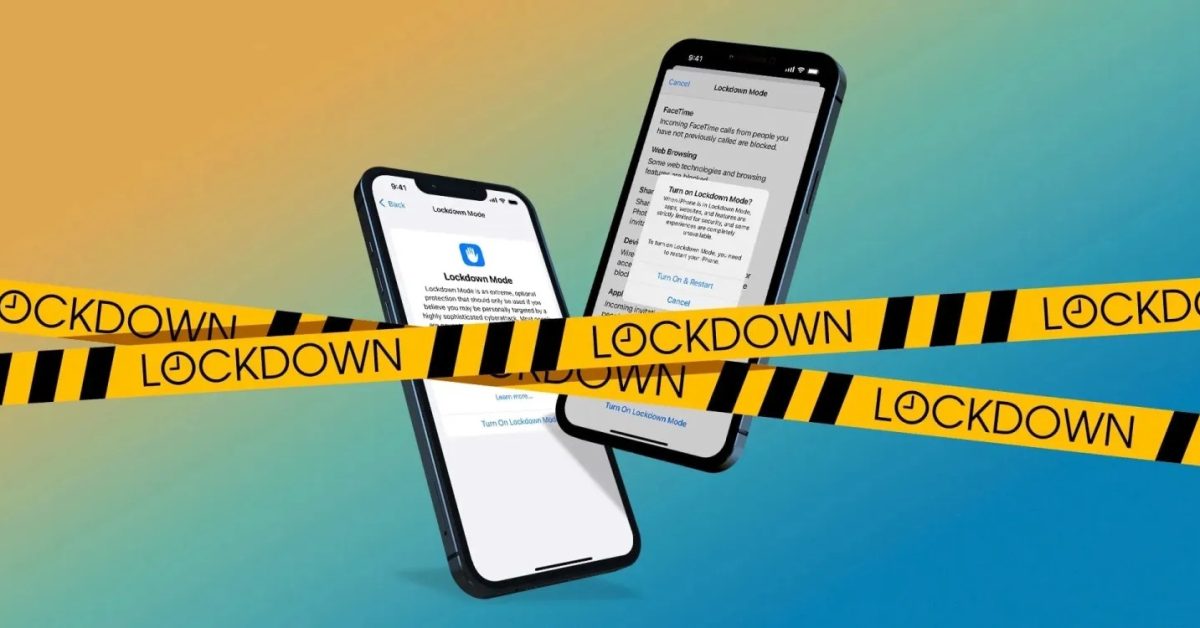
Lockdown Mode, which Apple launched in 2022 with iOS 16, is an optional security feature for iPhones, iPads, and Macs. You can think of it as a fortress for your device. When activated, it blocks most incoming message attachments, disables specific web browsing features, and restricts many connection types that hackers often exploit. This mode isn’t meant for everyday users; Apple designed it for journalists, activists, lawyers, politicians, and anyone else at risk of sophisticated government-grade spyware.
There’s a tradeoff, though. Some apps may not function properly, FaceTime calls from unknown numbers get blocked, and wired connections to computers are limited. But for those facing real threats from surveillance, that tradeoff is usually worth it.
Why Apple Is Saying This Now
Apple’s timing is strategic. Recently, security researchers revealed details about the “DarkSword” exploit, a hacking tool aimed at iPhones running older iOS versions. While Apple has already issued patches for these vulnerabilities, the news has put iPhone security in the spotlight.
By stating that Lockdown Mode has never failed against spyware, Apple sends a clear message: this feature works, and high-risk users should take advantage of it. This reassurance comes as reports of advanced hacking toolkits continue to circulate online, many designed specifically to target outdated mobile software. According to 9to5Mac, this claim has been valid since the feature’s launch in 2022.
What Spyware Are We Talking About?
Lockdown Mode primarily aims to combat commercial spyware—software sold by private companies to government and law enforcement agencies. The most infamous example is Pegasus, developed by the Israeli firm NSO Group. Spyware like Pegasus can infect a phone without the owner needing to click anything suspicious. It can read messages, activate the microphone and camera, and track location. These are known as “zero-click” attacks because they require zero interaction from the victim.
TechCrunch reports that Apple’s confirmation focuses on spyware attacks, which are aimed at high-profile individuals rather than everyday malware.
The Catch: It’s Not For Everyone
Apple has always emphasized that Lockdown Mode is for a select group of users. Their documentation describes it as a safeguard for those facing “serious, targeted threats to their digital security.” For most iPhone users, standard iOS security is typically more than enough, and enabling Lockdown Mode might just cause more issues without providing significant benefits.
Also, its effectiveness depends on user behavior. A device using Lockdown Mode but running an outdated iOS version could still be vulnerable. Apple consistently advises users to keep their software updated, use strong unique passcodes, and enable two-factor authentication (a second verification step beyond just a password).
Community Reactions
“I turned on Lockdown Mode after reading about Pegasus two years ago. Yes, some things are slightly annoying, but knowing no one has ever been hacked through it is genuinely reassuring.”
“Apple saying ‘no one has been hacked’ is a bit of a marketing spin. The real question is how many people actually use Lockdown Mode. It’s not like reporters and activists are a huge user base.”
What This Means
For most iPhone users, the takeaway is straightforward: you probably don’t need Lockdown Mode. Still, it’s reassuring to know it’s there and effective. If you’re a journalist dealing with sensitive topics, a political dissident, a human rights lawyer, or anyone else facing targeted surveillance, Apple just provided solid evidence that activating Lockdown Mode is worth the hassle.
More generally, this serves as a reminder that keeping your iPhone updated is the most crucial security measure for any regular user. The DarkSword exploit and similar threats primarily target devices with outdated software. Apple quickly patches these vulnerabilities, but those updates only protect you if you install them.
To activate Lockdown Mode, go to Settings, tap Privacy and Security, scroll to the bottom, and select Lockdown Mode. You’ll need to restart your device for the changes to take effect.
What To Watch
- Apple security updates: Keep an eye out for ongoing iOS patches throughout April 2026 as researchers continue to investigate the DarkSword exploit and related vulnerabilities.
- Spyware industry scrutiny: The recently leaked hacking toolkits are likely to attract more regulatory attention in both the EU and US. Legislative hearings on commercial spyware might be scheduled for Q2 2026.
- Lockdown Mode expansion: Since 2022, Apple has gradually refined Lockdown Mode, allowing some previously blocked functions to be restored on a per-app basis. Expect further tweaks with iOS 20 later this year.
- Independent verification: Security research groups like Citizen Lab, which have documented spyware attacks on Apple devices in the past, are expected to weigh in on Apple’s claims. Their independent analysis will be worth following.