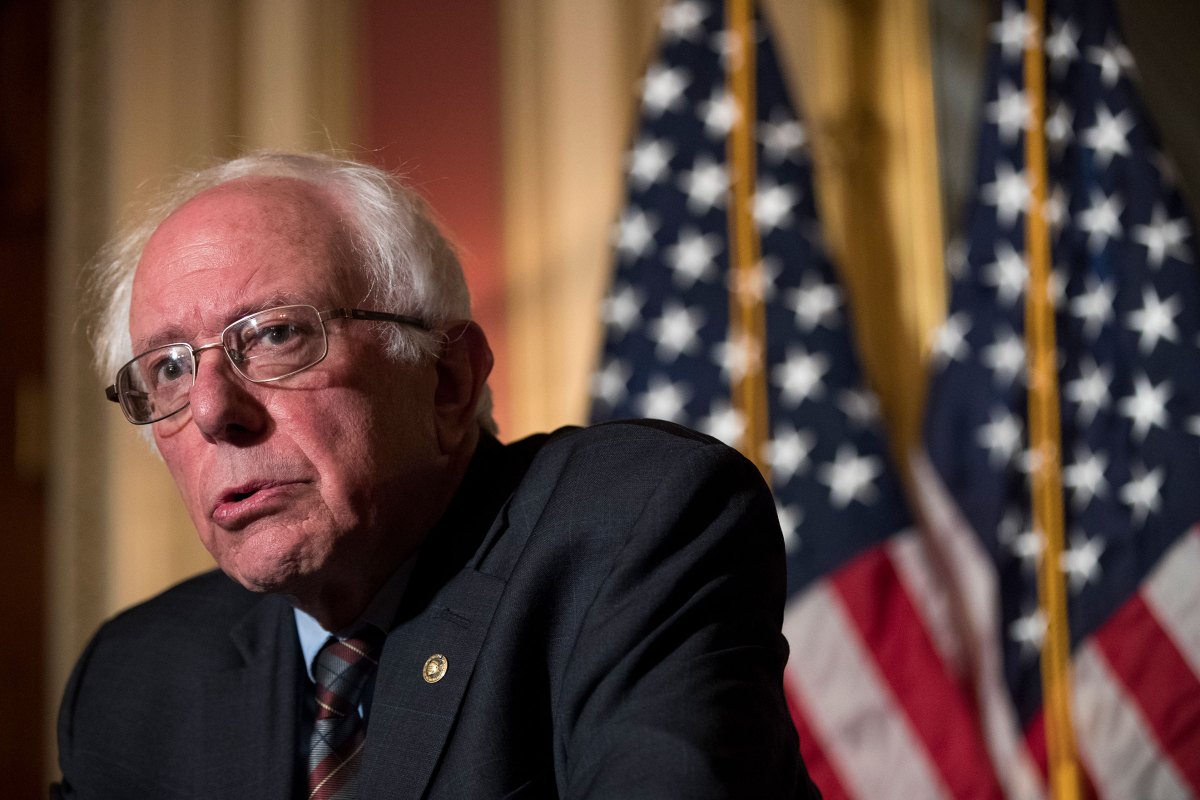
Senator Bernie Sanders and Representative Alexandria Ocasio-Cortez have proposed legislation to pause all new data center construction in the United States. This halt would stay in place until Congress establishes comprehensive regulations for artificial intelligence, according to TechCrunch.
The companion bills, introduced in both the Senate and the House, focus on the physical infrastructure behind AI tools like ChatGPT, Google Gemini, and Meta’s AI systems. Data centers are massive warehouses filled with servers that store data and perform the computations essential for AI models. Without data centers, AI expansion can’t happen.
Why Now?
The timing of this legislation is crucial. Tech companies are rapidly building AI infrastructure, a pace that lawmakers say has outstripped any regulatory framework. In the past two years, Microsoft, Google, Amazon, and Meta have each announced multi-billion dollar investments in data centers, often citing AI demand as a primary factor.
Sanders and AOC argue that without major AI regulations in place, allowing companies to expand infrastructure locks society into decisions it hasn’t officially agreed upon. It’s like building a highway without traffic laws, then trying to create those laws around the highway after it’s already built.
The proposed legislation also highlights concerns about energy consumption. Data centers that train and run large AI models consume vast amounts of electricity. Critics argue that the ongoing construction boom is putting pressure on power grids and driving up electricity costs for everyday households.
What the Bill Would Actually Do
This proposal would impose a moratorium (a temporary legal pause) on permits for new data center construction. Existing facilities would keep operating as usual. The freeze would remain until Congress passes AI-specific legislation addressing issues like safety standards, energy use, and corporate accountability.
There’s no set deadline in the bill, which means the construction pause could drag on for years if Congress takes its time, as it often does with tech issues. While the bill doesn’t broadly target cloud computing (like remote servers for storing photos, emails, and business files), the overlap with AI infrastructure means the practical effects could be extensive.
Who Opposes It
Tech industry groups have already started to push back. Companies and their lobbyists argue that slowing infrastructure development gives an advantage to China, which is building data centers at a similar pace without restrictions. Since the launch of ChatGPT in late 2022, this AI arms race narrative has been a key talking point for the industry.
The bill also comes at a complicated political time. The current administration has generally leaned toward deregulating AI. Recently, the Federal Communications Commission moved to ban the sale of new foreign-made routers in the U.S. on national security grounds. This signals that infrastructure and tech supply chains are already sensitive political issues. A construction moratorium would directly contradict that deregulatory trend.
| By The Numbers: AI Data Center Buildout | |
|---|---|
| Microsoft planned data center investment (2025) | $80 billion |
| Google planned data center investment (2025) | $75 billion |
| Share of US electricity used by data centers (2023) | ~4% |
| Projected share by 2030 (Goldman Sachs estimate) | ~8% |
| Number of major AI regulation bills passed by Congress to date | 0 |
What This Means
For most people, this bill won’t change how you use AI tools today. Your ChatGPT subscription, Google searches, and Netflix recommendations will stay the same if the bill passes. However, the pace at which those services can grow and improve might slow down.
If new construction stops, AI companies will hit a hard ceiling on how much computing power they can add. This could lead to slower development of new AI models, limits on how many users services can support simultaneously, and potentially higher subscription prices in the future.
On the flip side, people living near proposed data center sites, especially in rural areas where cheap land and power attract developers, would see direct impacts. Data center construction has been linked to higher electricity bills and increased water usage in several communities across Virginia, Texas, and the Pacific Northwest.
What People Are Saying
“Honestly I’m shocked this proposal exists. Politicians usually just let tech companies do whatever until it’s already a disaster. Whether it passes or not, at least someone is trying to pump the brakes before we just sleepwalk into full AGI infrastructure.”
— u/threadbare_logic, Reddit r/technology
“This is going to go nowhere. Tech lobbying money is too strong and both parties have too many members who want those data center jobs in their districts. Good messaging though.”
— YouTube comment on TechCrunch’s coverage, @digital_realist_88
What To Watch
- Committee referral: Keep an eye on which Senate and House committees receive the bills. Energy, Commerce, and Judiciary all have overlapping jurisdiction. Where the bill lands will indicate how seriously leadership takes it.
- Industry response: Major tech companies haven’t issued formal statements yet. Expect coordinated pushback soon, likely focusing on jobs and national competitiveness.
- State-level action: Even if the federal bill stalls, it might inspire state legislatures, especially those already discussing AI regulations, to pursue similar construction moratoriums independently.
- Broader AI regulation timeline: The EU AI Act is already effective in Europe. If Congress stays gridlocked on AI regulations, the moratorium trigger condition might not be met, turning the bill into a long-term pressure tactic rather than a temporary pause.