
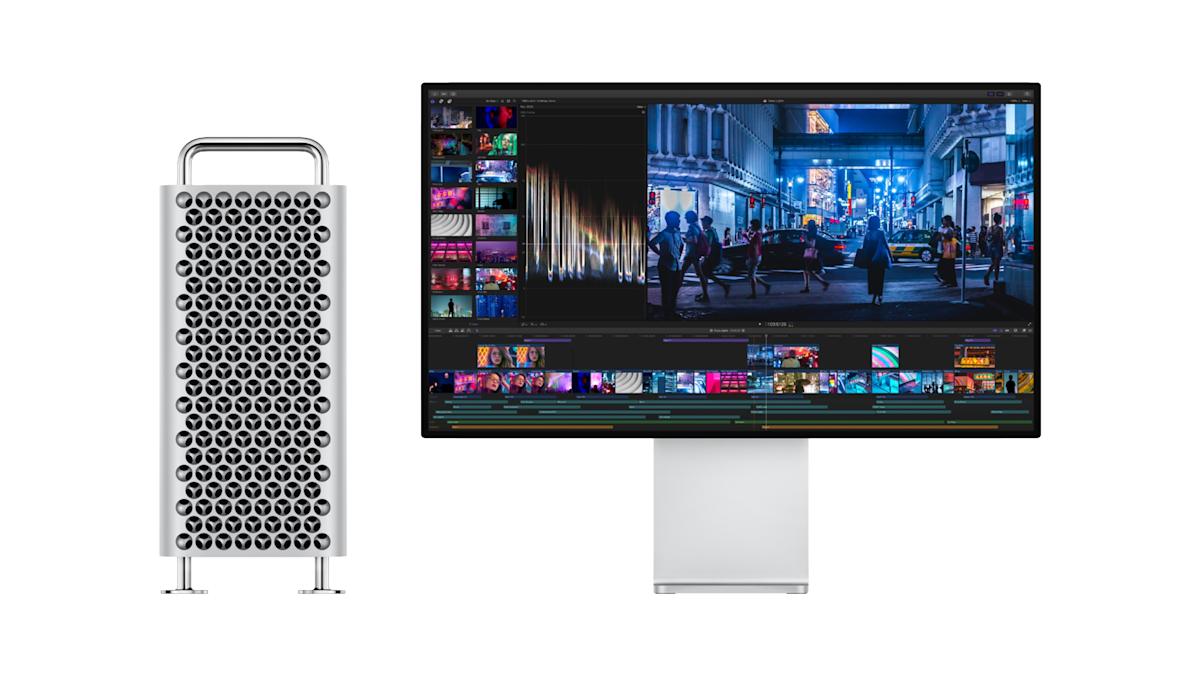
Apple has officially discontinued the Mac Pro, its flagship tower desktop computer, and confirmed to 9to5Mac that it won’t build a replacement. The machine is being removed from Apple’s website, marking the end of a product line that’s been around for decades. It was once the go-to workhorse for video editors, music producers, and creative professionals.
| CEO | Tim Cook |
|---|---|
| Ticker | AAPL |
| Stock Price | $252.89 (+0.11%) |
| Founded | 1976 |
| Headquarters | Cupertino, CA |
| Last Mac Pro Update | 2023 (M2 Ultra chip) |
| Mac Pro Starting Price (at discontinuation) | $6,999 |
What Happened
Apple broke the news directly to 9to5Mac, which is unusual for a company that typically lets products fade away quietly. The last update for the Mac Pro came in 2023 when Apple introduced the M2 Ultra chip. This chip combined two M2 Max chips, making it the most powerful in-house processor at that time. Many saw that update as a modest refresh rather than a full redesign, but it now appears to be the machine’s final chapter.
The Mac Pro was a modular tower, allowing users to open it up and swap out components like RAM or add expansion cards. This was similar to how custom PCs operate. That kind of upgradability was rare in Apple’s lineup and made it the preferred choice for professionals needing raw computing power for tasks like rendering 3D animation, editing 8K video, or handling complex audio production setups.
Apple is also discontinuing the well-known $700 wheels kit. This optional add-on allowed users to roll the Mac Pro around their workspace and became a bit of a cultural punchline regarding premium Apple pricing.
Why Apple Is Walking Away
The main reason is that the market for a $6,999-and-up desktop tower has shrunk significantly. Apple’s own Mac Studio, starting at $1,999, now offers performance close to what the Mac Pro delivered. Plus, it comes in a much smaller package that sits neatly on your desk. For most professionals, the Studio is enough to make spending three to four times more on a Mac Pro hard to justify.
The bigger picture involves Apple’s shift from Intel processors to its own Apple Silicon chips, which began in 2020. This transition has given Apple better control over performance and efficiency, but it also changed what “expandable” means. Apple Silicon designs integrate the processor, memory, and other components into a single chip package. This setup is fantastic for speed and battery life but limits the deep hardware customization that Mac Pro users once valued.
What This Means
For most people, this change means nothing. The Mac Pro always targeted a niche market of professionals with specific and demanding workloads. If you’re a typical Mac user with a MacBook Air or iMac, your experience won’t change.
However, for studios, post-production houses, and power users who bought Mac Pro towers for their expansion slots and upgrade potential, this is a significant loss. There’s no direct Apple-made replacement. The Mac Studio is the closest alternative, but it doesn’t provide the same PCIe expansion slots. Those slots allow users to plug in specialized hardware cards for video capture or audio interfaces.
Existing Mac Pro owners will still get software updates and support for years. Apple usually supports discontinued hardware for a long time. But if you’re looking to buy a new Apple tower workstation today, you’re out of luck.
Community Reaction
“The Mac Pro was the last Mac you could actually expand and customize. The Mac Studio is great but it’s not the same thing. Pro users have been slowly losing options for years.”
“Honestly saw this coming after the M2 update. That felt like a clearance refresh, not a commitment to the product line. RIP to the cheese grater.”
(“Cheese grater” is a nickname fans gave the Mac Pro due to its distinctive perforated aluminum design introduced in 2019.)
What To Watch
- Mac Studio updates: With the Mac Pro gone, Apple might push the Mac Studio up the performance ladder. Look for an M4 Ultra version of the Mac Studio to take on some of the workloads previously handled by the Mac Pro.
- Third-party solutions: Professional users who need PCIe expansion may increasingly seek external GPU enclosures or Thunderbolt expansion boxes connected to a Mac Studio. Expect accessory makers to aggressively market these configurations.
- Apple’s pro strategy: Apple often announces professional hardware updates at WWDC, its annual developer conference held in June. If Apple plans to respond to pro user backlash, this event would be a logical place.
- Remaining stock: Refurbished Mac Pro units will likely show up in Apple’s refurbished store at reduced prices as the company clears out remaining inventory. If you’re in the market, that may be your last chance for a better price.