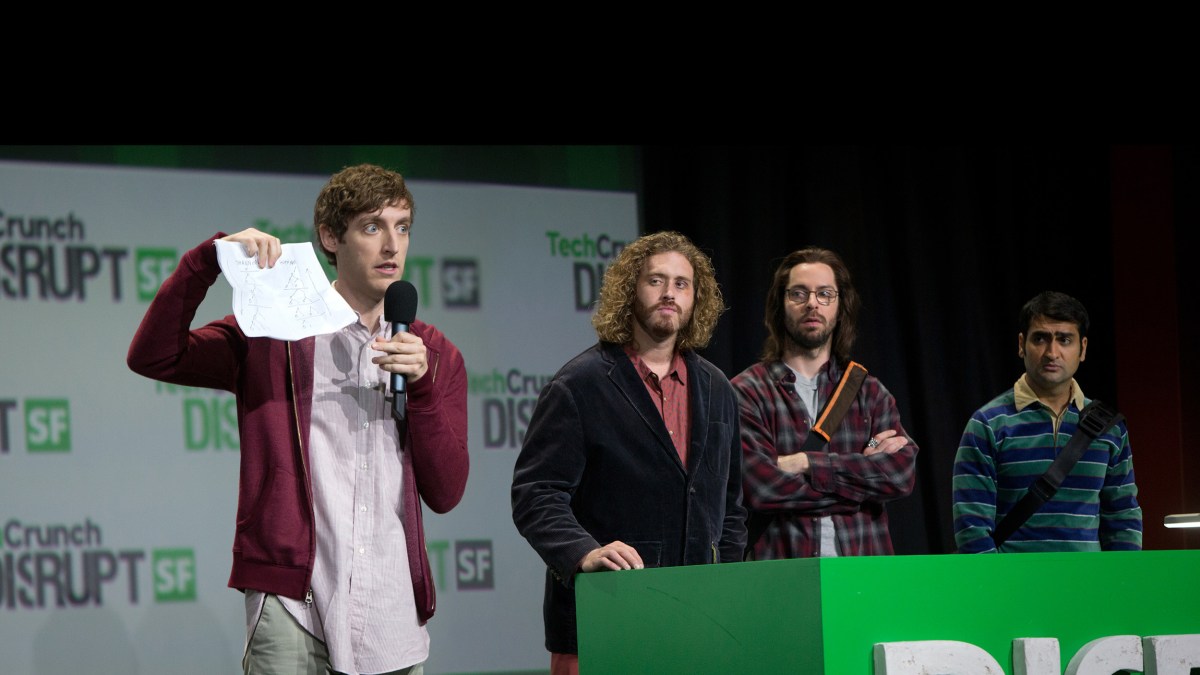
Google just introduced TurboQuant, a new algorithm that can compress AI memory by up to 6x and speed up memory access by 8x. Naturally, the internet has jumped on this, drawing comparisons to the fictional compression startup from HBO’s Silicon Valley.
But the real implications go beyond just memes. According to VentureBeat, TurboQuant could slash the costs of running large AI models by 50% or more. It’s still in the lab research phase, but the potential is already making waves in the industry.
What Is TurboQuant?
To grasp its significance, you need to know about the KV cache. When an AI model like ChatGPT or Google Gemini processes a long document or has a lengthy conversation, it stores all that context in memory. Think of it as a notepad that the AI keeps updating as it reads. This notepad is the KV cache (which stands for Key-Value cache), and it can get pricey quickly.
As AI models expand their “context windows” — the amount of text they can read and remember at once — the KV cache becomes a major bottleneck. More context means more memory, leading to more expensive hardware and higher operating costs for companies running these models.
TurboQuant acts as a compression algorithm, allowing for a more efficient way to pack that notepad without losing crucial information. Google claims it can reduce KV cache memory usage by up to 6x while keeping output quality intact, something other compression methods often struggle with.
The Pied Piper Comparisons Are Everywhere
If you’re a fan of HBO’s Silicon Valley, you’ll catch the joke right away. The show revolves around a fictional startup named Pied Piper that developed a revolutionary compression algorithm. It could compress any file to a tiny size without losing quality. Sound familiar?
The internet has caught on, and reactions have been quick.
“Google literally just built Pied Piper and called it TurboQuant. Richard Hendricks was ahead of his time.” — u/throwaway_mleng on r/MachineLearning
“Okay, but if this actually cuts inference costs by 50%, that’s massive. Pied Piper jokes aside, this is the kind of unglamorous infrastructure work that actually moves the needle.” — YouTube comment on Ars Technica’s coverage, username @ByteDepth
So far, Google’s researchers haven’t publicly acknowledged these comparisons.
Why the Numbers Matter
| By The Numbers: Google / TurboQuant | |
|---|---|
| Memory compression ratio | Up to 6x |
| Memory access speed improvement | Up to 8x faster |
| Estimated cost reduction | 50% or more |
| Output quality impact | No degradation (per Google) |
| Current status | Lab / research stage |
| Company (Alphabet/Google) stock | $290.93 (+0.17%, GOOGL) |
| Google CEO | Sundar Pichai |
A 6x reduction in memory usage isn’t just a minor tweak. Today’s advanced AI models need racks of expensive GPU hardware, partly due to how much memory the KV cache consumes. If TurboQuant’s benefits hold up outside the lab, AI providers could run the same models on fewer servers or run larger models on the hardware they already have.
The 8x speed improvement is another major plus. Faster memory access means the model waits less for data, leading to quicker responses for users. Ars Technica highlights that Google claims there’s no loss in output quality, which has been a hurdle for previous compression efforts.
What This Means for Everyday Users
Most people won’t directly interact with a KV cache, but they’ll notice the effects if TurboQuant makes it into real products.
First, let’s talk about cost. Running AI services is expensive, and companies usually pass those costs on to users. A 50% drop in infrastructure costs could allow companies to lower prices, offer better free tiers, or invest in improved models. Google, OpenAI, and Anthropic all spend huge amounts on the compute powering their chatbots — any significant reduction counts.
Next, consider capability. Cheaper memory means AI models could manage longer conversations, bigger documents, and more complex tasks without hitting hardware limits. If you’ve had an AI “forget” something from earlier in a long chat, that’s the context window running low. Better compression could push that limit significantly higher.
Finally, think about speed. With memory access being 8x faster, responses could come noticeably quicker. That’s the difference between an AI that feels snappy and one that seems to be thinking way too hard.
The Catch: It’s Still in the Lab
TechCrunch makes it clear: TurboQuant is a research result, not a product ready for market. There’s still a long way to go from a promising algorithm to a reliable technique that works across various model architectures, hardware setups, and real-world workloads. Google hasn’t shared a timeline for integrating TurboQuant into Gemini or any other product yet.
Still, Google has a strong incentive to act fast. They operate one of the world’s largest AI inference operations, and any efficiency gain at that scale can translate to billions in savings.
What To Watch
- Google I/O 2026 is the most likely place for any product announcements. If TurboQuant is moving toward deployment, expect Google to mention it there.
- Keep an eye out for independent researchers trying to replicate or benchmark TurboQuant’s claimed gains. The AI research community moves quickly, and scrutiny of the 6x and 8x figures will come soon.
- Competitors like Meta, Microsoft, and Anthropic will be paying close attention. If this technique proves effective, similar methods could pop up across the industry within months.
- Watch Google’s cloud pricing for AI inference services. If TurboQuant rolls out, cost reductions in Google Cloud’s AI offerings would signal it’s working in production.
Sources: TechCrunch | VentureBeat | Ars Technica