

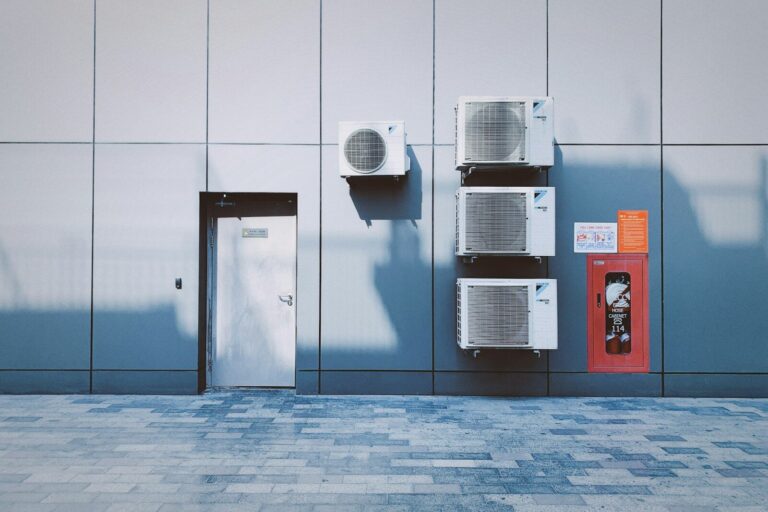

Your HVAC system — Heating, Ventilation, and Air Conditioning — is the most complex and expensive mechanical system in your home. It quietly maintains your comfort every day, and most homeowners pay it little attention until something goes wrong. Here is a practical guide to understanding, maintaining, and making smart decisions about your HVAC system.
- Know what your system includes
- A typical residential HVAC system consists of a furnace or heat pump for heating, a central air conditioner or heat pump for cooling, an air handler or blower to circulate conditioned air, ductwork to distribute that air throughout the home, and a thermostat to control it all. Each component has its own maintenance needs and typical lifespan.
- Change your air filter regularly
- The single most impactful maintenance action a homeowner can take is changing the air filter on a consistent schedule. A clean filter maintains airflow, protects internal components from dust and debris, and keeps indoor air quality high. Check your filter monthly and replace it when it is dirty — typically every one to three months.
- Schedule annual professional maintenance
- A certified HVAC professional should inspect and tune up your system at least once a year — ideally twice, with one visit for the heating system in fall and one for the cooling system in spring. Professional maintenance catches emerging problems before they become failures and keeps the system operating at peak efficiency.
- Understand your ductwork
- Leaky ducts are one of the most common sources of HVAC inefficiency. Gaps, holes, and poorly sealed connections can allow conditioned air to escape into unconditioned spaces, wasting energy and reducing comfort. If some rooms in your home are consistently harder to heat or cool, duct leakage may be a contributing factor worth investigating.
- Use a smart thermostat
- Upgrading to a smart thermostat is one of the most cost-effective HVAC investments available to homeowners. Smart thermostats learn your schedule, allow remote control via smartphone, and optimize system operation for efficiency. Many utility companies offer rebates for smart thermostat installation.
- Pay attention to unusual sounds or smells
- Changes in how your system sounds or any unusual smells — particularly a burning odor or the smell of gas near a gas furnace — should be investigated promptly. These are often early warning signs of problems that are far less expensive to address before they become major failures.
- Know when to repair vs. replace
- The general guideline is to multiply the age of the equipment by the cost of the repair. If the result exceeds $5,000, replacement deserves serious consideration. Also consider efficiency gains: modern HVAC equipment is significantly more efficient than systems installed ten or fifteen years ago, which means lower operating costs that contribute to the payback on a replacement investment.
- Explore indoor air quality options
- Modern HVAC systems can be equipped with air purifiers, UV germicidal lights, whole-home humidifiers, dehumidifiers, and energy recovery ventilators that significantly improve indoor air quality. If anyone in your household has allergies, asthma, or other respiratory conditions, these add-ons are worth discussing with your HVAC professional.
Your HVAC system rewards attention and regular maintenance. A well-maintained system lasts longer, uses less energy, and is far less likely to fail at the worst possible moment. Treat it as the critical home system it is.

0 Comments