


Metal roofing has moved decisively from the realm of agricultural buildings and commercial facilities into the mainstream of residential construction, and the reasons are straightforward. Among all roofing systems available to homeowners today, metal offers an unmatched combination of longevity, weather resistance, energy efficiency, and low maintenance requirements. For homeowners who think carefully about long-term value rather than just upfront cost, metal roofing consistently presents one of the most compelling cases.
The longevity argument alone is compelling. Standard asphalt shingle roofs in most climates carry a realistic lifespan of twenty to thirty years, depending on quality and weather exposure. A properly installed metal roof — whether steel, aluminum, copper, or zinc — can last forty to seventy years or more. Copper and zinc roofs in favorable conditions can outlast their owners by generations. For a homeowner who plans to own their home for the long term, replacing a roof once rather than twice or three times over that span represents enormous savings when calculated honestly.
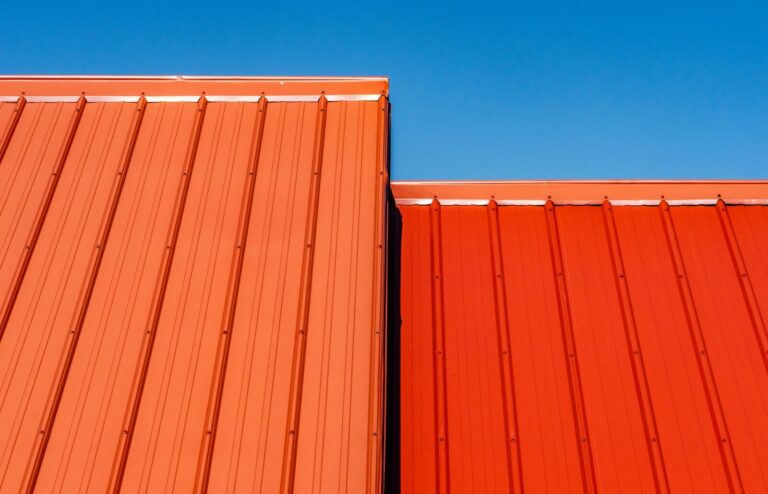
Metal roofing is available in a wider variety of profiles and aesthetics than many homeowners realize. Standing seam panels, with their distinctive raised seams running vertically from ridge to eave, project a clean, architectural quality that suits contemporary and modern farmhouse styles particularly well. Metal shingles are engineered to mimic the appearance of asphalt, slate, or wood shakes — allowing homeowners to achieve a traditional look with metal’s performance characteristics. Metal tile profiles work beautifully on Mediterranean-style homes. The color palette available through high-quality painted metal systems is extensive.
Working with a metal roofing specialist is essential to getting a quality installation. Metal roofing installation is a fundamentally different discipline from asphalt shingle work. The physics of thermal expansion and contraction — metal expands and contracts with temperature changes far more than asphalt — must be accommodated in the fastening and seaming system. Standing seam systems use concealed clip-based fasteners specifically engineered to allow panels to move independently as temperatures fluctuate, preventing the oil-canning, fastener pull-through, and panel distortion that result from improper attachment.
Energy efficiency is a measurable advantage of metal roofing that translates directly into lower utility bills. Metal surfaces reflect solar radiation rather than absorbing it, reducing heat transfer into the attic and consequently reducing cooling loads. The Department of Energy has documented energy savings of ten to twenty-five percent for homes with reflective metal roofing compared to dark asphalt shingles. Cool roof coatings applied to metal roofing can further enhance this reflectivity. Many metal roofing products carry Energy Star certification.
Weather resistance is another domain where metal excels. Properly installed metal roofing can withstand sustained winds of 100 to 140 miles per hour depending on the product and fastening system — important in hurricane and high-wind regions. Impact resistance ratings for metal shingles can reach the Class 4 designation — the highest available — making them highly resistant to hail damage and potentially qualifying homeowners for meaningful insurance premium discounts in hail-prone regions. Metal is also Class A fire rated, providing the highest available resistance to fire originating outside the building.
The acoustic concern about metal roofing — the notion that rain on a metal roof creates disruptive noise — is largely a myth when the roof is properly installed with adequate attic insulation and appropriate underlayment. In a home with a standard insulated attic, the sound difference between rain on a metal roof and rain on an asphalt roof is minimal. Many homeowners actually find the sound of rain on a metal roof pleasant and soothing rather than disruptive.
Sustainability is a consideration that increasingly influences material choices. Metal roofing products typically contain a significant percentage of recycled content, and metal roofing is itself fully recyclable at the end of its service life. Unlike asphalt shingles, which generate millions of tons of roofing waste annually in landfills, a metal roof that has reached the end of its life has real scrap value and will be recycled rather than discarded.
The upfront cost of metal roofing is higher than asphalt — typically two to four times more, depending on the specific product and the complexity of the installation. This is a real consideration, and for homeowners with a short time horizon or a constrained budget, it may be decisive. But for those who run the numbers over the long term — accounting for the extended replacement interval, lower maintenance costs, energy savings, and potential insurance savings — metal roofing frequently emerges as the more economical choice on a cost-per-year basis.
If you are seriously considering metal roofing, take the time to visit an installed example in your climate and neighborhood, talk to homeowners who have lived with a metal roof through multiple seasons, and consult with a contractor who specializes in metal roofing systems. The decision deserves careful consideration, and the right choice, made well and installed by skilled professionals, will be protecting your home long after you have forgotten you ever thought about your roof.

0 Comments