Stephanie Sparks was an innovative golfer who excelled not only on the course but was also charismatic and warm on television. From her All-American days at Duke University to hosting one of Golf Channel’s most-watched reality shows, Big Break, she won the hearts of golf fans worldwide. Her career was not a smooth one, though—injuries cut short her playing years—but the same set of virtues of resilience and flexibility served her just as well in front of the camera lens.
Even after facing initial setbacks in golf, Sparks turned those reverse into powerful motivators, shifting gears to sports media with ease and professionalism. She quickly became a fan favorite due to her genuine love for golf and her ability to connect with both players and viewers. Though her life ended tragically in 2024, her story continues to inspire young athletes, especially women in sports. In this article, we’ll explore the life, legacy, and impact of Stephanie Sparks, a true symbol of perseverance and passion in the golfing world.
Quick Bio
| Name: | Mary Stephanie Sparks |
| Birthday: | July 18, 1973 – April 13, 2024 |
| Age | 50 |
| Birth Location | Wheeling, West Virginia, USA |
| Ethnicity | Caucasian |
| Nationality | American |
| Religion | Christianity |
| Zodiac sign | Cancer |
| Occupation: | Professional Golfer, Television Host |
| N/A |
Who Is Stephanie Sparks?
Stephanie Sparks was an American professional golfer and television host who gained fame for her work as co-host on the Golf Channel’s Big Break. She was born on 18th July 1973 in Wheeling, West Virginia. As a child, Stephanie was a great sportswoman. Her early victories on the golf field attracted national scouts and media coverage, which made her a rising star in sports. Sparks became an All-American at Duke University in a short space of time, with the quality of her talent being augmented by her determination and leadership ability.
Having retired from professional golf prematurely due to injury, she made a seamless transition and became a sports announcer. Her knowledge, familiarity, and experience as a player served to make her a natural in front of the camera. Sparks achieved widespread popularity for bringing both heart and professionalism to Golf Channel programming. Whether she was analyzing the play of competitors or helping Big Break contestants, she never lost her enthusiasm for golf and created lasting impressions on onlookers and the golfing world in general.
Early Life
Stephanie Sparks grew up in Wheeling, that town in the West Virginia hills, where sports generally, and golf specifically, became part of her life early on. She was a competitive child and curious about the world of sport as a child. She attended Wheeling Park High School, where she quickly emerged as one of the top junior golfers in the state. She dominated—she won the West Virginia Women’s Amateur Championship in 1991 and competed with boys’ teams because girls’ programs didn’t exist, which toughened her game even more.
Her success persisted at Duke University where she competed on the women’s golf team and was an All-American as a freshman. Despite her college career having tremendous promise, a crippling wrist injury led her to step away from competition before graduating in 1996. Even this nasty setback could not lead Sparks to lose the love for the game or steer her away from her dream to play professional golf. Her strength under adversity would later become the signature of her new life in golf.
Career Beginnings
Sparks graduated from Duke and then entered the Futures Tour in 1996, hoping to make progress toward a full-time career on the LPGA Tour. Her perseverance in the midst of injury and stiff competition coalesced in 1999, as she struggled her way into winning her LPGA Tour card in a playoff at Q-School. Her victory was an emotional one and symbolized years of hard work and determination. Eventually, chronic back pain arose soon after her win, and her career as a professional golfer was brought to an abrupt end, lasting only to the 2000 season.
Facing the premature conclusion to her professional golfing career much earlier than she had hoped, Sparks made the unexpected move by transitioning to television. She started humbly as a production assistant for Golf Channel, behind the scenes becoming a master of the technicalities of television. She appeared on screen for the first time in 2004 when she portrayed golf legend Alexa Stirling in the film Bobby Jones: Stroke of Genius. This earned her sufficient confidence to remain on camera for good, ultimately becoming a co-host on Big Break.
What Happened to Stephanie Sparks?
Stephanie Sparks passed away on April 13, 2024, at the age of 50 in Orlando, Florida. The cause of her death is still not publicized, but her untimely passing shocked and saddened the golfing and sports television broadcasting worlds. Her industry peers and supporters deeply mourned and looked back warmly upon her friendly demeanor, gentle heart, and unwavering professionalism.
Her co-host on Big Break, Tom Abbott, once praised Sparks in public for her understanding of the contestants, stating, “She knew what it was like for the contestants, and she wanted them to succeed.” Her sympathy for the emotional nature of the game guided the attitude of the show, making it more than a competition—rather, it was a sanctuary of encouragement and inspiration. Sparks’s death is a significant loss to those who admired her courage, humor, and tireless work in promoting the game of golf.
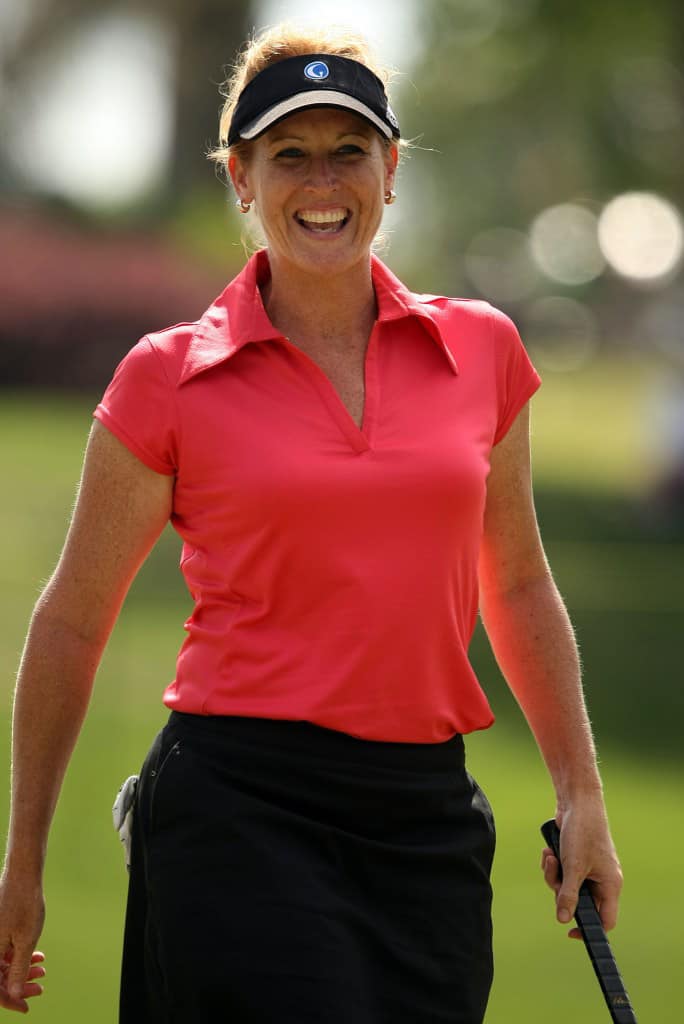
Stephanie Sparks’s Physical Appearance
Stephanie Sparks was the domineering one, on television and in person. She was around 5 feet 8 inches tall with a lean body, the product of years of rigorous training and competition. Her blonde hair, sparkling smile, and gorgeous blue eyes made her instantly recognizable. Her look was intelligent but unpretentious, a testament to her nature—warm, friendly, and earthy.
She would often dress business but sporty, whether hosting from the golf course or a studio look. Her style reflected her public image—elegant but not showy, firm but not controlling. Sparks’s physical appearance was never the prime focus of her allure; it was her sincerity, intelligence, and appeal that drew individuals into her.
Net Worth
While exact figures have not been made public, estimates place Stephanie Sparks’s net worth anywhere from $1 million to $2 million. Her incomes included a mix of professional golfing awards, TV hosting contracts, and her role in the 2004 film Bobby Jones: Stroke of Genius. Her time on Big Break and other Golf Channel programs likely generated consistent income as well as access to opportunities for sponsorships and endorsements.
Sparks also took time to engage in altruistic pursuits, making donations to local hospices and breast cancer charities. Although not renowned for having riches or making splashy deals, she maintained a stable financial life through hard work and integrity. Her professionalism was built on honesty and integrity in everything she did—on the course, on TV, and in life.
Social Media
In contrast to most celebrities, Stephanie has steered clear of a celebrity status on social media. No celebrity-like extremely famous Twitter or Instagram account can be traced directly to her public profile. Her approach to fame was down-to-earth-she preferred to let her work speak for itself. When virtual presence eclipses person-to-person contact, Sparks has been someone who prioritized special relationships and real-life interaction over follow counts.
That aside, she has been memorialized by social media posts from her former colleagues, fans, and golfing organizations. Hashtags #RememberStephanieSparks and #GolfChannelTribute were trending on social media sites such as Twitter and Instagram after her passing. Her brief online existence testifies to her impact of being pragmatic and prioritizing quality over quantity in issues of relationship as well as profession.
Legacy
Stephanie Sparks left an enduring legacy in golf, as player and broadcaster and inspiration. Her transition from successful sports person to popular TV personality was a testament to her courage and resilience. She broke the path for women sports broadcasters to demonstrate that retired sports stars belonged to media without gimmick or hype. Her down-to-earth intelligent remarks brought golf to the average viewer.
She also used her platform to promote young women athletes, work in favor of sportsmanship, and take part in community and charitable work. The story of Sparks remains an inspiration to anyone who has faced surprise adversity in life. Her ability to utilize adversity as a springboard to opportunities places her as an enduring inspiration for athletes, broadcasters, and fans.