


The tug-of-war between physical and virtual play is quietly ending, making way for something better: hybrid experiences that stitch together real-world presence, live social interaction, and digital systems. For players, that means games that don’t ask you to choose a lane — they let you bring your whole life with you, sometimes literally.
Why Hybrid Matters Now
Hardware and networks finally caught up. Cloud streaming and faster mobile data let big, rich worlds exist on tiny devices. Augmented reality (AR) and persistent servers let friends meet in shared spaces that feel anchored to places we actually know. Add a sprinkle of live events — tournaments, pop-ups, companion apps — and you get something players recognize immediately: more ways to belong, compete, and show off.
But it’s not only tech. Player expectations changed. People want experiences that reward both skill and presence; that mix a tense online match with the thrill of meeting strangers face-to-face; that let your in-game achievements ripple into real-world moments. That blending shifts games from isolated systems into social ecosystems. Players increasingly favour experiences with a human touch. For example, Live casino platforms combine real dealers with digital interfaces, merging authenticity and convenience in a way static apps can’t match.
What Hybrid Looks Like in Practice
- A mobile game that syncs with a weekend in-person tournament, where your phone unlocks bonus content when you scan a venue QR code.
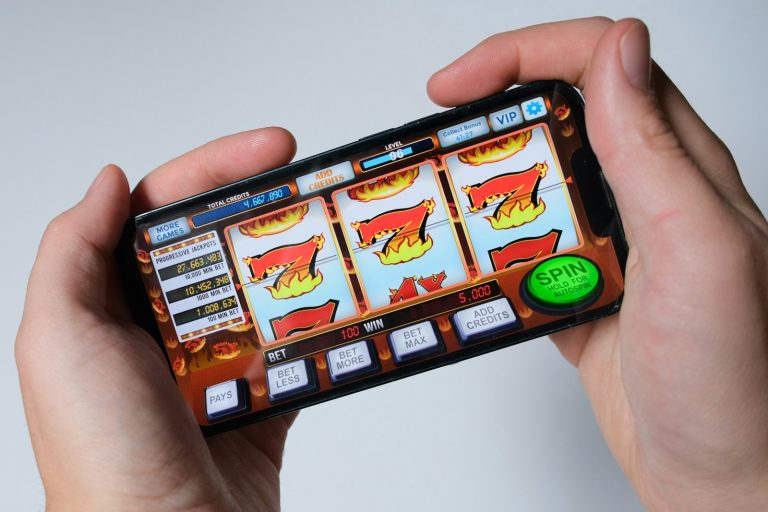
- A casino-style game that layers skill challenges and live-host interaction on top of traditional chance mechanics.
- An AR scavenger hunt that runs across a city, with leaderboards updated in real time and community-made challenges.
These aren’t futuristic guesses. Developers are already experimenting with hybrid formats to reach wider audiences and increase retention. Players who might never log long console sessions still show up for short, social, location-based interactions — and then stay for the deeper systems.
The Design Trade-Offs
Hybrid design is tempting, but messy. It asks teams to juggle server reliability, live moderation, safety in public spaces, and consistent reward economies. You can’t just bolt live events onto an RPG and expect it to sing. The experience has to be meaningful both online and offline, or players notice the seams.
There’s also an equity problem. Not everyone can travel to events or has the newest phone. Smart designers mitigate that by making hybrid layers optional and offering remote equivalents so participation isn’t gatekept by geography or gear. When done right, hybrid systems expand access instead of narrowing it.
Why Businesses Care
Hybrid experiences open up new monetization and retention channels. Live events drive spikes in revenue; companion apps deepen engagement between sessions; social hubs create natural discovery loops. For studios, the upside is predictable: players who feel connected to both a game and a community are likelier to spend, return, and recruit friends.
However, monetization and retention are only sustainable when built on player trust. If a hybrid rollout feels exploitative — pay-to-win live perks, gated social spaces — backlash is swift.
A Small, Cautious Prediction
Expect more hybrid layers in 2026 and beyond: tighter integration between live hosts and digital mechanics, and more games that reward presence in nuanced, fair ways. A key part of this evolution will be the use of AI to personalize player experience, delivering customized content and interactions based on individual habits. It won’t replace pure online play; it will sit beside it, each serving different moods and needs.
Ready to test this theory? Think about your own gaming routine. Where do you crave face-to-face moments? Which digital features could make those moments stick? Games that answer those questions well will shape the next decade.
Share your thoughts below — did a hybrid experience change how you play? Tell us about it.

0 Comments