

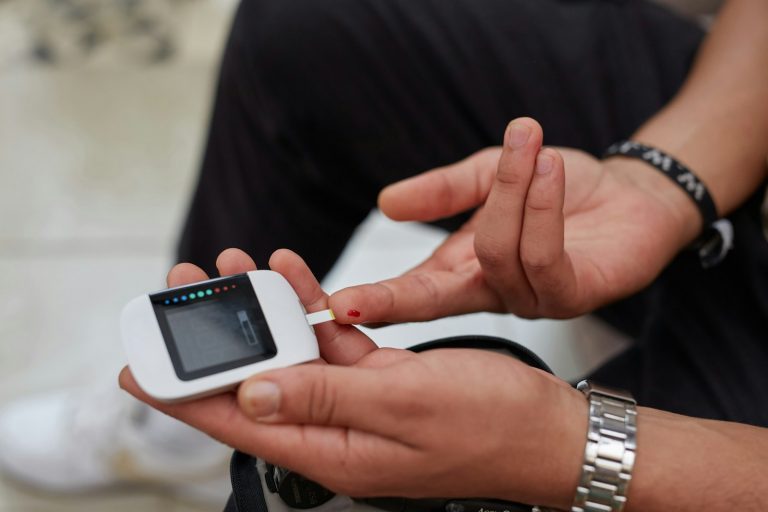

A quick trip to the grocery store. A lengthy day at work during which you hardly find a moment to sit down. A brief walk that unexpectedly amounts to 8,000 steps. For people living with diabetes, everyday routines may inadvertently place additional stress on your feet, particularly if you experience reduced sensation, swelling, or skin that becomes irritated more easily than before.
It is reassuring to know that you can maintain your pace of life while still taking care of your feet. A more intelligent setup would be beneficial. For many men, it begins with walking shoes designed to minimize rubbing, support your stride, and ensure your feet remain stable throughout the day.
This guide outlines the important aspects, what to steer clear of, and how to incorporate footwear into a straightforward, consistent diabetes-friendly routine.
Why shoes matter more when you have diabetes
Diabetes is prevalent and is increasing worldwide. The International Diabetes Federation estimates that approximately 589 million adults aged 20 to 79 were living with diabetes in 2024, with projections indicating a significant rise by 2050.
The CDC estimates that in the U.S., 38.4 million people have diabetes, with a significant portion remaining undiagnosed.
The numbers may seem significant, yet the daily experience is quite personal: diabetes can influence nerve function, circulation, and the healing process of minor injuries. The combination of factors is what makes foot care a practical priority. A minor hotspot from a snug toe box or a seam that rubs can develop into an issue if it goes unnoticed early on.
The American Diabetes Association highlights the importance of protective habits, such as refraining from going barefoot and wearing socks and shoes (or slippers at home) to minimize the risk of injury.
Footwear encompasses more than just comfort. For numerous individuals with diabetes, effective risk management enables a normal lifestyle.
The fast-paced world problem: your feet do not get “recovery time”
In a slower lifestyle, your feet might get breaks.
In a busy lifestyle, they often do not.
- You stand longer than you realize (work, errands, social events).
- You walk more than you planned (parking farther, stairs, station transfers).
- You sweat more in shoes (heat, long commutes, travel days).
- You make quick footwear choices (slip-ons, worn-out shoes, shoes that “almost” fit).
Those are precisely the conditions that can elevate friction, pressure, and moisture, which together may result in blisters, skin breakdown, and soreness.
The objective is not to achieve perfection. The aim is to achieve consistency: footwear that enhances safety on a typical day.
What “the right walking shoes” really means for diabetes
Let’s make this straightforward. The appropriate walking shoes for daily wear that are friendly for diabetes typically perform four key functions effectively:
- Reduce rubbing inside the shoe
- Spread pressure more evenly across the foot
- Keep the foot stable so it does not slide or twist
- Accommodate swelling and shape changes without pinching
The guidance provided by NHS foot-care resources emphasizes that shoes should be adequately long, deep, and wide to ensure that toes are not constricted. It is often recommended to use secure fastenings such as laces, Velcro, or straps, while advising caution regarding slip-on or backless styles that may offer less support.
That serves as the foundation. Let us now transform it into a practical checklist that you can genuinely utilize.
A simple buying checklist for men’s walking shoes (without overthinking)
Start with the fit, not the brand
The fit is the aspect that holds the greatest importance.
A shoe may offer premium cushioning; however, if it constricts your forefoot or if your heel slips, you will find yourself back in the friction zone.
Aim for:
- A toe box that allows toes to lie flat and move slightly
- A heel that remains stable and does not lift while walking
- The depth should be sufficient to ensure that the top of your foot is not pressed down.
The ADA recommends obtaining properly fitted footwear and wearing shoes both indoors and outdoors, as injuries can occur at home as well.
Choose a secure closure
This is an underrated point.
Shoes that fasten properly ensure that your foot is held securely in place. This minimizes sliding, thereby decreasing rubbing. The NHS guidance generally recommends fastened footwear rather than loose slip-ons, as this provides better support and helps to prevent rubbing.
If you appreciate the convenience of slip-ons, it may be beneficial to select a style that offers both structure and stability, while reserving loose slippers for brief, low-risk occasions.
Look for an interior that feels “boringly smooth”
If the interior of a shoe features harsh stitching, stiff edges, or rough overlays, it is likely that your skin will experience discomfort over time, particularly during extended wear.
When you try on a shoe:
- Run your hand along the inside
- Check the toe area for seams
- Press the lining to see if anything feels sharp
It is advisable to inspect shoes before wearing them, as this is a habit frequently recommended in diabetes foot-care guidance.
Cushioning should feel supportive, not squishy
Some men tend to believe that softer is synonymous with better. That is not the case all the time.
Shoes that are too soft may provide comfort initially, but they can become unstable after a couple of hours. The instability may lead to increased pressure in unexpected areas.
A more suitable target would be cushioning that effectively absorbs impact while maintaining proper alignment of your foot. Please consider “steady comfort” rather than “marshmallow.”
Prioritize a stable outsole and predictable grip
In a fast-paced life, one often encounters various surfaces: tiles, sidewalks, stairs, parking lots, and smooth office floors.
A stable outsole assists in maintaining a consistent stride. This minimizes micro-slips within the shoe and decreases the likelihood of uncomfortable foot movement that can result in hotspots.
How to break in new shoes safely
Even high-quality shoes may lead to discomfort if you transition from no wear to full-day use all at once.
Try a gradual approach:
- Wear them indoors for a duration of 30 to 60 minutes.
- Take a moment to check your feet afterward for any signs of redness or irritation.
- Consider wearing them outside for a brief walk.
- Gradually build up over several days until they become your regular pair.
If you observe a recurring hotspot in the same location, please refrain from “pushing through.” Please consider that as a signal to adjust the fit, socks, or shoe choice.
Socks are not an afterthought
Shoes and socks function together as a cohesive system.
The ADA indicates that socks can provide added protection, and moisture-wicking socks assist in keeping feet clean and dry.
In a busy day, moisture is important. Increased sweat can lead to higher friction. Friction can lead to increased skin irritation.
If your feet tend to sweat:
- Consider selecting moisture-wicking socks.
- Refrain from using thick seams that may rest on pressure points.
- It would be wise to keep an extra pair in your bag for long days or travel days.
This small habit may help you avoid a blister that could disrupt your week.
The “busy day” footwear routine that actually sticks
Many individuals do not struggle with foot care due to a lack of concern. They encounter difficulties because the routines are overly complicated.
Here is a realistic routine that fits a busy life.
Morning (30 seconds)
Before you put shoes on:
- A prompt visual examination for any signs of redness, cuts, cracks, or swelling would be appreciated.
- Please check for any tenderness that appears to be new.
The ADA recommends daily foot checks as a beneficial practice for protection.
Before leaving the house (10 seconds)
- Shake out the shoe
- Ensure to check for any pebbles, folded insoles, or other items inside that may cause rubbing.
Midday (optional, but powerful)
If you are on your feet all day:
- Take one minute to loosen laces and re-tie
- If socks are soaked, swap them
Night (1 minute)
- Another quick check
- If you see a sore spot that is getting worse, do not ignore it
If you have neuropathy, reduced circulation, or a history of foot ulcers, it may be wise to consult your clinician or podiatrist about the specific “red flags” that warrant a same-day call.
What to avoid, even if it feels convenient
In a rapidly evolving environment, the allure of convenience is undeniable. Here are some typical pitfalls:
- Shoes that are overly narrow because “they will loosen up eventually”
- Worn walking shoes with depleted cushioning
- Backless slippers designed for extended indoor use
- Stiff interior seams or abrasive overlays
- Shoes designed for optimal foot movement on downhill terrains
NHS resources frequently advise against backless or sling-backed footwear and loose slippers for individuals with diabetes due to their reduced support and potential to increase rubbing risk.
When it makes sense to explore diabetic-focused walking shoes
Many men perform adequately with well-fitting, standard quality walking shoes.
Individuals gain advantages from choices tailored to accommodate diabetes requirements, featuring added depth, streamlined interiors, and enduring support. When searching for mens diabetic walking shoes, prioritize models that highlight comfort, provide stable support, and offer a fit that allows for swelling without constriction.
Quick answers people search for
“Do I really need special shoes?”
Numerous individuals find success with well-fitting walking shoes that provide comfort without causing friction. Specialty options may prove beneficial for managing swelling, pressure points, or persistent irritation.
“What matters more: cushioning or fit?”
Fit. While cushioning is beneficial, ensuring a proper fit is essential to avoid the onset of friction and pressure issues.
“Should I size up?”
Occasionally, particularly if you experience swelling as the day progresses. The optimal method involves measuring both feet, trying on shoes later in the day to account for swelling, and selecting width and depth that correspond to your foot shape.
FAQs
- Can men with diabetes wear normal walking shoes?
Yes, many can. Achieving the right fit, ensuring reliable support, and maintaining a seamless interior are essential. Individuals experiencing neuropathy, regular swelling, or foot deformities might find it advantageous to consider footwear specifically tailored for these conditions, along with professional advice from a podiatrist.
- How often should I replace my walking shoes?
For those who walk regularly, it’s common to swap out shoes once the cushioning and tread begin to diminish, or when the shoe starts to feel less stable. If your feet are feeling more fatigued during your usual activities, it might be time to consider that your shoes have seen better days.
- What should I do if I notice redness after wearing a new pair?
Consider it a cautionary note. Minimize usage duration, inspect sock seams, and reevaluate fit. If redness persists or if the skin becomes compromised, reach out to a healthcare professional, particularly if you experience diminished sensation.
- Are slip-on shoes okay if they feel comfortable?
While they can be comfortable, many slip-ons offer reduced support and permit greater foot movement, potentially leading to increased rubbing. Guidance on foot care for diabetes often recommends shoes that fit snugly to minimize friction.
- What sock material is best for busy days?
Moisture-wicking socks are frequently suggested as they effectively maintain dryness and minimize friction caused by perspiration.
- What if I sit most of the day but still get foot problems?
Even desk jobs can include extended periods of standing, commuting, and heat accumulation in footwear. Prioritize proper fit, utilize breathable materials, and maintain a regular practice of swift foot inspections.
- What are the biggest mistakes men make with walking shoes and diabetes?
Purchasing shoes that are too narrow, opting for worn-out pairs, overlooking pressure points, and selecting convenient footwear for extended periods. Minor problems escalate into major concerns when they occur consistently.
Closing thought: keep your pace, upgrade your foundation
Managing diabetes in a dynamic environment is not about shunning activity. Activity is essential for well-being, autonomy, and self-assurance.
The ultimate aim is to enhance the safety and ease of movement, enabling you to consistently engage with work, family, travel, and all that lies in between.
Select footwear that provides a proper fit, minimizes friction, and ensures stability during extended wear. Create a compact routine that identifies issues promptly. When seeking tailored solutions, men’s diabetic walking shoes offer a practical enhancement that ensures you stay active with ease.

0 Comments