

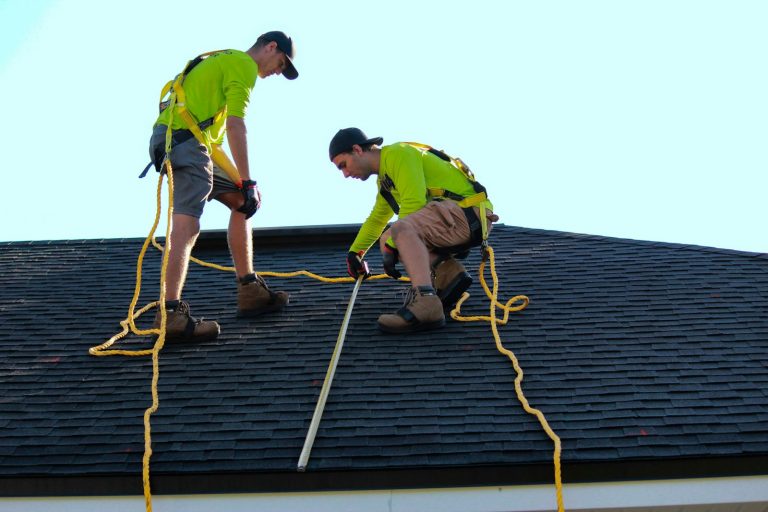

A slow ceiling drip signals a roof exposed to many Columbus, Ohio winters. Retail owners deal with membranes separating at seams, standing water that strains drains, and HVAC curbs weakened by equipment weight. With stores open every day and limited capital budgets, each roofing choice must match local temperature swings, wind exposure, and practical maintenance schedules.
Retail managers who request a Columbus roofing quote early gain a clearer picture of system age, exposure, and cost options. A structured approach links moisture scans to material selection, installation phasing that limits closures, warranty planning, and capital forecasting. That planning keeps stores open, protects inventory, and controls expenses through verified assessments and documented installation schedules.
Structural Conditions That Shape Upgrade Planning
Early structural assessments reveal which portions of the deck have softened, where distortion limits accepting heavier systems, and where ponding is persistent enough to signal slope failure. Historic repair patches should be mapped against moisture readings to distinguish surface fixes from substrate decay. That mapping narrows material choices and sets priorities for focused intervention.
When curbs show movement or rot, specify blocking or curb replacement capable of supporting modern units and rooftop traffic. Prioritize repair locations that mask recurring leaks, since addressing substrate failure reduces repeat costs. Use phased scopes that tackle the worst zones first, leaving room for upgrades as budgets allow.
Material Performance That Matches Columbus Weather and Site Exposure
Durable membrane choices reduce mid-winter leaks and cut repeat repairs by standing up to Columbus freeze-thaw cycles. Test seam assemblies for repeated movement, strain and puncture resistance, and prefer factory-fabricated details where overlaps are unavoidable. For large flat decks choose metal or mechanically-fastened systems rated for high wind uplift, with attachment spacing set to measured exposure.
Confirm substrate condition before planning coatings or recover systems so adhesion tests can prevent failures that drive up costs. Require manufacturers’ load ratings tied to documented deck capacity instead of generic tables, and build a small mock-up into the contract to verify seasonal movement performance and guide phased upgrades.
Installation Logistics That Support Daily Store Operations
Reduced customer disruption is the main measure of a well-run roofing job for a retail store. Project organization keeps public entrances and delivery lanes open, splits work into roof sections to limit noise and debris, and places staging areas where staff can see activity without interrupting shoppers. Clear site lines cut complaints and speed inspections.
Schedule noisy tasks during off-peak hours and coordinate outages with store managers so merchandise protection and cashier flow are handled. Send weekly emails and make brief on-site check-ins with simple floor maps to align crews with store needs; that communication keeps projects on budget and prepares the warranty and maintenance phase.
Warranty Details That Direct Long-Term Ownership Decisions
Predictable coverage terms prevent surprise repair costs and align roofing choices with multi-year occupancy plans. Agreements range from material-only warranties to combined labor and workmanship protection that clarify who pays for repeat work. Confirm contractor licensing, insurance, and local claim history before accepting extended terms to avoid inheriting liability issues during service periods.
Coverage selection should reflect expected occupancy duration and inspection frequency by material type. Require manufacturer-approved flashing and termination details with on-site verification to keep claims valid. Choose warranty tiers that include labor throughout your planned operating term; this stabilizes maintenance budgets, simplifies staff turnover, and protects long-term roof performance.
Budget Planning That Helps Avoid Unnecessary Costs
A disciplined budget plan keeps roofing costs from eating into store capital and lets teams schedule work around merchandise needs. Begin with moisture surveys—infrared thermography, core sampling, and small-area probes—to locate saturated insulation and hidden decay, which narrows scope and avoids unnecessary full-deck tear-offs. Tie immediate repairs to cash flow and short-term priorities.
Phasing work around annual capital cycles lets retailers spread cost while keeping high-traffic stores open. Compare insulation upgrades and recover options by projected energy savings, warranty impacts and payback; run a focused cost-benefit analysis that includes installation, disruption and ongoing maintenance. Add a contingency line and tie phased scopes to available reserves.
Clear alignment across structure, materials, installation logistics, warranties, and budget. Columbus retailers who link moisture scans and deck assessments to material specs and phased schedules cut repeat repairs and capex surprises. Specify factory-made details where movement stresses seams; set attachment patterns to measured exposure and schedule noisy work off hours to keep stores open. Pick warranty tiers that cover labor for planned occupancy and match inspection intervals to materials to limit surprise costs. Run phased cost-benefit analyses including insulation payback and contingency tied to reserves. Make scans and a phased plan your starting point. Schedule a roof survey today.

0 Comments