

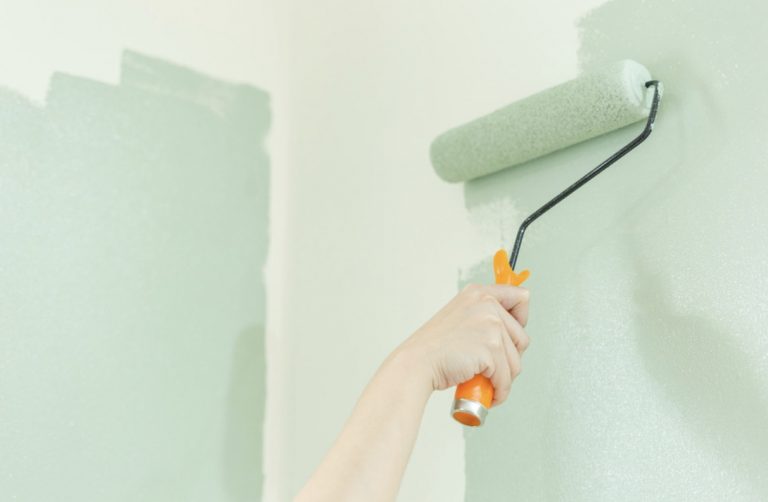

Understanding the Appeal of DIY Painting
Home painting is a popular project among homeowners who wish to add a personal touch to their living spaces. While a large number of homeowners prefer hiring professionals for renovation tasks, some enjoy the process of choosing colors, prepping surfaces, and applying the paint themselves. According to Proline, nearly 89% of homeowners opt to hire professionals for their home renovations because it often ensures a polished finish.
Yet, there remains a significant portion of the population who prefer to tackle these projects personally. The desire to create a personalized space and the satisfaction of completing a DIY project are compelling reasons for many to undertake painting tasks themselves. The creative freedom and ability to infuse personality into their homes make DIY painting attractive despite the professionals’ appeal.
Moreover, the financial savings of doing it yourself can be a motivating factor. By not hiring professionals, homeowners can save on labor costs and allocate funds toward higher-quality paints or needed tools. This hands-on approach also allows individuals to make modifications and changes as they go, making the project truly their own and bringing in a sense of accomplishment and a connection to their home.
Planning for Success
To successfully paint a room, careful planning is essential. Before you start, decide on the colors and the types of paint you want to use in your home. According to Bob Vila, painting an average bedroom is a task that typically takes approximately two days. Ensuring you allocate sufficient time is crucial for success.
Gathering all necessary supplies beforehand can make the process smoother. This includes brushes, rollers, painter’s tape, drop cloths, and other essential items based on your project’s scale. Proper preparation can help minimize the time and effort you’ll need during the actual painting phase.
Additionally, consider the weather and time of year when planning your project. Painting in high humidity or extreme temperatures can affect how the paint dries. Choose a time when conditions are optimal, and ensure your home is well-ventilated to allow for proper drying and curing of the paint, which contributes to a long-lasting finish.
Prepping Your Space
Preparation is key to achieving a professional-looking paint job, even when you’re doing it yourself. Start with cleaning the walls to remove any dirt, dust, or grease that could interfere with paint adhesion. By dedicating adequate time to surface preparation, you create the best possible foundation for your paint project.
Next, inspect the walls for any imperfections such as cracks or holes, and repair them to ensure a smooth surface. This step might seem time-consuming, but it is crucial for a flawless finish. Proper preparation also extends to protecting your furniture and flooring with drop cloths and securing any edges with painter’s tape for clean lines.
Furthermore, ensure you have identified the right primer for your wall type, which enhances paint adherence and durability. Choosing to prime solves many minor surface problems before paint application, ensuring longevity and vibrancy. This investment of time and resources upfront significantly enhances the quality and appearance of your finished project.
The Painting Process
Once preparation is complete, it’s time to start painting. Begin with cutting in edges with a brush for precision before filling in larger areas with a roller. This method ensures you cover all areas efficiently while maintaining straight and clean lines.
Don’t rush through the coats; proper timing between layers is crucial. Most paints require sufficient drying time before a second coat can be applied, usually a few hours, but this can vary. Be sure to read the instructions on your paint can and follow them to avoid issues such as uneven color or texture.
As you paint, maintain a wet edge to prevent lap marks and ensure an even application. With each stroke of the brush or roll of the roller, you’re adding a new layer of character to your home. Take periodic breaks to step back and check your work, ensuring there are no missed spots or drips.
The Impact of Painting Your Home
Completing a paint job is not just about aesthetic improvement; it can also transform how you feel about your living space. According to House Grail, a remarkable 88% of homeowners feel an increased desire to spend time at home following a fresh coat of paint in their interior spaces.
This renewed interest in the home can contribute to overall well-being and comfort. The choice of colors and the effect they have on mood should not be underestimated, as different hues can evoke different emotions and atmospheres within a room. A well-thought-out color scheme can make spaces feel more intimate, vibrant, or tranquil, depending on your preferences.
In addition, freshly painted walls don’t just enhance enjoyment; they also increase the perceived value and appeal of your residence, whether for personal satisfaction or future real estate endeavors. Whether you’re looking to impress guests or contemplating selling, investing time in a DIY paint project can yield numerous benefits beyond the physical transformation.

0 Comments