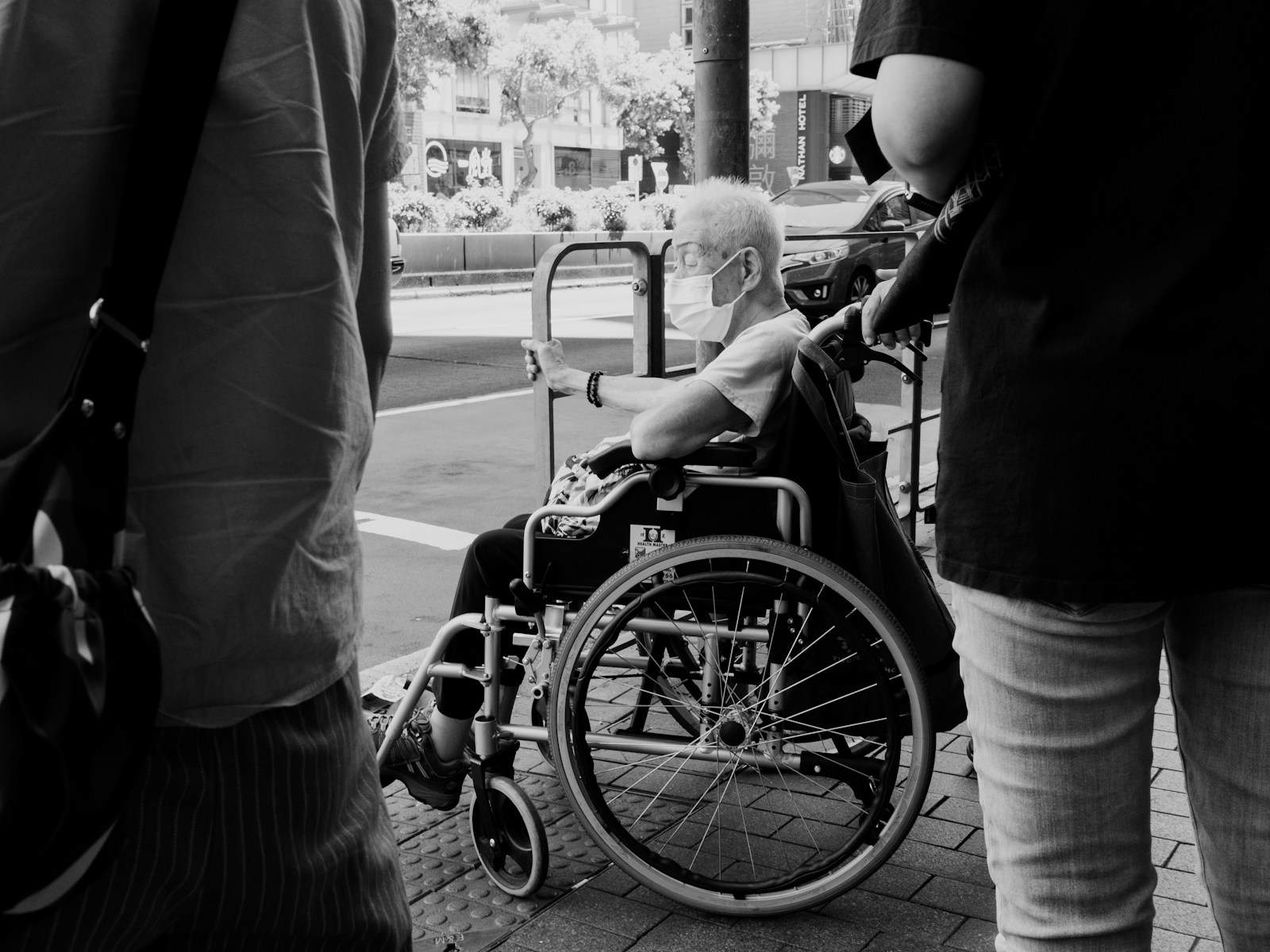
Far too many people push themselves past their limits because they believe toughing it out is the most admirable and respectable thing to do. But when you’ve been seriously injured or are dealing with a chronic health condition, endless willpower isn’t the best way forward. In fact, it can even become a liability and leave you worse off.
Social Security Disability Benefits (SSDI) exist for a reason, and if you qualify for benefits, you have every reason to apply. If you continue to push through, you’ll end up doing more damage to your body, your finances, and your mental wellbeing. If you’re struggling, applying for SSDI is the most responsible financial decision you can make.
Delaying benefits makes everything harder
If your life has been disrupted by an injury, every month you skip applying for SSDI will only create more pressure. The system moves slowly, and initial decisions take an average of 7 months. Waiting to apply pushes your timeline further into the future. When you start the application process early, you have more time to gather documentation and avoid mistakes that can set you back.
And if your application is denied, a disability attorney can significantly improve your chances of winning your appeal. But you need to start the process early to avoid wasting time. Lost income and medical bills add up fast.
Pushing through can hurt your case
If you’re still working, hoping things will improve, you might be hurting your case. The Social Security Administration (SSA) might argue that since you’re working, you’re not fully disabled. It doesn’t matter if you’re struggling the entire time and can barely function. All they’ll see is that you’re showing up and getting paid. The longer you wait, the deeper the financial hole you can fall into.
Medical evidence becomes harder to get over time
The SSA requires detailed, consistent medical documentation to approve SSDI. If you haven’t applied for SSDI yet, there’s a good chance you haven’t obtained all your medical documentation yet. If you wait too long, it might be hard or even impossible to get everything. If a doctor retires or a clinic closes, it can be a struggle to get your records.
SSDI supports your health and wellbeing
It’s a misconception that disability benefits are only for people who are completely incapacitated. The truth is that a variety of conditions qualify for SSDI that may not be obvious. For example, conditions like chronic pain, mobility issues, and autoimmune conditions can qualify. These conditions can also worsen if you delay treatment or stay at a demanding job too long.
Medical studies consistently show that prolonged stress delays healing and directly impairs the immune system. Working while injured or sick keeps you in a cycle of pain and stress. SSDI can take you out of that cycle.
There’s nothing wrong with resting. For many conditions, rest is an important and non-negotiable part of the healing process. SSDI gives you the ability to prioritize recovery rather than continually pushing yourself until you get worse. Even if you normally tough things out, you can’t push your way through a worsening condition.
SDI provides financial security
When your income drops because of a health issue, your bills won’t slow down. A recent Bankrate survey found that only 44% of Americans can cover a $1,000 emergency. If that applies to you and you’re unable to work, your unexpected expenses will far exceed that amount. SSDI benefits will give you financial support while your income is on pause.
SSDI benefits aren’t equal to your full salary, but they do provide a predictable monthly income based on your lifetime earnings.
Early SSDI approval protects your long-term earning power
Many people assume that if they get on disability benefits, they’ll be stuck on them forever. In reality, the sooner you get approved, the more you protect your future earning potential. Getting benefits now means you won’t have to push yourself to do work that does more damage. Getting benefits now will support you financially, giving you time to recover so you can go back to work when you heal.
Avoid debt spirals and apply for SSDI
When you accept disability benefits, it doesn’t mean you’ve given up or you’re not independent enough to take care of yourself. It means you’re being responsible and refusing to sacrifice your long-term wellbeing in the face of pressure.
Regardless of your situation, SSDI will give you the financial support and recovery time you need to heal. When pushing through is doing more harm than good, disability benefits can be a lifesaver.