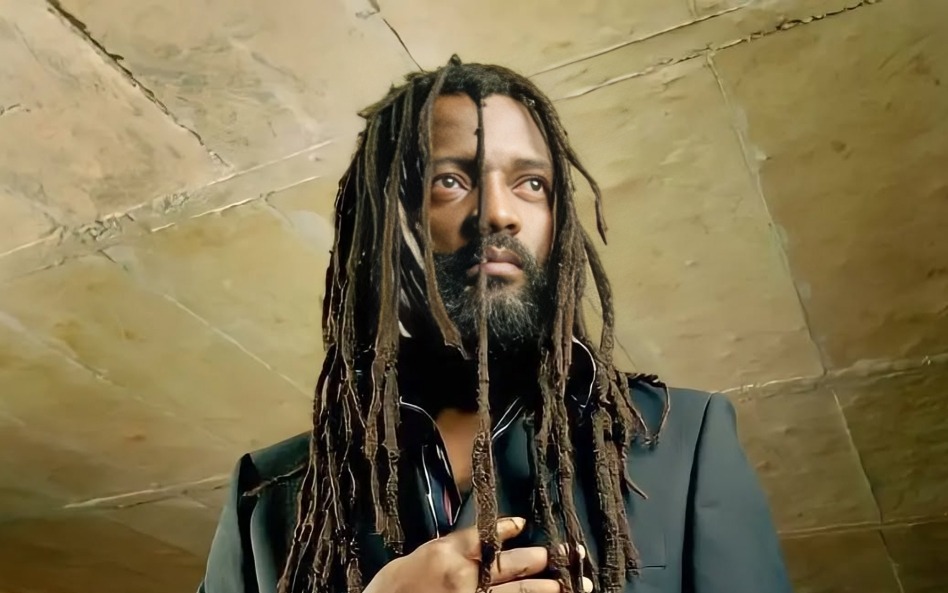
The story of Lucky Dube will always be remembered as one filled with passion, strength, and the undying force of music. Long before becoming one of the heroes of reggae in the African continent, he was just like any other innocent child, full of hopes and aspirations to have his say in the voices of those who felt they were being overlooked. From his humble roots to international success, his is indeed one of those stories where an artist uses his platform not only to entertain his audiences but to also inspire hope and strength in them. Music styles were combined by him, sowing the seeds of African reggae rhythms.
In many respects, singer-songwriter Lucky Dube became much more than a musician; he became an icon. The work that he did with his songwriting was against injustice, promoting unity, and advising listeners to hold on to hopes of better days to come. Even now, his songs are reaching today’s youths, proving the point that real stories and real emotions are never old. If you were introduced to him by his popular songs like “Prisoner,” “Slave,” and “Remember Me,” his passion is something you can’t and will never deny.
Quick Bio
| Name: | Lucky Philip Dube |
| Birthday: | August 3, 1964 – October 18, 2007 |
| Age | 43 |
| Birth Location | Ermelo, South Africa |
| Ethnicity | Black |
| Nationality | South African |
| Religion | Rastafarian |
| Zodiac sign | Leo |
| Occupation: | Reggae Musician |
| N/A |
Who Was Lucky Dube?
Lucky Dube was a South African reggae artist loved and renowned all over the world for his unique vocals, meaningful lyrics, and compelling performances on stage. He managed to release an astonishing 22 albums in less than two decades, giving him recognition as one of the most successful reggae artistes in the continent of Africa. Unlike most artistes of his generation, Lucky used his career as a tool to spread justice through his songs and address issues affecting millions of people on a daily basis.
He was admired for his unique blending of reggae and African beats, which were both familiar and novel at the same time. Fans from all over the world loved him, and more so, they loved the authenticity and bravery he brought on stage with him. The fact that Lucky was able to reach the social issues through his songs in a manner which touched the listeners’ hearts set him apart. Many felt as if Lucky was neither singing nor performing, as if Lucky was actually addressing them personally.
Early Life
Lucky Philip Dube was born on the August 3, 1964, in the small agricultural town of Ermelo, which is now part of the region of Mpumalanga, South Africa. His mother was a domestic employee and had previously experienced various miscarriages, and this is why his mother named him “Lucky.” He grew up under very difficult social and economic situations, in the middle of the apartheid regime, where the government promoted the segregation of the races, thereby denying opportunities to members of the Black race in South Africa.
In spite of his family’s lack of much, music always remained a source of strength for him. He began singing in his school’s choir and later organized his own mini-band performances with his classmates. Singing became his escape route and his platform for self-expression without fear. His upbringing, mainly by his mother and his wonderful grandmother, gave him the foundations in both love and discipline fundamental for creating his overall success in life. Music remained the light in his difficult childhood, leading him to his bright and broad future.
Career Beginnings
When did the legendary musician, Lucky Dube, begin his career in the music industry? He actually began his career as the member of his cousin’s band, The Love Brothers, which performed mbaqanga, which is tradional Zulu pop music. He successfully released many albums in this genre, but then fell in love with reggae, which really attracted him. Although his first album in reggae did not bring him much success, his determination never faded, and his first successful album did not take long to come.
The following two decades saw him becoming an international icon. His albums ‘Slave,’ ‘Prisoner,’ and ‘Victims’ were instrumental in bringing reggae music with an African twist to the global scene. He toured various countries, performed at large festivals, and reached millions of listeners on the continent of Africa, as well as Europe, the Caribbean, and the Americas. What defined ‘Lucky’ was his courage, as his songs expressed issues of inequality, human rights, and the struggles of the common man at a point in time and place where it was extremely dangerous to speak those words.
What Happened to Lucky Dube?
In spite of his popularity, Lucky Dube is remembered as being very committed to his family. He married Zanele Mdlili, and they were both parents to seven children. In spite of being very busy with his career, this musician managed to remain connected to his loved ones. Many people have described him as being very kind, gentle, and someone who brought his children up with very high values.
Unfortunately, the life of Lucky Dube was cut short on October 18, 2007, as he was victimized during a car-jacking incident in Johannesburg. He had just dropped two of his children at school and was then accosted by armed robbers, who mistakenly identified him as someone else. The sudden loss did not only affect the nation of South Africa, but the whole world was caught up in the loss of someone so generous through his talents. Some men were arrested and sentenced for this crime, but this did not reduce the pain associated with his death.
Lucky Dube’s Physical Appearance
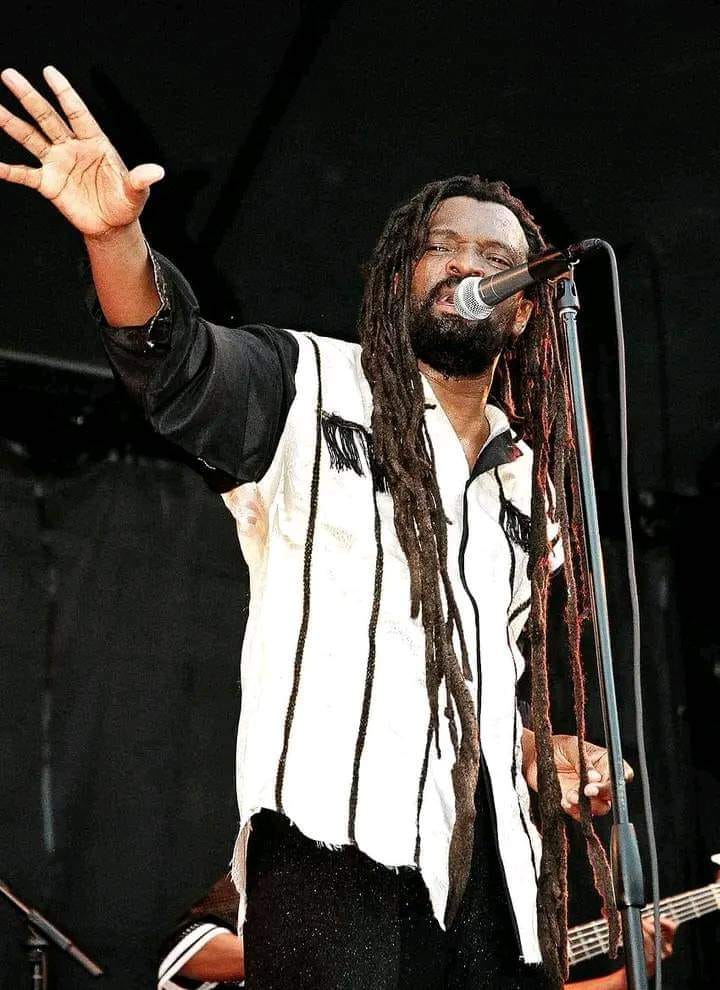
The striking appearance of Lucky Dube made him very easy to identify and recognize. With his dreadlocks, slender body, and calm yet commanding stage presence, the musician exuded the confidence of someone very well-versed in his song’s meaning. His eyes were often | |the embodiment of strength and compassion, and his warm passion on stage brought his audiences close to him. The deep, rich, and soothing sound of his voice contributed significantly to his distinctive presence.
On stage, his fashion sense incorporated reggaicalypso-inspired clothes with African cultural influences. In his personal life, he liked simplicity, but on stage, there is meaning to his dressing. He did not aim to be flashy but conveyed his messages through his songs and authenticity. He connected well with his audiences because they felt as if they were hearing the ‘voice of his heart and his life of purpose.’
Net Worth
Although the accurate figure may fluctuate, the estimated value of his estate at the point of his death is well over 1.5 million dollars. Earnings were generated through album sales, concerts, global performances, as well as royalties accruing from his vast collection of songs. In light of the prevailing standards within the industry on the continent at the time, this was no small feat. He sold many albums, and his success ranked him among the best on the continent as a recording artist.
Yet, his estate still derives revenue streams from online streaming, radio play, and compilation album sales and licenses. His songs are still well-liked in the whole of Africa and other parts of the world, meaning his loved ones are still earning from the very thing he spent his whole life doing. The financial success, although appearing non-existent on his part, is evidence of his global reach and influence.
Legacy of Lucky Dube
The artistic legacy of Lucky Dube still influences the continent’s music scene to this day. He laid the precedent for reggae musicians on the continent and demonstrated the versatility of reggae, which is still as spiritual as it was on day one, yet now blended with African flavors and narrative content. Most upcoming musicians today look up to him as an inspiration, both for his artistic style and his fearlessness in communicating freely on tricky topics through his songs.
More than a decade after his death, his voice still lives on through tribute concerts, documentaries, and digital remasters of his albums. The powerful messages in his lyrics resonate today, as they did then, with regards to issues of unity, justice, and the human spirit. The meaning and spirit of his life’s work, as preached by the late reggae singer and artist, Lucky Dube, are evident in all his songs and shine so bright.