

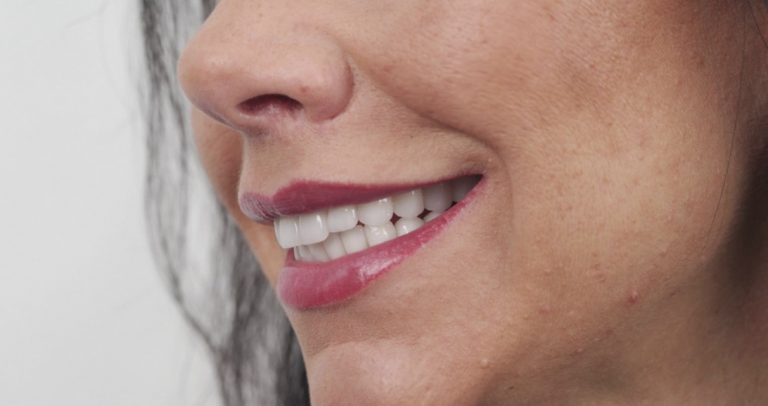

A brighter, more uniform smile is often closer than people think. Dental veneers are thin, custom shells bonded to the front of teeth to change color, shape, length, or alignment. They can address long-standing concerns without the extended timelines of orthodontics or multiple whitening sessions. If you are curious about how veneers work, what they feel like, and whether they last, this guide covers the essentials so you can have a productive conversation with your dentist.
What Veneers Are and What They Can Fix
Veneers are usually crafted from porcelain or composite resin and are designed to sit on the visible surface of your teeth. They can mask deep staining, minor chips, slight gaps, and uneven edges that do not respond well to other cosmetic treatments. Because veneers are custom made, they can harmonize tooth proportions and contour for a natural look. When done well, they blend with surrounding teeth rather than appearing like a single “perfect” block.
When Veneers Make Sense
Veneers are a good option when whitening cannot lift intrinsic stains or when small chips and edge wear make teeth look older. They are also helpful when one or two teeth are set back slightly, creating shadows in photos or under bright lighting. Patients often choose veneers as part of a makeover that coordinates color across multiple teeth for consistent brightness. A candid exam can determine whether veneers or more conservative bonding is the better route.
Types of Veneers and Materials
Porcelain veneers are celebrated for lifelike translucency and stain resistance. Composite veneers can be placed more quickly and are often less costly, but they typically require more maintenance over time. Your dentist will consider bite forces, enamel thickness, and aesthetic goals to recommend a material and prep approach. Proper shade matching and surface texture are key to avoiding an overly uniform look. According to Forbes, porcelain veneers commonly last around 10 to 15 years, which is one reason many patients choose them for durability and color stability over time.
The Treatment Process
Most veneer cases take two to three visits. First comes the consultation, photos, and impressions or a digital scan, plus a discussion of shade and shape. Teeth are then prepared in a controlled, minimal way to make space for the veneers, and temporary restorations protect your smile while the lab fabricates the final set. At delivery, your dentist tries in each veneer, confirms fit and color under different lighting, and bonds them using a precise adhesive protocol.
Maintenance and Longevity
Daily care is straightforward: brush with a non-abrasive paste, floss gently, and keep up with six-month cleanings. Avoid biting directly into hard items like ice or pens, and use a night guard if you clench or grind. Staining foods and drinks will not penetrate porcelain easily, but keeping surfaces clean will maintain luster. Treat veneers like you would healthy enamel and they will remain bright and intact. According to Colgate, dental veneers can generally be expected to last about 10 years, which aligns with real-world outcomes when patients follow good hygiene and wear protection if they grind.
Access and Choosing a Dentist
Plenty of providers offer cosmetic services, so prioritize training, a photographed portfolio, and clear communication. Ask to review case examples similar to your goals and request a mock-up or digital preview so you can see proposed changes before committing. Comfort with the team matters as much as the technical plan, since small adjustments make a big difference in the final look. According to IBISWorld, there were 181,469 dentist businesses in the United States in 2023, so you will find a wide range of practices and experience levels when researching your options.
Risks, Limits, and Alternatives
Veneers are a long-term change, so you should understand the commitment. Some enamel removal is usually required, making the process not fully reversible. If your bite is unstable or you have untreated gum disease, those issues must be addressed first. Alternatives include whitening, orthodontics, or selective bonding for smaller changes, and your dentist can outline pros and cons for each path.
Cost Considerations and Planning
Fees vary based on material, lab quality, and the number of teeth treated. Many patients stage treatment, improving the most visible teeth first and adding others later for full symmetry. Financing or health savings accounts can help spread costs. Clear expectations about shade, shape, and texture upfront reduce remakes and ensure the final result matches your vision.
Veneers are a versatile, predictable way to refresh your smile when discoloration, chips, or uneven edges keep you from feeling confident. Success comes from a thoughtful plan, realistic expectations, and steady home care. If you like the idea of targeted, lasting improvements with minimal disruption, start with a consultation and a smile preview. With the right team and maintenance habits, veneers can deliver a natural look that fits your face and your lifestyle.

0 Comments