

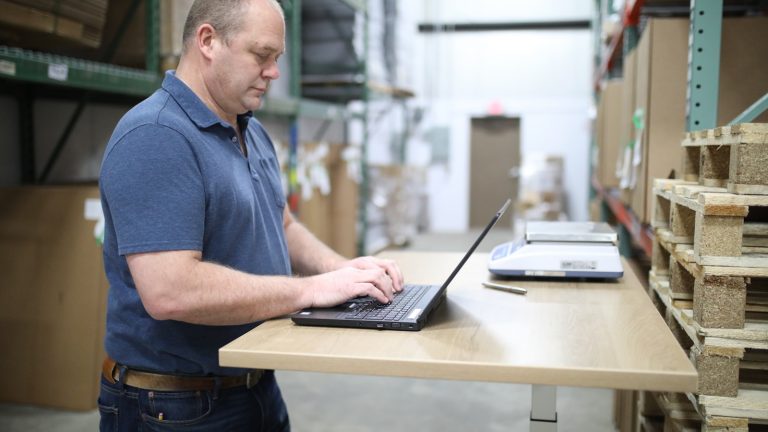

Managing food inventory is one of the biggest challenges for restaurants. Ingredients have short shelf lives, and even small miscalculations can lead to unnecessary waste and rising costs. In an industry where margins are already tight, keeping food waste under control is crucial. Technology now makes it easier for restaurants to keep track of their stock, monitor usage, and forecast demand with much greater accuracy. When used correctly, inventory management tools can make a noticeable difference in reducing both waste and expenses.
Better Visibility and Real-Time Tracking
The first step toward reducing waste is knowing exactly what you have in stock and how it’s being used. Real-time inventory tracking gives restaurant staff a clear picture of ingredient levels at any given moment. Instead of relying on manual counts or memory, managers can see what’s selling and what’s sitting idle.
When a restaurant uses POS-integrated inventory software for restaurants, each sale is automatically linked to the ingredients used for that dish. This means that as soon as an item is sold, the system updates the stock count for all the ingredients involved. The benefit is simple but significant—kitchens can avoid over-ordering, prevent items from expiring unnoticed, and ensure that older stock is used first. Real-time data gives staff the information they need to make quick, smart decisions before waste becomes a problem.
Smarter Ordering and Demand Forecasting
Ordering too much food leads to spoilage, while ordering too little risks running out of key ingredients during service. Finding the right balance is easier when a restaurant has reliable data to guide purchasing decisions. Inventory tracking systems help predict how much of each ingredient will likely be needed based on past sales, seasonal changes, and menu trends.
This forecasting allows managers to place more precise orders—buying what’s needed for the week rather than guessing. It also helps identify which menu items are most popular and which ones don’t justify keeping certain ingredients in stock. Over time, this level of control cuts down not only on food waste but also on the money tied up in unused products. By using automated forecasting, restaurants move from reactive decision-making to a more planned and efficient approach.
Improved Storage and Ingredient Rotation
Even when ingredients are purchased in the right quantities, waste can still occur if they aren’t stored or used properly. Efficient stock management systems help staff follow best practices such as “first in, first out,” meaning older items are always used before newer ones. The software can send alerts when ingredients are nearing their expiry date, prompting the kitchen to use them in specials or substitute them in other dishes.
Proper storage tracking also helps prevent problems like duplicate ordering or losing track of items in freezers and pantries. With accurate records, kitchen staff know exactly what’s available and where it’s stored. As a result, less food is overlooked and thrown away. In the long run, these small improvements in organization and rotation lead to substantial cost savings.
Linking Inventory to Menu and Cost Control
Inventory data becomes even more useful when connected to menu performance. By tracking how much of each ingredient goes into each dish, restaurants can determine which menu items are profitable and which may be causing unnecessary waste. For example, if a garnish ingredient is frequently thrown out or spoils before use, managers can adjust portion sizes, switch suppliers, or modify recipes to reduce loss.
This insight also allows better cost control. Restaurants can calculate the true cost of every dish by comparing ingredient use with sales performance. When inventory tracking and menu planning are aligned, decisions about pricing, portioning, and menu updates become data-driven and practical. It also helps to prevent hidden costs that come from waste, overuse, or poorly managed ingredients.
Accountability and Team Efficiency
A reliable stock management system encourages better teamwork and accountability in the kitchen. When staff can clearly see inventory levels, there’s less confusion about what needs to be used or ordered. Everyone—from chefs to purchasing managers—works from the same information. Automated updates reduce human error and save time that would otherwise be spent counting, logging, or searching for items.
This shared visibility fosters a culture of responsibility. Staff members become more aware of waste and are more likely to handle ingredients with care. Over time, this not only lowers costs but also promotes more sustainable kitchen practices.
Conclusion
Reducing food waste and controlling costs are ongoing challenges for restaurants, but the right tools make them manageable. Real-time tracking gives a clear view of what’s in stock and what needs attention. Accurate forecasting helps avoid over-ordering, while proper rotation ensures ingredients are used before they expire. Linking stock data to menu performance highlights where improvements can be made, and shared visibility strengthens teamwork and accountability.
When these elements work together, restaurants can cut down on waste, lower expenses, and run more efficiently—all while maintaining quality and consistency in their food service.

0 Comments