

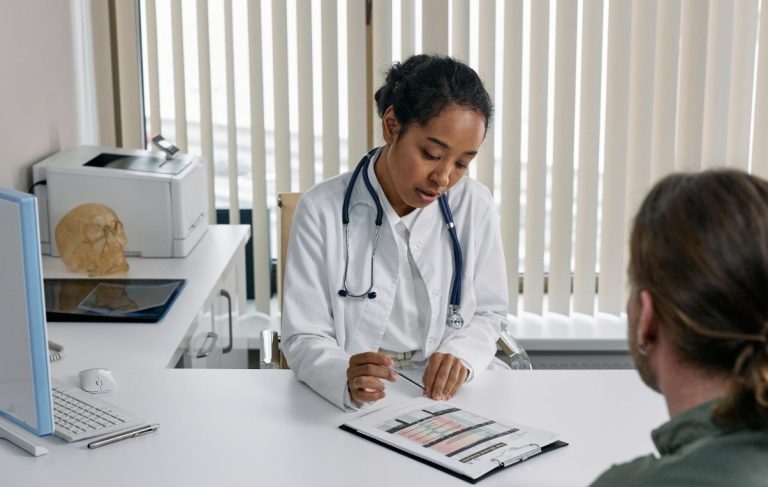

When you’re feeling unwell or injured, one of the toughest calls to make is deciding where to go for medical care. Should you head straight to the emergency room, or would your general practitioner or primary care provider be the better first stop? Understanding the difference can save you time, money, and even ensure that emergency resources are used appropriately.
Many people err on the side of caution and go straight to the ER, even for minor ailments. Others avoid the hospital altogether, hoping symptoms will pass on their own. The key is finding the balance and knowing when something is truly urgent and when it’s safe to wait for a doctor’s appointment.
Understanding the Role of Your GP vs. the ER
Your general practitioner (GP) or primary care provider is your main point of contact for most health concerns, as they know your medical history, medications, and chronic conditions. GPs can manage everything from allergies to blood pressure to anxiety, and they can coordinate referrals to specialists when needed.
The emergency room (ER), on the other hand, is designed for life-threatening or urgent medical problems that can’t wait. It’s open 24/7 and equipped to handle severe injuries, heart attacks, strokes, or any condition where minutes truly matter.
A simple way to think about it is to see your GP for routine or chronic issues and go to the ER for severe, sudden, or worsening symptoms that could threaten your life or long-term health.
When to Go to the ER
There are clear signs and symptoms that indicate you should seek emergency care right away. If you or someone nearby experiences any of the following, don’t hesitate to call 911 or go to the nearest ER.
- Chest pain or pressure, especially if it radiates to your arm, neck, or jaw.
- Sudden shortness of breath or trouble breathing.
- Signs of stroke like facial drooping, slurred speech, or weakness/numbness on one side of the body.
- Severe bleeding that won’t stop with pressure.
- Head injuries accompanied by confusion, vomiting, or loss of consciousness.
- Seizures that are new or last longer than usual.
- Severe abdominal pain, especially if accompanied by fever or vomiting.
- Major broken bones or deep wounds.
- High fevers in infants or young children, especially under 3 months old.
- Poisoning or suspected overdose.
- Severe allergic reactions like swelling, difficulty breathing, and hives.
- Sudden vision loss or severe eye injuries.
In these cases, going to the ER can be lifesaving. Emergency teams have immediate access to advanced imaging, labs, and life-support equipment that primary care offices simply don’t have.
When to Call Your GP or Urgent Care Instead
Many health issues feel serious but don’t necessarily require emergency care. In fact, you might receive faster and more personalized help by contacting your GP or visiting an urgent care center.
Reach out to your GP or urgent care if you’re dealing with:
- Mild fevers or cold and flu symptoms.
- Ear infections or sore throats.
- Minor cuts or sprains.
- Urinary tract infections (UTIs).
- Mild rashes or allergic reactions.
- Chronic condition flare-ups, like asthma or diabetes issues, that aren’t life-threatening.
- Medication refills or questions.
- Mental health concerns in non-crisis situations.
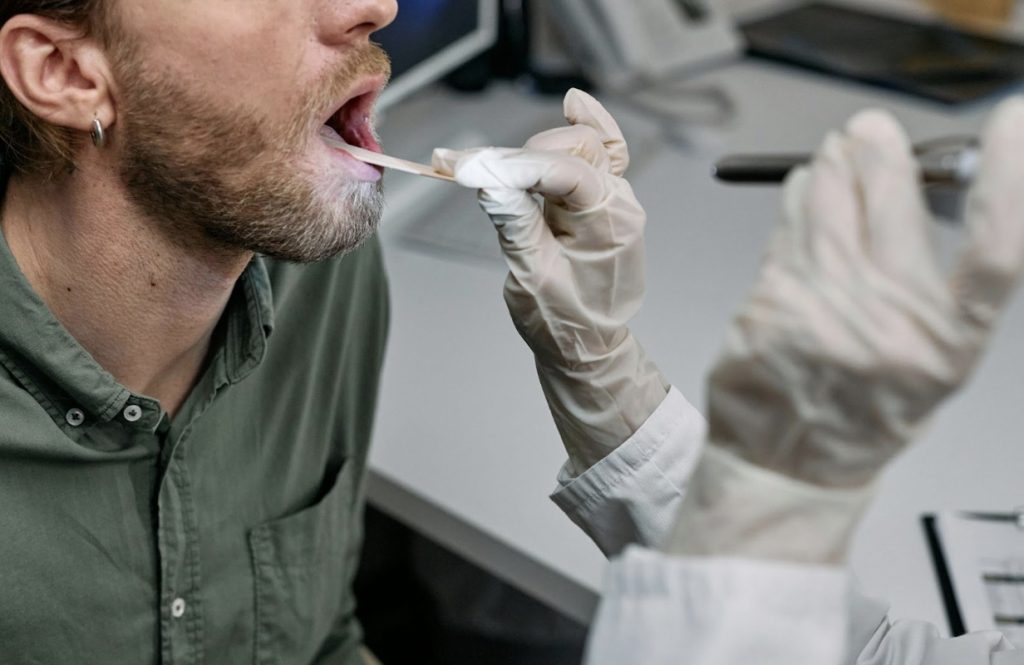
GPs and urgent care clinics can often see you the same day, prescribe medication, and order tests, all without the long ER wait times or higher bills.
Why It Matters: The Cost and Care Difference
The ER is an incredible resource, but it’s also one of the most expensive places to receive medical care. Even with insurance, copays and facility fees can add up quickly. A visit for something minor, like an earache or sore throat, can cost several hundred dollars or more.
Primary care or urgent care visits, by contrast, are typically far less expensive and much faster. On average, an urgent care appointment costs a fraction of an ER visit, and most clinics are open evenings and weekends to bridge the gap between your GP and the ER. That said, if you’re genuinely unsure whether a situation is life-threatening, it’s always better to err on the side of caution and seek emergency help.
Building a Relationship with Your GP
One of the smartest things you can do for your health is to build and maintain a relationship with your GP. Seeing the same provider regularly allows them to track your health trends over time, spot early warning signs, and manage chronic conditions before they worsen. If you only seek care in emergencies, your providers have less context and less ability to manage care effectively. Preventive checkups, lab work, and screenings go a long way in reducing your chances of ever needing the ER.
Healthcare professionals, especially advanced practice nurses and nurse practitioners, are also leading the charge in improving patient education about when to seek care. Many have pursued advanced training through MSN to DNP programs, gaining the expertise to deliver high-quality, evidence-based care in both hospital and primary care settings. These practitioners play a vital role in helping patients navigate the healthcare system effectively.
When in Doubt, Listen to Your Body
You know your body best. If something feels drastically different, suddenly worse, or “off” in a way that concerns you, don’t ignore it. Chest pain, confusion, difficulty breathing, or any symptom that makes you fear for your safety deserves immediate attention.
However, if your symptoms are mild, stable, or familiar and you can safely monitor them for a short time, it’s perfectly reasonable to call your GP first or visit urgent care. They can often help you avoid unnecessary stress and cost while still ensuring you get the right treatment.

0 Comments