

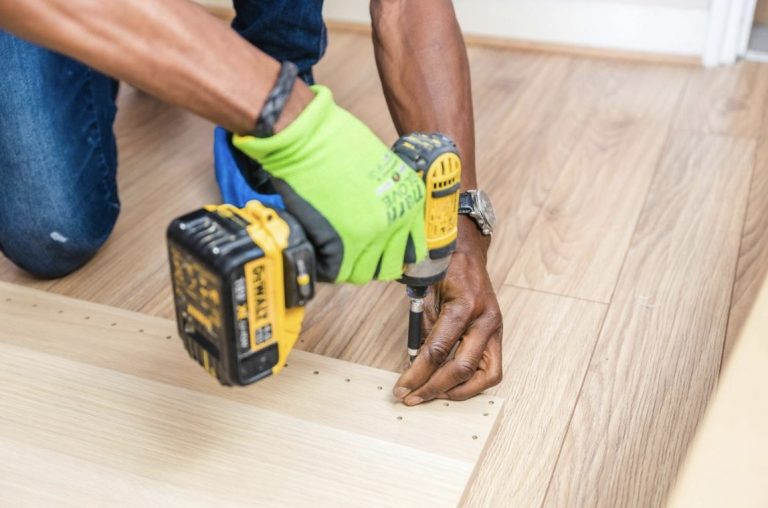

Home improvements aren’t just a case of quickly covering something up that needed fixing. Companies have made materials and kits ready available for you to do your own projects without needing contractors and professionals. Which is why many homeowners are now taking renovations and improvements into their own hands.
The concept of DIY not only promotes creativity but also shows self-reliance and the feeling of accomplishment as your hard work is associated with the creation or repair of something using your own two hands.
Towards the 1950s, manufacturers understood that people desired practical tools and step-by-step instructions in order to work on minor projects like at home. For instance, if you want to build your own metal building, a DIY kit would come in handy
They are affordable, available and empowering making ordinary homeowners capable of undertaking fixing or making improvements without having to possess specialized skills.
Why DIY kits became so popular
The increased supply of DIY kits was the direct result of changing lifestyles. Suburban life took off following World War II and homeowners were in need of expediency and personalization of their areas.
Manufacturers could see the possibility of enabling individuals to assume the responsibility of their surroundings- and the trend did not abate.
The present day kits are more intelligent, better constructed, and efficient. You want to put together furniture, add lighting, or construct your own metal building, there is almost a DIY kit to do everything.
Such kits help to avoid the necessity of organizing several suppliers or purchasing unnecessary tools.
How DIY kits simplify home projects
Beginners and experienced hobbyists who would like to take on home improvement projects will find DIY kits adaptable and easy to use. You have no more complicated blueprints, no costly equipment to work with, but rather:
- Ready-to-use materials that are timesaving and error-cutting.
- Instructions in an easy-to-follow manner.
- Ready-to-use packages that eliminate the guessing when sourcing materials.
They also enable one to produce small or medium projects without professional assistance, which is ideal to the person who likes to assume the reward of accomplishment.
Whether working on weekend decor enhancements or outdoor construction, these kits transform ambitious plans to feasible undertakings.
Types of DIY kits
The do-it-yourself market has grown enormously over the last twenty years. The following are the most popular ones:
- Home decor packages: Consider shelves and wall decor, as well as little items of furniture that can provide a personal touch to any room.
- Outdoor structure packages: Gazebos, sheds, green houses, and others that are easy to assemble.
- Repair kit: These are perfect in plumbing, painting, or electric repairs that do not need any professional qualification.
- Construction kits: Bigger selections such as extensions of home offices or storage rooms that are supplied with straightforward instructions and pre-scored materials.
By having the correct attitude, in the form of patience, concentration and a desire to learn, anyone can turn a box of parts into something functional and lasting.
The appeal of doing it yourself
Saving money is not the only motive of the modern DIY movement. It is the question of individual gratification and inventive manipulation.
Human beings enjoy the feeling of achievement, which is gained when raw materials are turned into something concrete.
DIY kits also promote sustainability in most instances. Repairing, using up, and creating new things at the household level makes the homeowner less wasteful and less dependent on market products.
It has got a communal touch to it. DIYers can share their experience, tips and project photos in online forums and social media groups. This feeling of belonging is an added incentive, particularly to the first-time kit users.
There are obviously some tasks that although can be done DIY may be best to leave to the professionals. This usually is around tasks like electrical ones, that will be more than a small fix if done wrong.
Conclusion
DIY kits have transformed our thinking when it comes to home improvement. They have opened the construction, repairing and decorating process to practically everyone with interest and an open weekend.
You can assemble a piece of furniture or build a whole shed simply because these kits remove the fear of getting started and replace it with the thrill of creation.
The emergence of DIY culture demonstrates that any person can become a builder under the condition of the availability of appropriate tools and attitude. Home improvement does not necessarily require complexities but only requires some form of guidance, a proper plan and also the desire to test it out.

0 Comments