

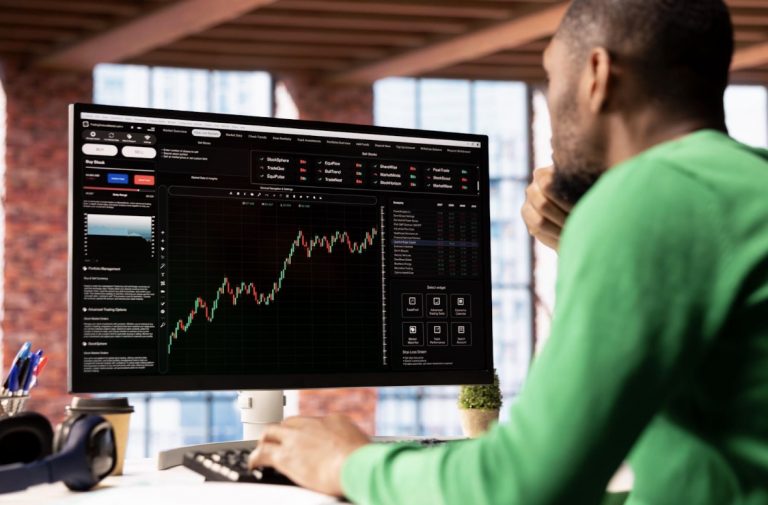

Margin trading is one of the most exciting parts of retail trading. It has emerged as a powerful tool for investors aiming to increase their returns. But before you dive in, it is important to understand the practical considerations involved in the process. Here are some key factors that you need to know before you start margin trading.
Understand the Initial Margin Requirement
You cannot directly borrow the full amount from the broker after opening a margin position. It requires a deposit to initiate margin trading. The percentage of total trade value you need to deposit depends on your broker. It can range from 10% to 50% or more.
For example, if you are trying to buy $1000 worth of stock, the broker asks for a 30% initial margin requirement. In this case, you have to deposit $300 into your margin account to start the trade.
Keep an Eye on the Maintenance Margin requirement
It is crucial to understand that you will need to maintain the margin requirement after the trade is activated. If the value drops below the margin due to loss, your broker can issue a margin call. This means you need to deposit additional funds to maintain the margin.
Be Ready for Margin Calls
As mentioned above, if the investment drops due to market changes, your broker has the right to issue a margin call. This is important to restore the balance. If you don’t meet the margin call, the broker has the power to liquidate your position. They can also sell your asset to cover the shortfall.
Interest Rates
As margin trading involves borrowing money from a broker, you will have to pay interest on the borrowed amount. These rates can vary depending on the broker. It is applied as long as your position stays open. It is crucial to understand these costs before opening a margin account, as interest can eat into your earnings even with profits.
Leverage
Leverage is considered a double-edged power. With leverage, you can control a large amount of a security or contract value with a small amount of capital. However, higher leverage can multiply profits, but at the same time, it can also magnify losses just as quickly.
For example, with 10:1 leverage, a 10% drop in price could wipe out your entire investment. It can be a powerful tool when used wisely.
Market Volatility
Financial markets can change in seconds, especially in fast-moving spaces like crypto or forex. Margin trading in volatile conditions means your balance can swing dramatically within minutes. It’s crucial to use stop-loss orders and manage your risk carefully, as volatility can work for you or completely against you.
Review Your Broker’s Rules and Policies
Every broker has different terms, margin requirements, and liquidation procedures. Some may close positions automatically at a certain loss level, while others give a short grace period after a margin call.
Always read their terms carefully so you don’t get blindsided by a sudden liquidation or unexpected charge.

0 Comments