

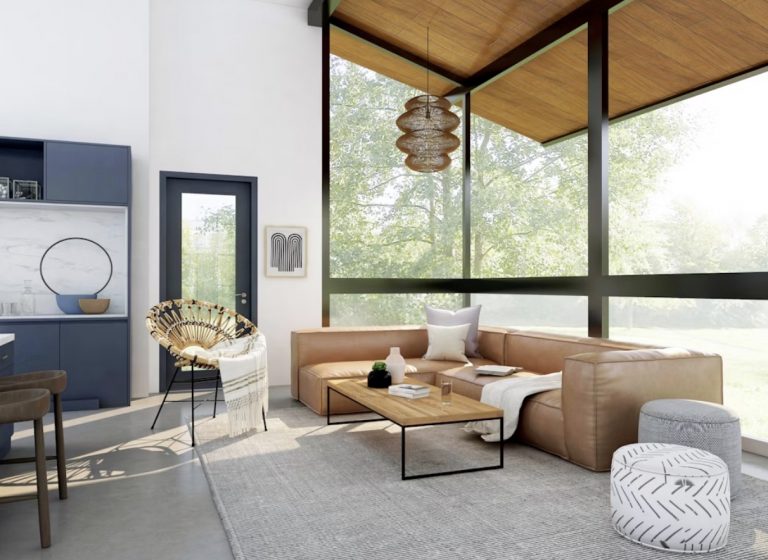

Home design is always shifting, but this year’s changes feel especially livable. The big moves are subtle, practical, and grounded in comfort. Think warmer color stories, tactile materials, smarter layouts, and tech that serves the space instead of stealing the spotlight. Here is how the most influential trends are showing up at home and how to make them work in yours.
Warm Neutrals With Character
Stark white is easing off in favor of layered neutrals with depth. Greige, almond, and soft terracotta set a calm foundation while still feeling rich. These hues pair beautifully with aged brass, travertine, and honey-toned woods.
Try painting the trim a shade darker than the walls for a contrast. Add tonal textiles like oatmeal linen, camel wool, and boucle pillows. The palette stays neutral, but each element brings nuance, so rooms feel warm instead of washed out.
Natural Textures That Invite Touch
Texture is the new pattern. Homeowners are leaning into jute, sisal, cane, and raw wood to create rooms that look collected and lived in. Plaster-inspired wall finishes and microcement add soft movement to surfaces without busy visuals.
Start small with a woven pendant or ribbed ceramic vase. Then layer in larger elements like a rough-sawn coffee table or fluted wood sideboard. The goal is to create a tactile experience that softens clean lines and adds dimension.
Statement Floors That Lead The Design
Floors are becoming the anchor for entire schemes. Wide-plank oak in natural or light-smoked finishes is popular, and chevron or herringbone patterns are finding their way into entryways and kitchens. Patterned porcelain and encaustic-look tiles are also rising.
Homeowners want a high-impact base that is still practical. That is why engineered hardwood and luxury vinyl plank are trending for busy areas. The look comes across as high-end, while standing up to pets, kids, and spills. According to the Really Cheap Floors team, this approach is smart spending. Strategic material choices help achieve designer results without designer prices.
Biophilic Design You Can Actually Live With
Bringing the outdoors in remains a priority, but it is more realistic and maintenance-friendly. Large-leaf plants like ficus and bird of paradise add sculptural greenery. Natural light gets amplified with sheer drapery, low-profile shades, and lightly reflective wall paints.
If you lack big windows, use botanical art, river stone trays, and moss bowls for a nature cue. Consider wood window frames, rattan accents, and pebble-textured bath mats. These touches create a micro connection to the environment that boosts calm and focus.
Flexible Spaces For Real Life
Rooms are harder work. Dining rooms moonlight as offices. Guest rooms toggle between the gym and the hobby space. The trick is zoning without clutter. Area rugs define use, while low bookcases or open shelves act as subtle dividers.
Choose pieces that move with you. A nesting desk, a gateleg table, or a modular sofa lets the same square footage support multiple needs. Hidden storage benches and ottomans keep gear close but out of sight, so the room resets quickly for the next task.
Tech That Disappears Into The Design
Smart homes are getting smarter and less visible. App-based lighting scenes set the mood for dining, movie nights, or work. Thin-profile soundbars and frame-style TVs blend into the wall. Charging lands inside drawers and consoles to avoid cable clutter.
Think in layers. Pair warm bulbs with dimmers to shift from a bright task light to a soft evening glow. Tuck smart sensors where they cannot be seen. Choose devices in finishes that match hardware so the overall look remains timeless while the functions stay current.
Heritage Details With A Fresh Mix
Vintage and antique pieces are back, but not as full-room replicas. Instead, one or two character items add soul to modern spaces. A spool-leg chair, an antique mirror, or a rustic bench sits alongside streamlined cabinetry and contemporary art.
The mix works because it balances precision with patina. Keep silhouettes simple around your vintage star so it reads intentional. Use repeated materials like oak, linen, or iron to connect eras and maintain visual flow from room to room.
How To Pull These Trends Together
Begin with the floor and paint. Those two choices set the tone and influence everything else. From there, layer texture through textiles and lighting, then add greenery. Keep accessories edited, and let scale do the talking with oversized art or a substantial pendant.
When budget matters, prioritize impact zones. Entryways, living rooms, and kitchens give the most visual return. Swap in a patterned runner, reface a backsplash, or upgrade hardware before replacing entire suites of furniture. Small, high-visibility updates can shift the mood of an entire home.
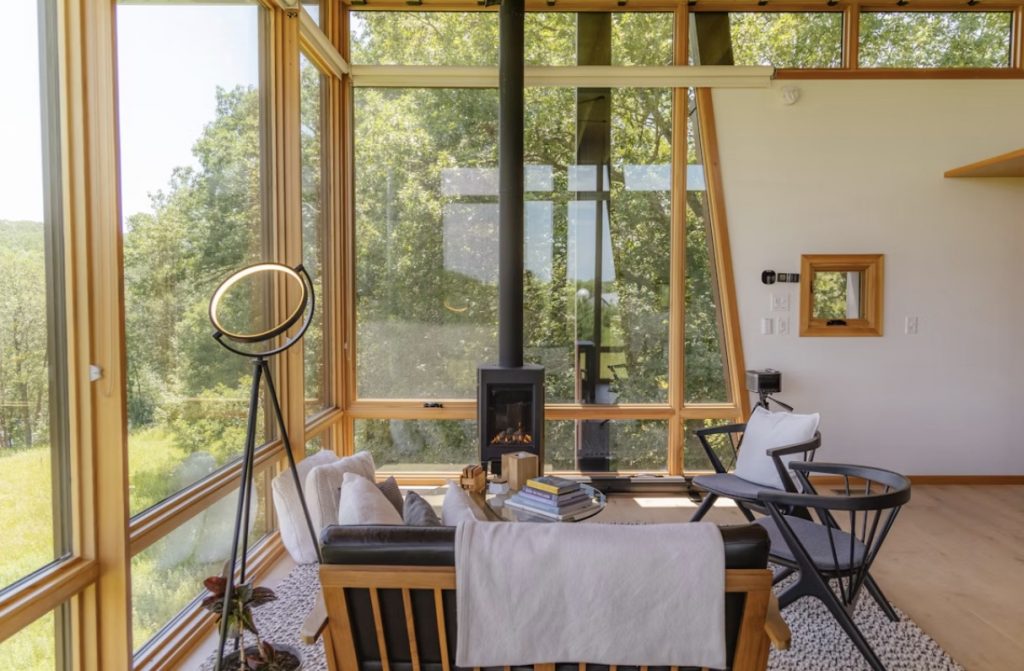
This year’s design direction is less about show and more about feel. Warmth replaces starkness. Texture replaces excess pattern. Function adapts to daily life. Choose materials that age gracefully, technology that stays out of the way, and pieces that tell your story. That combination is why these trends are not just taking over. They are here to stay.

0 Comments