

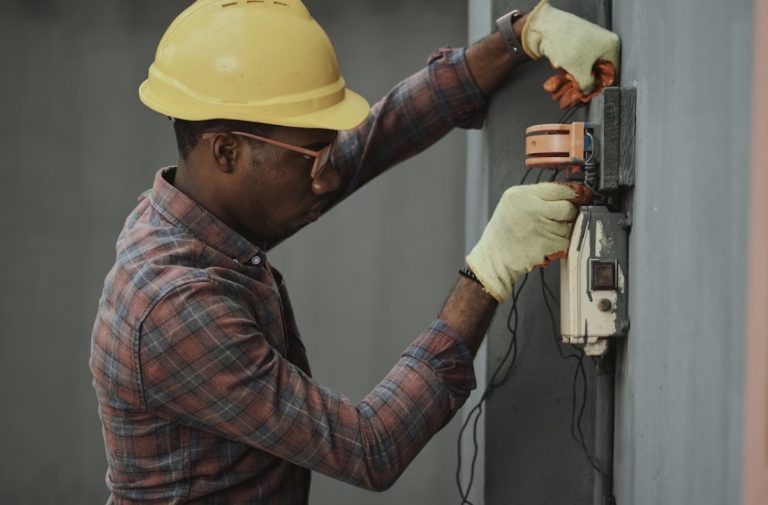

The allure of DIY projects often tempts people to tackle electrical work at home. Renovations and repairs can feel rewarding, yet this area demands strict caution. Improper electrical work causes damage, injury, and loss. Mistakes threaten life and property, so a clear view of the risks matters. Hiring skilled professionals for electrical tasks protects your home and the people in it.
Understanding Electrical Systems
Electrical systems form complex networks that move power safely through a house. A typical setup includes wiring, circuit breakers, outlets, and switches. Each component serves a specific role, and each connection must meet exact standards. Faulty choices in any part can trigger system failures and safety hazards. Statistics show that faulty electrical work causes thousands of house fires every year, which reinforces the need for deep knowledge and precise execution.
Many homeowners misjudge the learning curve. A quick video or brief article skips critical steps and edge cases. Voltage requirements, load calculations, grounding, bonding, and GFCI placement require training and practice. A small error can energize a metal box, overload a circuit, or disable protective devices. Rather than risk personal safety, one should consider using A1 Plus professional electrical services, which bring expertise and reliability to your electrical needs. Licensed pros plan circuits, verify capacity, and test every connection with calibrated tools.
The Risks of DIY Electrical Work
DIY electrical work introduces serious hazards with lasting consequences. Electrical shock ranks at the top of the list. The Electrical Safety Foundation International reports roughly 400 electrocution fatalities per year, with many in residential settings. Touching a live conductor or a miswired neutral can stop a heartbeat in seconds. People get hurt when they skip lockout procedures, rush a fixture swap, or assume a breaker controls the right run.
Fire hazards follow close behind. Loose terminations, overloaded breakers, and undersized conductors create heat and arcing. A single backstabbed receptacle can smolder inside a wall and ignite nearby material. Insurance carriers often deny claims when unlicensed work causes the loss, which adds financial strain to a dangerous event. You safeguard your home when you choose trained electricians who verify torque specs, conductor sizes, and protective device ratings.
The Importance of Proper Tools and Equipment
Pros rely on specialized tools that deliver accuracy and safety. Electricians use voltage testers, multimeters, torque screwdrivers, fish tapes, insulated drivers, and arc-fault testers. Homeowners rarely own this gear or know how to interpret the readings. The wrong tool can deform a lug, leave a conductor loose, or damage insulation. A loose socket builds resistance, which creates heat and invites fire.
Professionals follow proven workflows. They de-energize circuits, confirm zero energy with a tester, label conductors, and document changes. They tighten terminations to the manufacturer’s spec and test the circuit under load. This process reduces rework and prevents hidden defects. You gain a safer home and reliable results when the right equipment and methods guide the job.
Building Codes and Regulations
Every state and municipality enforces electrical codes that protect occupants and property. These rules address conductor sizing, breaker types, GFCI and AFCI protection, box fill, grounding, bonding, and more. Many tasks require permits and inspections. DIY work often misses these steps, which leads to fines, failed sales inspections, and insurance disputes. Noncompliant wiring also puts people at risk.
Licensed electricians track code changes and apply them on-site. They select listed components that match the application, route cables correctly, and secure permits when required. Inspectors then confirm compliance. This process adds accountability and transparency. You avoid legal issues and gain confidence that the system meets current standards.
Long-Term Cost Considerations
DIY electrical work can appear cheaper at first glance, yet hidden costs pile up quickly. Miswired fixtures shorten component life. Overloaded circuits trip breakers and cause nuisance outages. Poor connections raise energy use and wear down appliances. A single mistake behind a wall can require drywall repair, repainting, and full circuit remediation.
Professional work prevents repeat visits and surprise failures. An electrician diagnoses root causes, sizes circuits for future loads, and documents the installation for resale value. You save time, reduce risk, and protect your budget when the job gets done correctly the first time. Reliable wiring supports safe living and smooth daily routines.
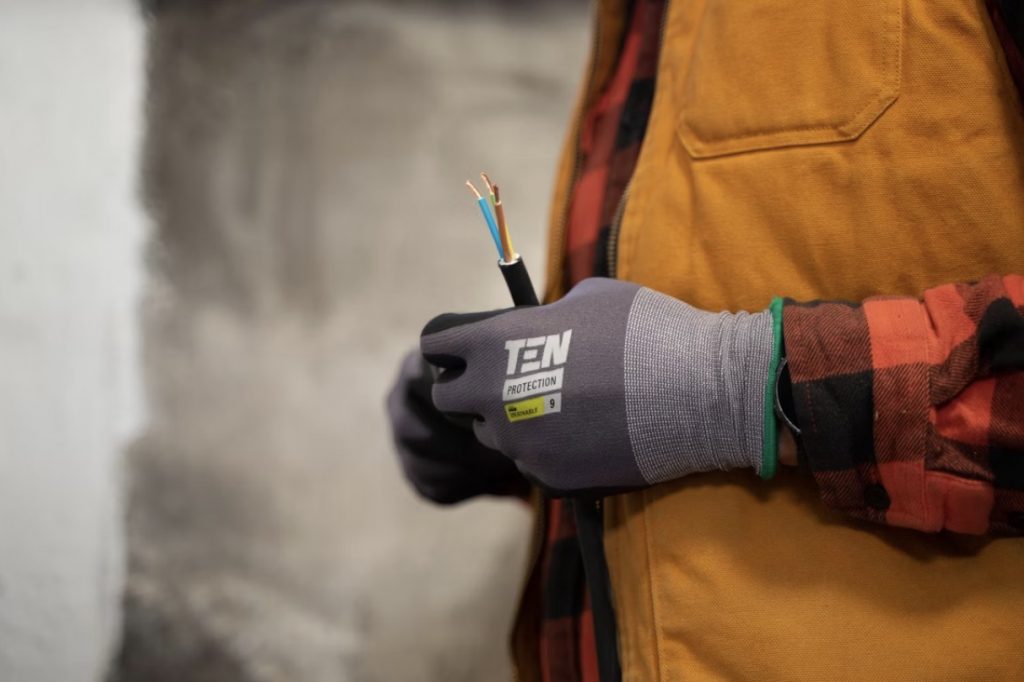
DIY electrical work carries real danger. Shock, fire, code violations, denied claims, and chronic system problems outweigh any short-term savings. Tools, training, and permits create a robust safety net that casual projects cannot match. Trust licensed professionals for electrical tasks and keep your home safe, compliant, and dependable. When your system needs attention, choose trained electricians who build durable solutions and verify every detail.

0 Comments