



Courtroom dramas captivate audiences with sharp dialogue, shocking twists, and perfectly timed revelations. Real legal cases unfold with the same intensity, only without a script. Behind every trial, investigation, and verdict lies a story filled with unexpected turns, human emotion, and strategic maneuvering. These stories shape lives, communities, and legal systems, often carrying consequences that reach far beyond what any film can capture.
Unpredictable Twists Define Real Cases
Legal narratives rarely follow a straight path. A case may begin with a clear theory, only for investigations to reveal layers of complexity. Witness testimonies shift, evidence surfaces unexpectedly, and new information forces attorneys to rethink their strategies. A single overlooked document, a sudden confession, or a forensic breakthrough can change the entire direction of a case.
Attorneys learn to anticipate change and stay flexible under pressure. They prepare meticulously but adapt quickly when the unexpected happens. These twists give real legal battles the kind of intensity that keeps everyone involved alert and engaged from start to finish.
Strategic Expertise Shapes Outcomes
Legal expertise often determines whether unexpected developments turn into opportunities or obstacles. Preparation involves gathering evidence, analyzing testimony, and anticipating opposing arguments. Defendants rely on skilled counsel to navigate complex legal systems and protect their rights. As stated by an experienced Grand Rapids criminal attorney, working with a legal professional provides critical insight when sudden changes threaten to derail a defense strategy. Skilled lawyers draw on their experience to adjust their approach without losing control of the narrative.
Strategic lawyers identify weak points in the prosecution’s case, highlight inconsistencies, and build arguments that resonate with judges and juries. Their ability to respond dynamically often influences verdicts more than initial case strength alone.
Evidence Builds Stories Beyond Words
Evidence speaks louder than testimony. Physical artifacts, digital records, and forensic results offer information that human memory might overlook or distort. Fingerprints, DNA analysis, and digital communication logs create timelines that establish facts independently of subjective accounts.
Technology has transformed how evidence functions in the courtroom. Data from cell phones, surveillance cameras, and financial transactions helps attorneys build narratives grounded in verifiable details. Expert witnesses translate complex findings into language that juries understand, connecting data points to human behavior in compelling ways.
Human Behavior Drives Courtroom Dynamics
Courtrooms bring together people with different motivations, fears, and interpretations of events. Witnesses may falter under questioning, revealing inconsistencies that reshape arguments. Jurors bring their perspectives to the deliberation room, influencing how facts are interpreted. Attorneys adjust tone, phrasing, and body language to connect with juries while challenging opposing testimony effectively.
Judges guide proceedings through rulings, interpretations of precedent, and decisions on the admissibility of evidence. Their judgments create the framework within which all legal strategies unfold. The unpredictable nature of human behavior ensures that no two trials are ever identical.
Media And Public Perception Add Pressure
High-profile cases attract attention that shapes the courtroom environment. Media coverage influences public opinion, which can indirectly affect jury pools and legal strategies. Attorneys must balance courtroom performance with public statements, maintaining credibility in both arenas. The added scrutiny amplifies every decision, raising the stakes for defendants, prosecutors, and legal teams.
In some cases, media narratives diverge sharply from courtroom realities. This tension underscores how real justice unfolds in spaces where facts, perception, and storytelling intersect in unpredictable ways.
Legal Systems Reflect Social Realities
Courtrooms mirror broader social structures and tensions. Legal decisions reveal how laws interact with cultural expectations and institutional frameworks. Cases involving systemic issues can spark reform when flaws in legal processes become visible. Shifts in sentencing guidelines, evidence rules, or procedural safeguards often stem from real cases that highlight gaps in existing systems.
Communities follow these stories because they expose how justice functions in practice. Each verdict sets precedents that influence future interpretations and decisions, weaving individual cases into the evolving fabric of legal history.
High Stakes Create Lasting Impact
Unlike films, real cases carry consequences that linger long after the verdict. Defendants face reputational damage, incarceration, or redemption. Victims and families navigate emotional and legal outcomes that affect their lives for years. Communities absorb the ripple effects, influencing trust in institutions and shaping collective memory.
Legal professionals approach each case with the awareness that their strategies and decisions hold real weight. Every objection, motion, and closing argument influences lives, sometimes irreversibly. This gravity makes each legal battle both compelling and deeply consequential.
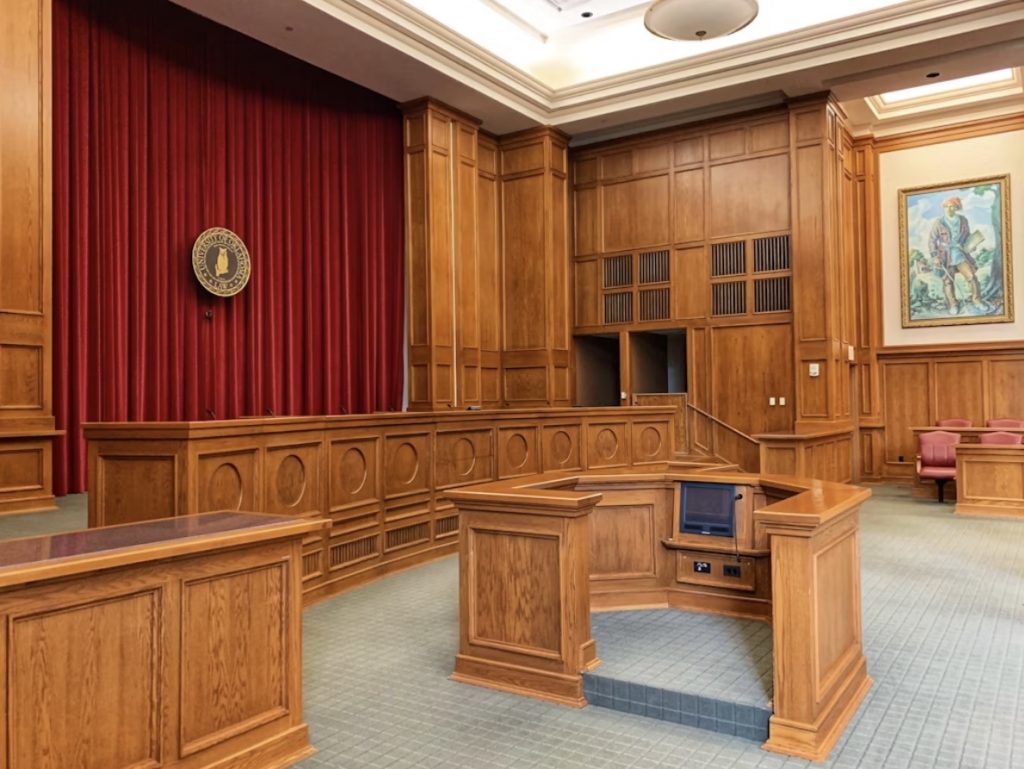
The real side of justice rivals cinematic stories through unpredictable twists, strategic maneuvering, and deeply human dynamics. Evidence weaves narratives that shape verdicts, while experienced legal professionals adapt to evolving challenges. Courtrooms reflect society, media amplifies stakes, and outcomes leave lasting marks on lives and institutions. Behind each headline lies a story of preparation, resilience, and human complexity that no movie can fully capture.

0 Comments