

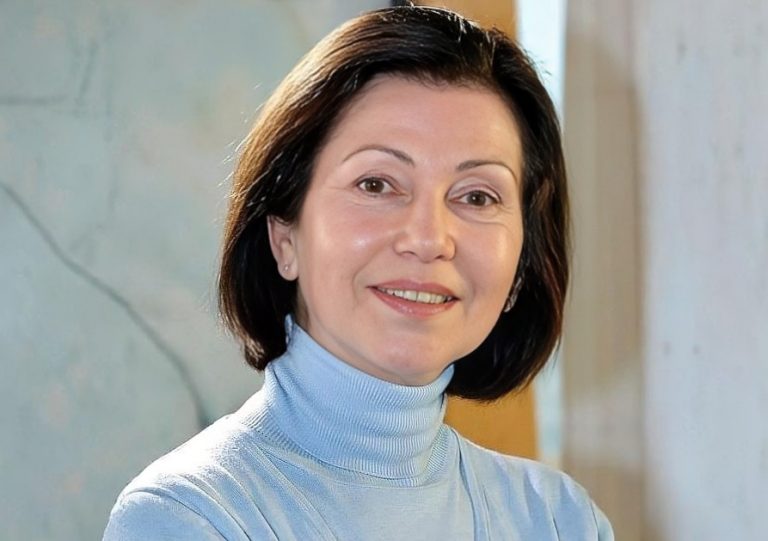

Renate Blume is a name that stands associated with the history of cinema and television in Germany. With her irresistible screen presence, richness of emotion, and ability to portray vulnerability and toughness simultaneously, she was a legendary actress of the GDR’s era. She began her career in the heyday of political and artistic revolution, and yet managed to break the shackles of the time to deliver performances that remain relevant even today. Through the decades, she acted in more than 70 plays and left behind a legacy of talent, honesty, and poise that inspires fans and artists alike even today.
Her name will be familiar only with those who value old-fashioned European films, yet Renate Blume’s life goes far beyond the stage and screen. She has experienced love and tragedy, and the fluctuating fortune of a reunified and divided Germany. Her story shows that a woman can be very determined to follow her acting dream, even if it seems like fate is against her. She trained as a child in Dresden and later married the famous actor and activist Dean Reed. Blume’s life has been full of hard work and creativity. This shows that there was real talent outside political or national ties.
Quick Bio
| Name: | Renate Blume |
| Birthday: | May 3, 1944 |
| Age | 81 |
| Birth Location | Bad Wildungen, Germany |
| Ethnicity | Caucasian |
| Nationality | German |
| Religion | Christianity |
| Zodiac sign | Taurus |
| Occupation: | Theater And Movie Actress |
| N/A |
Who is Renate Blume?
Renate Blume was born in Bad Wildungen, Germany, on May 3, 1944. She grew up during the years after World War II that changed the country’s cultural and social character. Her natural talent as an actress and her grace made her a household figure in East Germany. She had many friends in the film industry and among moviegoers. She proceeded to appear in more than seventy films and television productions, ranging from drama and romance through to political cinema. Her performances were marked by emotional sensitivity, subtlety, and an acute human insight which set her apart from the vast majority of her contemporaries.
In addition to acting, Blume contributed to the cultural legacy of Germany through association in high-profile film festivals and performing arts. She was even requested to sit on the jury for the 14th Moscow International Film Festival in recognition of her global celebrity status. Her acting shows the art of East German cinema—a genre in which art had to oblige the government. And even within those constraints, Blume’s professionalism and integrity allowed her to thrive, and she was a fountain of artistic freedom and integrity in her profession.
Early Life
The early life of Renate was spent amidst post-war cultural deprivation and artistic desire. She resided in Dresden, the city of rich cultural heritage, where she was drawn to the theatre at an early age. She started by studying ballet at the prestigious Palucca School of Dance, where she had a natural ability for expressing herself with movement. Early training gave her emotional sensitivity and bodily awareness that would become a hallmark of her acting for film and stage. Though her parents had hoped for a more traditional vocation for her, Renate’s love of the arts won out over heritage.
Determined to forge her own path, she applied in secret to the State Drama School in Berlin—a move that changed her life for the better. There she studied the art of acting, theater, and characterization. Her dedication was a quick impression to teachers and directors, who were cognizant that she possessed great potential to be one of the greatest actresses of her time. Before graduating, she had already landed her first leading film part, setting the stage for a long and productive career that would have her performing in East and West German circuits shortly thereafter.
Career Beginnings
Renate Blume’s initial professional outing was in 1964 in the film Der geteilte Himmel (“Divided Heaven”) directed by Konrad Wolf. It was in this historic role that she played Rita Seidel, a woman whose love and fidelity were torn asunder in post-war Germany in the Cold War. The film was both critically and culturally acclaimed, gaining her international stature, and launched Blume to stardom overnight. Her understated performance as Rita encapsulated the intensity of emotion and character in a polart society and solidified her talent at acting strong, socially aware heroines early on in her career.
After her initial success, Blume worked consistently throughout the 1960s and 1970s, acting for film and television productions working on East Germany’s DEFA studio. Her acting repertoire was breathtaking—she played anything from ancient heroines to contemporary women grappling with the complexities of life in the present day. Even though she was performing in a state-run sector, she was still able to maintain artistic content and integrity in her acting. Her resistance to being influenced by political trendiness and her determination on the gravity of her office made her a source of integrity in the cultural scene of East Germany.
Who Was Renate Blume Husband?
The private life of Renate Blume attracted nearly as much attention as did that of her career. In 1969, she wed Frank Beyer, the best film director of East Germany. Her marriage to Beyer was that of two artistic intellects, and the couple were two of the most esteemed of East German film’s couples. They had a son, Alexander, who would eventually take up the artistic mantle of his parents as well. But like so many of the marriages forged by the force of demanding professional careers and shifting political climates, they divorced in 1975.
Following her break-up with Beyer, Renate had an affair with Yugoslavian-born actor Gojko Mitić, who was famous for his starring roles in East German Westerns. She fell in love with Dean Reed, an American actor, singer, and activist. When she married him in 1981, people all across the globe knew her because Reed was a troublemaker who was politically engaged and relocated to East Germany. Reed’s abrupt and unexplained death in 1986 terminated her affair, which left Blume very sad. In spite of personal tragedies, she continued to pursue her career with inner strength and dignity, earning the admiration of audiences who respected both her resilience and dedication.
Renate Blume’s Physical Appearance
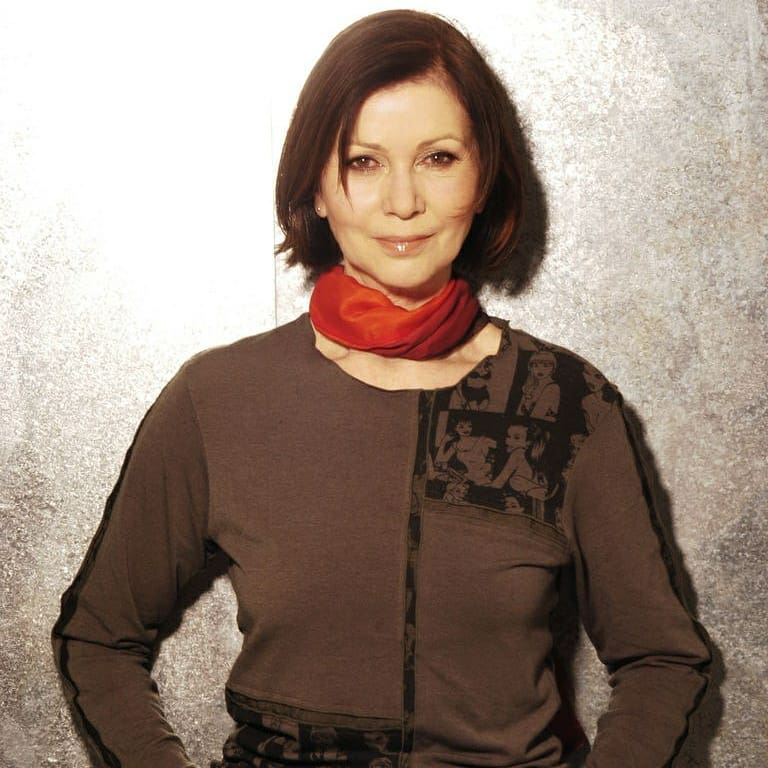
Standing about 165 centimeters in height (5 feet 5 inches), Renate Blume possessed classic European features. She was slender, with an intense gaze and an air of dignity, and possessed traditional beauty that could be so easily conveyed on the screen. She would be typecast early on in roles that required natural charm—bright, elegant, and psychologically rich women. Her looks became varied throughout the decades, but she did not lose that unpretentious and dignified bearing that became her trademark.
Blume’s screen presence was that of an intelligent, friendly, and quietly self-assured woman. She avoided scandal and enjoyed a professional image throughout her career—a show business rarity. Her ability to convey emotional vulnerability with inner fortitude fascinated not just audiences but also established her as an icon for up-and-coming actresses as well. She was the type of artist who cared more about authenticity than her notoriety, and she is still well regarded today for the commitment to presenting the stories that must be shared to the world.
Net Worth
While Renate Blume’s net worth was never actually quantified, her prolific and long-lasting career suggests that she did achieve financial stability and professional respect never previously realized by many of her peers. Unfounded gossip places her value at the low millions, but these are hearsay. Something that cannot be doubted is that her true wealth is her cultural heritage and body of work as a filmmaker she has left behind. Years after her initial film, her films continue to be read and enjoyed as classics of East German cinema’s filmmaking skill.
Blume’s work is not merely acting. Her dedication to craft and oeuvre in the film festivals and cultural activities also make her a power to be contended with in upholding the tradition of German cinema. Even in retirement, she inspires filmmakers and audiences alike who admire her subtlety and emotional honesty. She identified with her characters, the spirit of an era when politics and aesthetics mixed, and imprinted an impenetrable signature on the European filmography.
Social Media
As opposed to the majority of actors today, Renate Blume never possessed an Instagram or X account. She was a celebrated actress during the pre-internet age, and she has chosen to remain detached from Instagram or X. Nevertheless, her films are accessible in the shape of fan sites, archive clips, and retrospectives of East German films. Her fans keep uploading vintage pictures, interviews, and clips of her acting career, so that her work is not erased from the memory of the upcoming generations.
In a world where all other stars are pinning their longevity on the web, Blume’s longevity outside of the web is a testament to her own legend. Her image continues to haunt documentaries, scholarly articles, and film festivals that continue to revere her films. She is a reminder of a generation of artists whose art was so much more vocal than they were, and above trend and technology. To most of us movie fans, being treated to her films is a proof that real beauty and excellence never grow old.
Future Prospects and Legacy
Despite Renate Blume having retired from acting in recent years in success, her legacy lives on. Her final significant screen role was in 2011, which was almost five decades of contribution to television and film. She is today often cited when German film history is remembered and recalled as being among the many actresses who enjoyed a steady career before and after reunification in Germany. Her professional attitude and flexibility have won her respect both from academics and artists.
Now that she prefers quieter living, Blume’s legacy can live on as a teacher, mentor, or guest in retrospectives and documentaries about East German cinema. Her story is not simply one of personal achievement but a page in the life of a nation, its culture, and its transition. Whatever it is, as either through her early acting career or her continued cultural prominence, Renate Blume is an ageless icon of film history.

0 Comments