

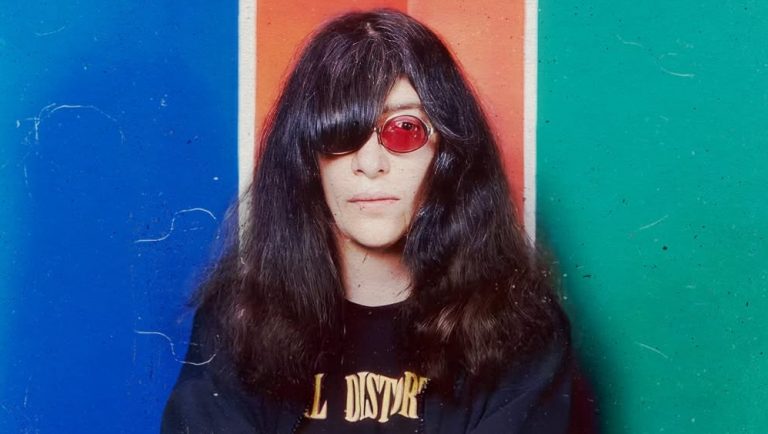

Joey Ramone is not only affectionately remembered as The Ramones’ frontman but also as the greatest punk rock icon of all time. His tall stature, distinctive voice, and rebellious spirit defined a whole movement and impacted many musicians who succeeded him. Even now, years after his death, his legacy still holds strongly within music, fashion, and the rebellious culture that punk embodies.
Joey, who was born Jeffrey Ross Hyman in Queens, New York, rose from a humble background and personal adversity to become a global celebrity. With his long hair, leather jacket, and dominant stage demeanor, he personified independence and resistance. As more than a singer, Joey represented raw emotion and resilience of punk. His is the story of grit, imagination, and impact, leaving music and memories that cross generations.
Quick Bio
| Name: | Jeffrey Ross Hyman a.k.a Joey Ramone |
| Birthday: | May 19, 1951 - April 15, 2001 |
| Age | 49 |
| Birth Location | Forest Hills, New York, USA |
| Ethnicity | Caucasian |
| Nationality | American |
| Religion | Christianity |
| Zodiac sign | Taurus |
| Occupation: | Singer, Songwriter |
| N/A |
Who was Joey Ramone?
Joey Ramone was born on May 19, 1951, and would become the lead singer of The Ramones, arguably the best punk rock band in the history of music. Joey led a revolution in music during the 1970s with his abrasive, nasal voice and gregarious demeanor on stage. The Ramones’ minimalist style, which included short songs, simple chords, and straightforward lyrics, was a deliberate response to the glossy, produced-to-a-t glossy rock bands that were at the top of the charts at the time. Joey emerged as the public face and voice of this new music craze.
As much as a singer as he was a symbol for punk itself, Joey stood tall throughout his life. Thin, gaunt, with dyed shades and a leather jacket, he was an instant icon. While mainstream commercial success was frequently refused The Ramones, their influence was huge, opening the door for acts as varied as Green Day and Nirvana. Joey’s role in this shift in culture solidified his place as one of the most influential voices within modern music.
Early Life
Raised in Forest Hills, Queens, Joey did not exactly have a privileged upbringing. Of Jewish heritage, he was exposed to his parents’ early divorce and was raised primarily by his mother, Charlotte Lesher. His childhood was plagued with health issues and feeling like he could not fit in with the rest of the world. Joey was born with medical issues and continued to have obsessive-compulsive disorder and possibly schizophrenia, only making his adolescence more difficult.
In spite of these hardships, Joey found comfort in music. It was nurtured by his mother, who even bought him his first drum using supermarket stamps. When he was a teenager, he came across rock and roll as well as its counterculture. Joey attended Forest Hills High School, where he was introverted but shy but was a performing and creative person. Music was his refuge, providing him with a sense of direction and a means of connecting to the world.
Career Beginning
Prior to the day he became the voice of The Ramones, Joey tried out various musical positions. During the early 1970s, he drummed for a glam rock band called Sniper, where he initially began to explore performance. While he was not a frontman initially, it was apparent that he had a special something about him, both in personality and voice. His keen insight into the essence of rock eventually transformed him into the frontman he became.
During 1974, Joey began working with John Cummings (Johnny Ramone) and Douglas Colvin (Dee Dee Ramone) and together they created The Ramones. Originally put on drums, Joey soon took over lead vocals, where he shone. The band started gigging at CBGB, the legendary Manhattan club that would become the hub of punk. Their style—brisk, hard, and unashamed—struck chord upon chord. Despite a long-time coming mainstream following, Joey and the band held on, eventually amassing a devoted following that would alter the course of rock history
What Happened to Joey Ramone?
Joey’s life was turned aghast in the 1990s when he was diagnosed with lymphoma, an illness. He did not let his sickness hold him back from doing music, however. He kept recording, performing, and inspiring music fans as well as recording right up until a few months before his death. His persistence at working despite his health issues reflected the same fortitude and perseverance that had gotten him through previous difficulties in life.
Tragically, Joey died in his fight against cancer on April 15, 2001, at the age of 49. His death was a huge blow not only to fans of punk music but to the entire music world. Paying tributes flowed in from all corners of the world, recognizing his work in the genre as well as the transcendence of his music. Although his life was brutally cut short, Joey Ramone’s legacy only grew stronger after his death, making him one of the most lasting figures of punk.
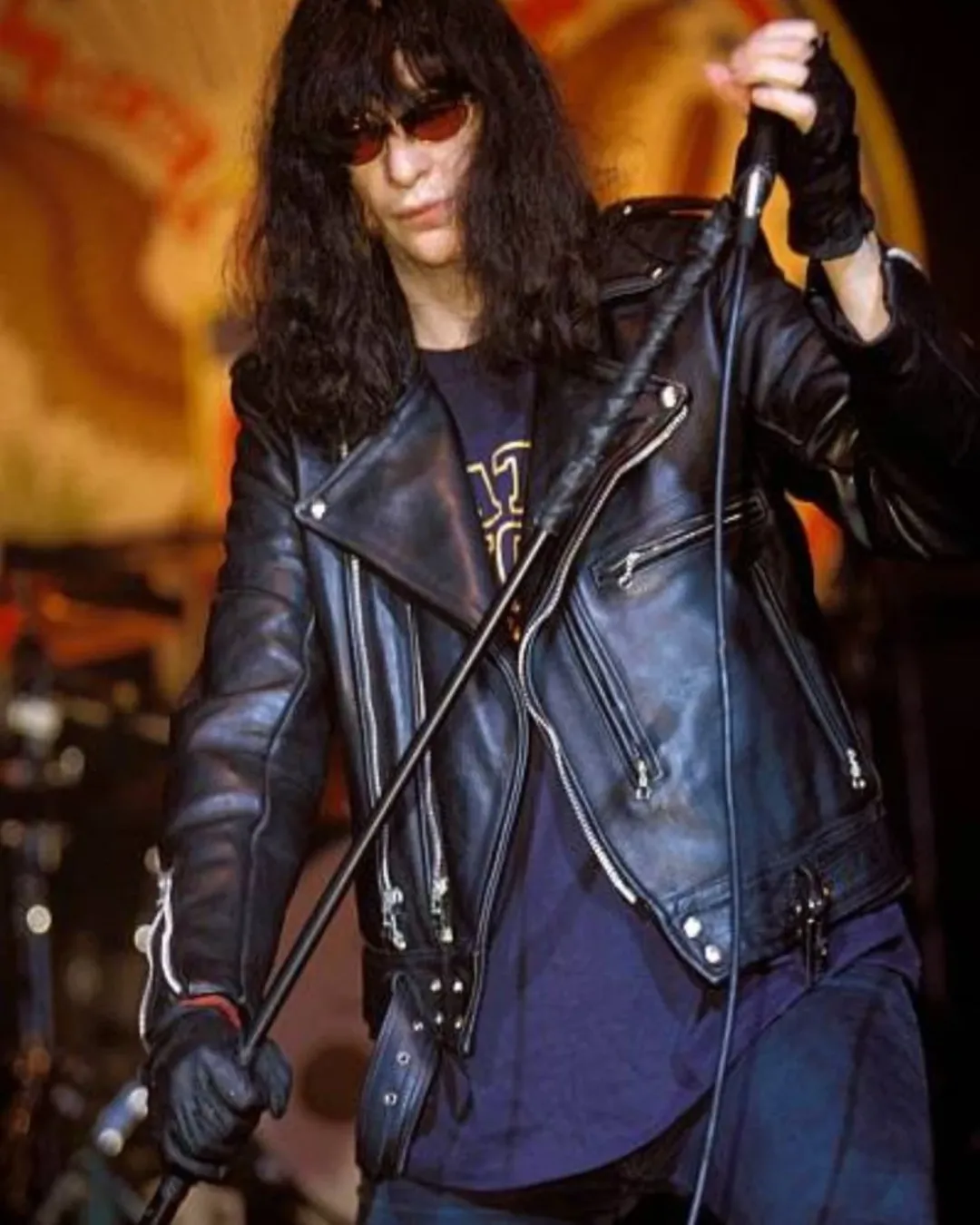
Joey Ramone’s Physical Appearance
Joey Ramone was immediately recognizable due to his gangly stature and recognizable look. Towering about 6′6″ (198 cm) tall, his lanky, tall body towered over the rest of the band during performances. With his long, black locks usually hanging down over a portion of his face, his stage presence was recognizable. Offstage, however, his reserved offstage personality was a stark contrast to the energy he brought to the stage.
His signature look was colored tints, frayed jeans, and the leather jacket that was everywhere—an ensemble that became the punk rock norm for generations of musicians and fans. His attire was as much a legacy as his music was. Joey’s style captured rebellion, nonconformity, and unpolished authenticity that characterized punk. His appearance is the identity of the punk movement for most individuals.
Net Worth
At the point of death, Joey Ramone’s net worth was around $4 million to $6 million. The majority of his income derived from collaborating with The Ramones, and royalties from their extensive song catalog. T-shirts and posters also added to his financial inheritance, as The Ramones’ logo and appearance became among rock music’s most iconic images.
But Joey’s legacy after death was contested, as multiple contestants vied to claim The Ramones’ name and music rights. That notwithstanding, his economic contribution far exceeded the figures in dollar terms. His art and culture continue to earn money today, as the generations keep discovering The Ramones. More than that, his real wealth lies in the enduring impact of his work.
Legacy
Joey Ramone’s legacy is in no way debatable. With The Ramones, he helped co-write and popularize punk rock, giving power to decades of musicians and shaping contemporary rock music.Despite their lack of early economic success, the Ramones’ influence grew over time, as evidenced by artists like The Clash, Green Day, and Nirvana naming them as influences. Nowadays, many people agree that their songs are the origins of the punk movement.
The world honors Joey by remembering him. In his honor, Joey Ramone Place, a street in New York close to CBGB, was named. His followers also keep him alive in everyone’s hearts by celebrating his birthday annually with the Joey Ramone Birthday Bash. The Ramones’ impact was cemented in 2002 when they were admitted into the Rock & Roll Hall of Fame. Joey continues to embody revolt, individuality, and inventiveness in her songs, appearance, and personality.

0 Comments