

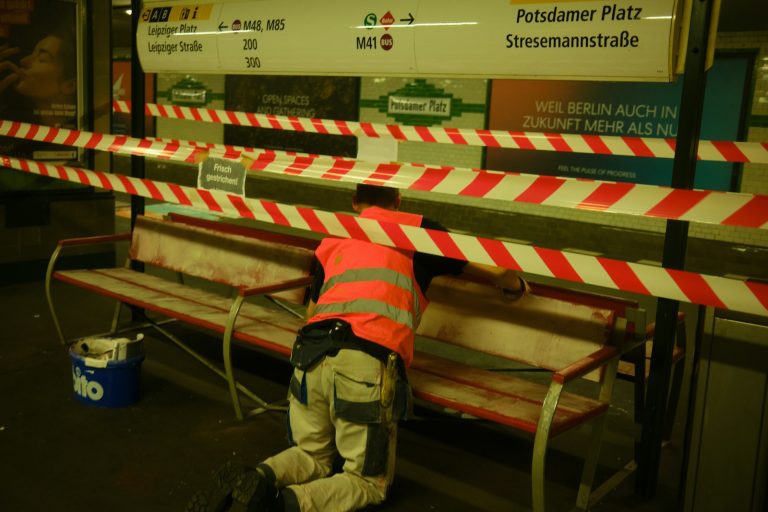

In industries where equipment and facilities drive daily operations, maintenance simply isn’t optional. It’s also not enough to perform maintenance only when something breaks or begins to show signs of major wear.
Instead, preventative maintenance compliance means following a structured schedule of inspections, servicing, and repairs designed to stop problems before they occur. For many companies, this is more than just a best practice; it’s a regulatory requirement. Ultimately, preventative maintenance compliance can make the difference between a smooth-running operation and a costly, unsafe disruption.
The Link Between Compliance and Safety
One of the most important reasons for preventative maintenance compliance is safety for your employees and third parties. Heavy machinery, electrical systems, and construction equipment all pose significant risks when neglected. When organizations follow maintenance schedules, they reduce the chance of malfunctions that could injure workers or even cause fatalities.
In the construction industry, for example, preventative maintenance on cranes, scaffolding, and harness systems directly lowers the likelihood of accidents. Regulators such as OSHA often require proof of regular maintenance to ensure companies are keeping equipment safe to use. Noncompliance doesn’t just raise the risk of direct physical harm; it can also result in steep penalties and liability in the event of an accident.
Compliance Protects Business Continuity
Downtime is expensive for businesses. When a key machine suddenly fails, production stalls, deadlines slip, and revenue takes a hit on multiple fronts. Preventative maintenance ensures that equipment is inspected and repaired before small issues turn into major breakdowns. Compliance with maintenance schedules helps businesses predict costs more accurately, extend the life of their assets, and avoid unplanned outages that ripple through operations.
For companies working with complex supply chains, even a short disruption can have long-lasting effects. A single piece of equipment sitting idle might delay shipments, create bottlenecks, and frustrate clients. It’s therefore helpful to think of compliance as more than just checking boxes; it’s about protecting the flow of your entire business.
Financial Implications of Noncompliance
It’s easy to view preventative maintenance as an expense, but the cost of noncompliance is far greater. Repairs for catastrophic failures can be exponentially more expensive than the routine upkeep that would have prevented them. Insurance premiums can rise when companies have repeated incidents tied to neglected maintenance. Lawsuits, regulatory fines, and reputational harm can add to the financial burden.
On the flip side, compliance can produce long-term savings. Well-maintained equipment consumes less energy, performs more efficiently, and lasts longer before needing replacement. The upfront investment in compliance often pays for itself many times over.
Regulatory and Legal Considerations
For many industries, preventative maintenance isn’t up to a company’s discretion. Instead, it’s a formal legal obligation. Aviation, healthcare, transportation, and construction are heavily regulated, with strict requirements for routine checks, and regulators want assurance that equipment meets safety standards and that companies are documenting every step.
Failing to comply not only risks fines but also weakens a company’s position if an accident leads to litigation; courts often look at maintenance records when determining liability. A business that cannot show proper compliance may be judged negligent, leaving it responsible for damages. Keeping detailed, up-to-date records is as important as performing the maintenance itself.
Cultural Benefits of Compliance
There’s also a less obvious but equally important benefit: workplace culture. When companies take maintenance compliance seriously, they send a message that safety and reliability matter, building or reinforcing safety culture. Employees are more likely to respect equipment, follow procedures, and take pride in their work. Conversely, when compliance is ignored, it can breed carelessness and mistrust. Workers may cut corners, assume management doesn’t prioritize safety, or lose faith in leadership.
Creating a culture of compliance builds confidence throughout the organization. Your employees will know they are working in a safe environment and that the company values their well-being.
Leveraging Technology to Improve Compliance
Modern technology makes preventative maintenance compliance more manageable than ever. Digital tracking systems, IoT-enabled sensors, and automated alerts can notify managers when equipment needs servicing. Additionally, electronic records reduce the risk of lost paperwork and provide quick access during inspections.
Companies that invest in technology not only improve compliance but also gain valuable data about performance trends. Predictive analytics can identify patterns and forecast when components are likely to fail, allowing businesses to take action even earlier than a schedule alone would dictate.
Putting It All Together
Preventative maintenance compliance is fundamentally about protecting people, ensuring business continuity, and safeguarding financial health. Your strict and consistent adherence demonstrates responsibility to employees, regulators, and customers alike. By taking compliance seriously, companies can reduce accidents, avoid costly breakdowns, and strengthen their reputations. And in industries where the stakes are high, maintenance becomes a cornerstone of long-term success.

0 Comments