

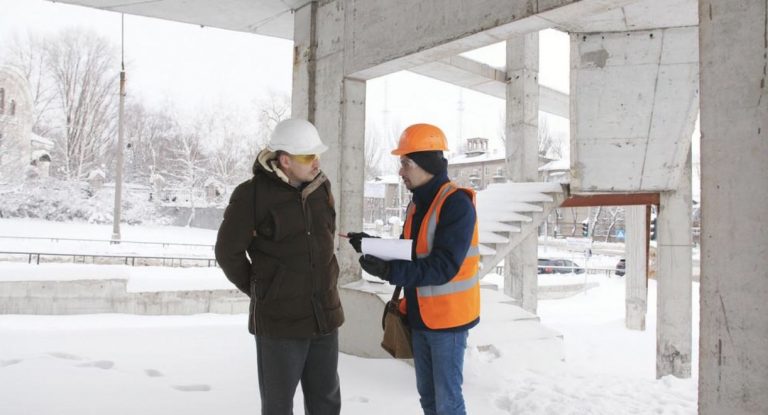

Construction in Cold Climates
Construction in cold climates brings about unique challenges that aren’t typically encountered in warmer regions. The frigid temperatures can significantly affect the construction timeline, materials used, and even the structural integrity of projects. Builders and property developers must consider several factors to ensure that their projects are not only completed on time but also sustainable and durable. When planning a construction project, it is crucial to assess how cold weather conditions can influence the overall outcome. This introductory insight sets the foundation for exploring key considerations critical to successful construction in these harsh environments.
Cold climates require specialized construction materials that can withstand low temperatures without compromising performance. For instance, certain roofing materials cannot be properly installed when the mercury dips too low. According to IKO Industries Ltd, architectural shingles should not be applied in areas where temperatures fall below 40°F, indicating the necessity for alternative materials or adjusting construction schedules accordingly. Choosing the right materials is just the beginning; the entire construction process may need to be adapted to suit the chilly weather conditions. This adaptability ensures that homes and other structures remain safe and functional.
Another primary concern in cold climates is managing construction costs, which can be influenced by seasonal and geographical factors. Renting equipment rather than purchasing it is a strategy often employed to manage expenses. According to Reservety, about 84% of construction companies in the U.S. rent their equipment instead of owning it, highlighting the cost-effectiveness and flexibility of this approach. This strategy can be particularly advantageous in cold regions, where certain equipment might only be required periodically and would otherwise sit idle. Effective cost management allows construction companies to allocate resources more efficiently, further ensuring project success.
Material Considerations and Adaptations
Selecting the appropriate materials for construction in cold climates is essential to project success and longevity. Builders must consider durability and thermal efficiency when choosing materials for foundations, walls, roofs, and insulation. Insulating materials, for instance, play a pivotal role in maintaining a home’s internal temperature, which can evidently impact energy consumption and comfort. Materials that are resilient to freeze-thaw cycles are particularly important to prevent long-term structural damage. Ultimately, the right material choices contribute to constructing homes that are warm, energy-efficient, and resistant to the elements.
Besides structural materials, home construction in cold climates involves adaptations to roofing systems and exteriors. Cold weather can negatively impact the installation of roofing components, which if not addressed adequately, may lead to future issues such as leaks or wind damage. According to IKO Industries Ltd, stepping away from architectural shingles in temperatures below 40°F may be necessary to maintain the quality of installations. Alternative roofing systems or temporary climate-controlled environments for installation can mitigate potential installation problems. Ensuring these considerations are in place is integral to safeguarding homes against the challenging winter months.
Homeowners Insurance and Risk Management
In addition to material and cost considerations, managing risks associated with cold climate construction is an ongoing challenge. Properties face various hazards from extreme weather conditions including heavy snowfalls, ice buildup, and strong winds. Homeowners insurance plays a pivotal role in protecting investments by covering a range of structural damages. According to Nerd Wallet, policies including “other structures” coverage typically extend up to 10% of a homeowner’s total dwelling coverage, providing a financial safety net for external features like sheds or detached garages. Such insurance considerations are crucial for maintaining the value and integrity of properties over time.
Ensuring adequate risk management measures during construction can prevent costly future repairs. Implementing designs that cater to snow load capacities and ice dam prevention help protect homes from structural failures. Design considerations, such as steep roof pitches and proper ventilation, are crucial in preventing ice dams and reducing the risk of water infiltration. Builders must work closely with insurers and clients to ensure that the properties not only meet local building codes but are also designed to withstand environmental stresses. These forward-thinking strategies form an essential part of comprehensive risk management.

0 Comments