


Recovering from an injury often brings more than just physical challenges. Beyond the immediate pain or discomfort, injuries can disrupt daily routines, affect mental well-being, and complicate long-term health maintenance. Whether it’s a sports-related injury, a fall, or post-surgical recovery, maintaining health during this period requires a thoughtful approach. Understanding the balance between rest and activity, nutrition, mental wellness, and professional guidance can make a significant difference in how effectively the body heals and regains strength. This guide explores practical considerations for preserving physical and mental health after an injury, helping you return to your daily life safely and effectively.
Understanding Your Physical Limits
After an injury, the body needs time to heal, and recognizing physical limits is crucial. Pushing too hard too soon can worsen the injury or lead to secondary issues, such as muscle strains or joint problems. Listening to your body, monitoring pain levels, and understanding what movements are safe are important practices. Working with healthcare providers to set realistic activity goals helps create a structured recovery plan. Gradually reintroducing movement and exercise under professional guidance ensures muscles and joints regain strength without causing additional damage. Being patient and respecting your limits can prevent setbacks and encourage long-term recovery.
Ensuring Peace of Mind
Recovering from an injury or navigating a complex accident can be stressful, physically and emotionally. Ensuring peace of mind during this time involves taking steps to reduce uncertainty and protect your rights. Consulting with a lawyer can provide guidance on legal matters, help clarify processes, and prevent unnecessary complications. For example, seeking truck crash legal representation in Laredo can ensure that all documentation is handled correctly and that your interests are safeguarded. Knowing that a knowledgeable professional is managing the legal aspects allows you to focus on healing and daily recovery. This support reduces stress, promotes confidence, and allows for a more balanced, worry-free recovery process.
Supporting Mental and Emotional Well-Being
Injuries can often affect emotional health and outlook on life. Anxiety, frustration, and feelings of isolation are common during recovery periods if the injury limits daily activities. Maintaining mental wellness is as important as physical healing. Techniques such as mindfulness, meditation, and gentle mental exercises can reduce stress. Staying connected with friends, family, or support groups provides encouragement and motivation. Consulting with a mental health professional can help navigate emotional challenges and prevent issues like depression from hindering recovery.
Prioritizing Proper Nutrition
Nutrition plays a critical role in healing after injury. Consuming a diet rich in protein, vitamins, and minerals supports tissue repair and strengthens the immune system. Nutrients like vitamin C, zinc, and omega-3 fatty acids can aid in reducing inflammation and promoting faster recovery. Hydration is equally important, as proper fluid intake supports circulation and helps the body eliminate toxins. Consulting with a nutritionist or dietitian can provide personalized recommendations to meet your body’s needs during recovery. Even small adjustments, such as incorporating more fruits, vegetables, and lean proteins, can significantly impact healing outcomes.
Managing Pain and Discomfort
Pain management is a practical consideration that directly affects recovery quality. Over-the-counter medications, prescribed pain relief, and alternative therapies like ice, heat, or gentle stretching can help manage discomfort. It’s important to follow medical guidance and avoid self-medicating, which can lead to complications. Some individuals benefit from working with a physical therapist, who can suggest exercises and routines tailored to reduce pain while enhancing mobility. Effective pain management improves physical well-being and helps maintain mental health, as chronic pain can contribute to stress and anxiety during recovery.
Incorporating Physical Therapy and Rehabilitation
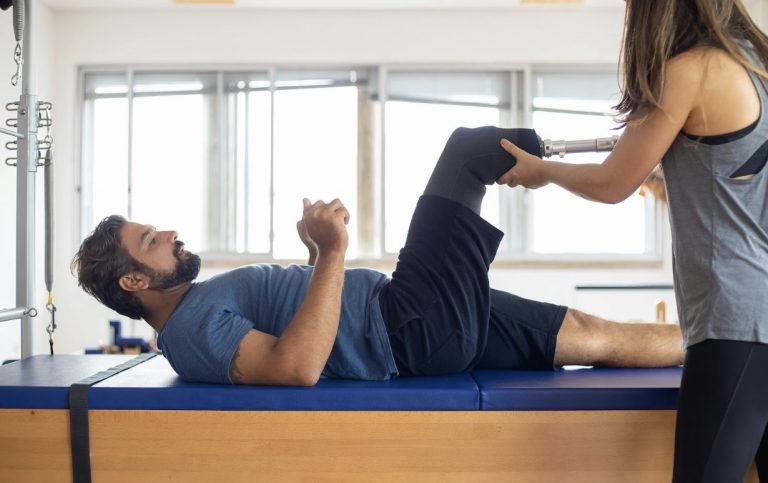
Rehabilitation is an integral part of post-injury health maintenance. Physical therapy programs are designed to restore strength, flexibility, and functionality while minimizing the risk of re-injury. Therapists can provide exercises that target specific muscle groups, improving balance and coordination. Regular therapy sessions, coupled with at-home exercises, ensure consistent progress. Rehabilitation encourages awareness of body mechanics and proper movement patterns, which are crucial for preventing future injuries. Committing to a structured rehab plan allows for measurable improvements and instills confidence in one’s ability to regain pre-injury mobility.

Recovering from an injury is a multifaceted process that requires attention to physical and mental well-being. By understanding your limits, prioritizing proper nutrition, managing pain effectively, committing to rehabilitation, and supporting emotional health, you can create a strong foundation for full recovery. Regular monitoring and adjustments ensure that progress continues safely, while long-term health habits help prevent future setbacks. Healing is an opportunity to cultivate resilience, strength, and awareness of your body’s needs. With patience and consistent care, you can maintain health and regain confidence after injury.

0 Comments