

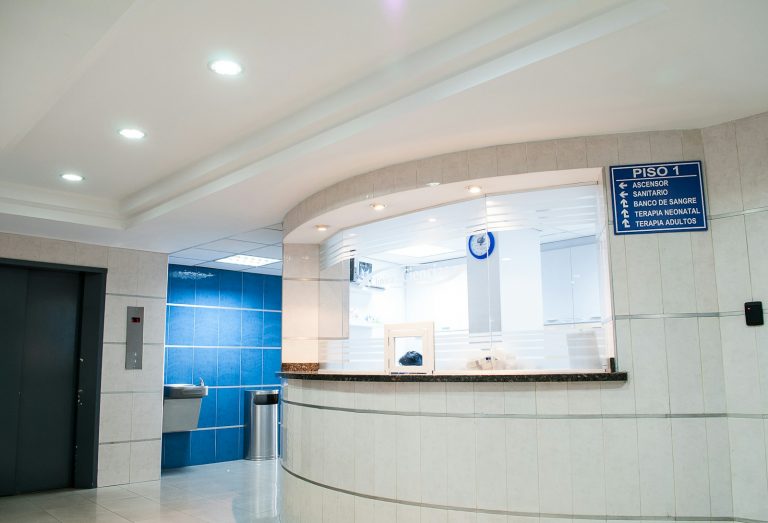

Hospitals never sleep, yet the late-night hours bring challenges that strain both care delivery and financial stability. Staffing levels dip, physicians stretch to cover multiple demands, and payers scrutinize claims more closely than ever. In this pressured environment, a single missed review or incomplete chart can ripple outward, creating delays in admissions, denials from insurers, and unnecessary strain on clinical staff. The margin for error narrows significantly when oversight falters after hours.
Audits, staffing shortages, and accelerated denial timelines have intensified such risks, placing leaders and frontline clinicians in a delicate balance between compliance and operational speed. Structured advisory models and streamlined documentation processes offer a path toward consistency, fewer denials, and stronger staff morale across every shift.
Why After-Hours Coverage Creates Compliance Vulnerabilities
At 2 a.m., a quiet ER workstation often masks incomplete charts, unsigned orders, and delayed reviews that auditors readily identify. Missing timestamps and vague rationale weaken the evidence trail, leaving hospitals exposed to payer disputes. When unattended cases linger until morning, backlogs grow while shifting criteria between shifts create inconsistencies that increase denial risk.
Support from offsite reviewers or remote teams helps, but without standardized workflows documentation gaps persist. Hospitals that integrate physician advisory services into these after-hours processes gain an added safeguard: timely, expert input that reinforces compliance. A simple checklist—timestamped provisional decisions, concise rationale, and scheduled physician review within hours—turns overnight uncertainty into predictable, accountable workflows.
Operational Stress Caused by Inconsistent Coverage
At 3 a.m., a case manager juggling multiple unresolved charts often faces incomplete information that delays admissions or transfers. Such stalled choices ripple through operations: nursing staff pause patient movement, bed turnover slows, and billing departments inherit partial documentation. As the night progresses, these small delays accumulate into operational backlogs that disrupt scheduling and frustrate staff across units once the morning shift begins.
When these inconsistencies escalate, the impact reaches leadership. Executives become entangled in payer disputes and staff grievance meetings, which erode morale and fuel turnover. Reliance on temporary fixes only deepens workload pressure and frustration. Introducing structured, provisional sign-offs with clear review windows stabilizes overnight operations and restores confidence across the care team.
Structuring Reliable After-Hours Advisory Models
Predictable scheduling turns after-hours coverage from reactive to reliable. Night rotation calendars that assign physician advisors into defined blocks reduce decision lag and smooth handoffs. Overlapping coverage supported by concise one-page summaries—pending reviews, expected actions, and backup contacts—maintains continuity between shifts. Clear escalation tiers guide urgent cases quickly to senior advisors without confusion or delay.
Technology further reinforces these models. Secure remote access through EHR sign-offs, encrypted messaging, and video consults enables timely reviews with full traceability. Centralizing cases into a single queue with urgent triggers—such as transfers or denial risk—keeps workflows efficient. Partnering with external advisory teams under defined SLAs provides surge capacity, maintaining consistency even during staffing shortages.
Compliance Safeguards That Hold Up to Payer Scrutiny
Rows of untouched case notes at dawn show audit exposure. Standardized templates with mandatory timestamp fields and signed rationale build an evidentiary chain for after-hours decisions. Uniform clinical criteria across shifts remove subjective drift. A centralized review queue with role-based access and exportable logs preserves case history for payers.
Regular internal checks catch gaps before external reviewers do. Weekly sample audits, automated alerts for missing signatures, and reconciliation between clinical notes and billing entries surface recurring errors. Tie external advisory activity to the central queue so SLA adherence is visible and traceable. A twice-weekly 15-minute log sweep for missing signatures and timestamp anomalies closes audit gaps and smooths morning handoffs.
Tangible Benefits Hospitals Gain From Consistent Coverage
Consistent after-hours coverage turns hospital operations from reactive to steady and predictable. Case managers benefit from timely physician input, cutting decision times from hours to minutes and preventing backlogs that once piled into morning shifts. Faster sign-offs accelerate bed turnover, allowing admissions to move smoothly within target windows while reducing unnecessary holds that frustrate nursing staff and delay care. Billing also gains efficiency, supported by clear documentation captured in real time.
With reliable processes in place, hospitals see broader advantages. Payer trust grows when records reflect timestamped reviews and physician rationale, reducing disputes and easing contract negotiations. Over time, performance metrics such as denial rates, length of stay, and throughput steadily improve. Such operational gains relieve staffing strain, lower overtime costs, and foster stronger morale across clinical teams.
Reliable after-hours coverage protects both patients and organizations by closing compliance gaps before they escalate into costly denials or disputes. Structured rotations, centralized review queues, and clear escalation tiers reduce delays while maintaining consistent documentation. With secure remote access and defined response windows, case managers gain dependable support and physicians uphold timely accountability. Hospitals that implement standardized workflows and connect external advisory capacity to measurable service levels not only safeguard compliance but also strengthen payer relationships, preserve staff morale, and reinforce financial stability. The outcome is predictable overnight operations that improve throughput today while building long-term resilience for tomorrow.

0 Comments