

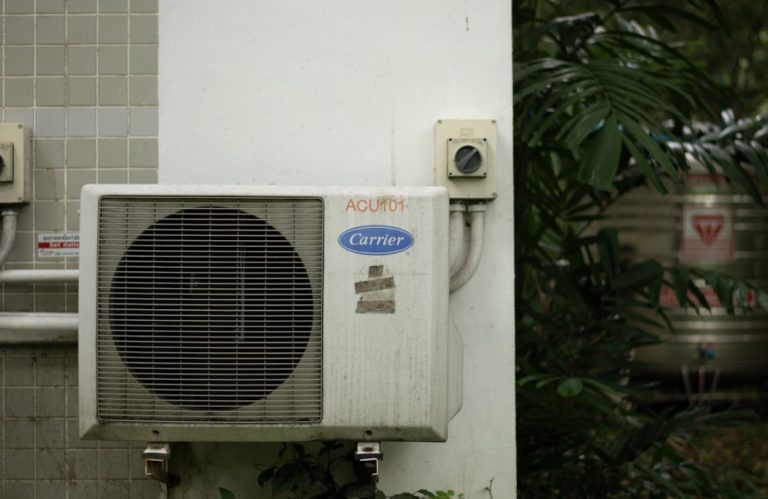

For most households, the heating, ventilation, and air conditioning (HVAC) system is the unsung hero of daily comfort. It regulates temperatures, filters the air, and maintains healthy humidity levels. Many homeowners overlook its upkeep, assuming that as long as it’s running, everything is fine. In reality, neglecting HVAC maintenance can pose risks to your family’s health and well-being. Dust buildup, poor ventilation, or mold growth within the system can trigger allergies, respiratory issues, and even chronic conditions. Proper upkeep goes beyond comfort, it’s a matter of safety and health.
The Connection Between HVAC and Indoor Air Quality
Indoor air quality is one of the most critical aspects of family health. Since people spend most of their time indoors, the air circulating through a home has a significant impact on daily wellness. Systems clogged with dust, pollen, and pet dander spread allergens throughout living spaces, exacerbating asthma and allergy symptoms.
Moisture buildup inside ducts or near cooling components can lead to mold growth, which releases spores into the air and compromises respiratory health. That’s why homeowners often turn to home climate experts for inspections and professional cleaning. Regular upkeep ensures filters, ducts, and coils are free from harmful buildup. It means air circulates effectively, reducing the concentration of indoor pollutants. By investing in maintenance, families create a cleaner, safer environment and minimize the risks of long-term health issues caused by poor air quality.
Preventing Respiratory Illnesses
Poorly maintained HVAC systems can contribute to the spread of respiratory illnesses. Dirty filters or stagnant air allow bacteria and viruses to linger indoors, increasing the likelihood of colds, flu, or infections spreading between family members. In homes where elderly relatives or young children live, these risks are even more serious.
Routine filter changes, duct cleaning, and system tune-ups help prevent pathogens from circulating in the air. Ventilation that functions properly ensures a steady exchange between indoor and outdoor air, keeping indoor environments fresh and reducing the buildup of potentially harmful particles.
Humidity Control and Its Health Benefits
Another often-overlooked function of HVAC systems is humidity regulation. When humidity is too low, air becomes dry, leading to irritated sinuses, cracked skin, and heightened vulnerability to respiratory infections. High humidity creates an environment where dust mites and mold thrive. Both extremes compromise health and comfort.
Regular HVAC upkeep ensures the system balances humidity effectively, protecting against these issues. Families benefit from reduced allergy symptoms, fewer skin problems, and a more comfortable living environment. In regions with fluctuating climates, fine-tuning humidity control is important for maintaining consistent wellness.
Reducing Allergens and Asthma Triggers
Dust mites, pollen, pet dander, and mold are among the most common asthma and allergy triggers found indoors. Without proper HVAC maintenance, these allergens accumulate in filters, ducts, and vents, then circulate throughout the house. For children and adults with respiratory sensitivities, this creates constant discomfort and may worsen conditions like asthma.
Maintaining a regular schedule of filter replacements, duct inspections, and coil cleaning dramatically reduces allergen levels. Some households may even upgrade to high-efficiency particulate air (HEPA) filters, which trap much finer particles than standard filters. With these precautions, HVAC systems act as barriers to allergens rather than conduits for them.
Extending System Lifespan and Avoiding Breakdowns
While health benefits are paramount, there’s a practical side to HVAC upkeep. Systems that are well-maintained operate more efficiently and last longer. This reduces the likelihood of breakdowns, which can be inconvenient and expensive. Unexpected failures during extreme weather pose health risks, particularly for vulnerable family members who may struggle in hot or cold conditions.
Regular maintenance identifies small issues before they escalate, such as leaks, worn belts, or failing components. Addressing these problems early saves money and ensures the system continues to support a safe and comfortable home environment.
Tips for Effective HVAC Maintenance
Homeowners can adopt simple practices to keep their HVAC systems in top condition. These include changing filters every one to three months, keeping outdoor units free of debris, and scheduling professional inspections at least twice a year. Regular tune-ups by certified technicians guarantee that the system runs at peak efficiency and remains compliant with safety standards.
It’s important to pay attention to warning signs such as unusual noises, weak airflow, or inconsistent temperatures. These often indicate that maintenance is overdue and that the system may already be compromising health and comfort.
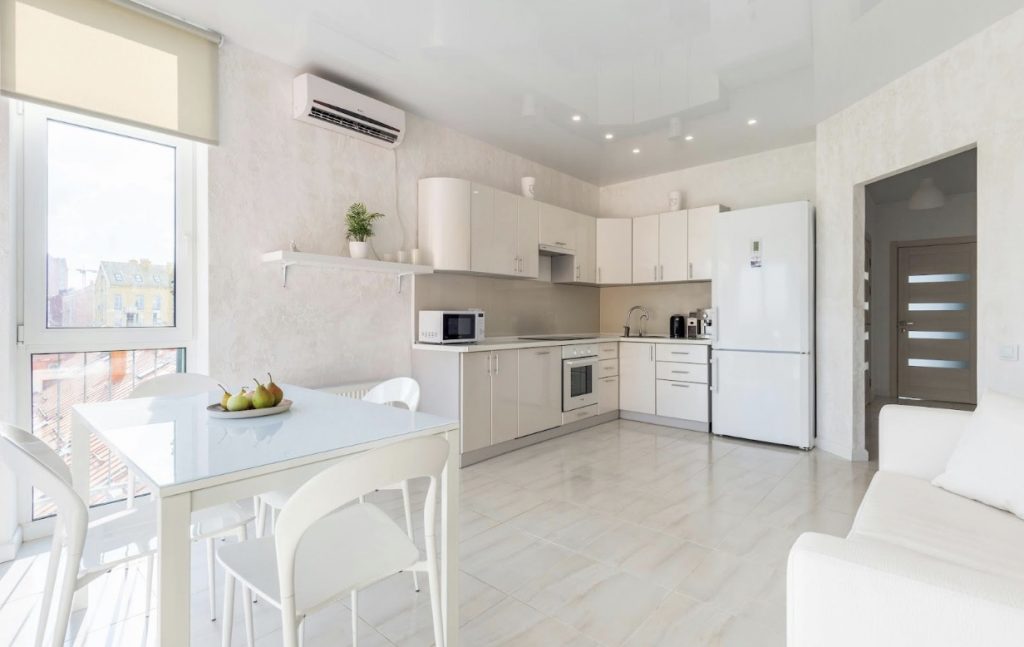
An HVAC system does more than regulate indoor temperatures; it directly affects your family’s health and quality of life. By prioritizing upkeep and partnering with professionals, families can ensure their systems deliver clean, fresh air while minimizing risks associated with allergens, mold, or poor humidity control.
Investing in regular HVAC maintenance is an investment in your household’s well-being. A clean, efficient system fosters healthier living, reduces medical risks, and creates a comfortable home environment for everyone.

0 Comments