

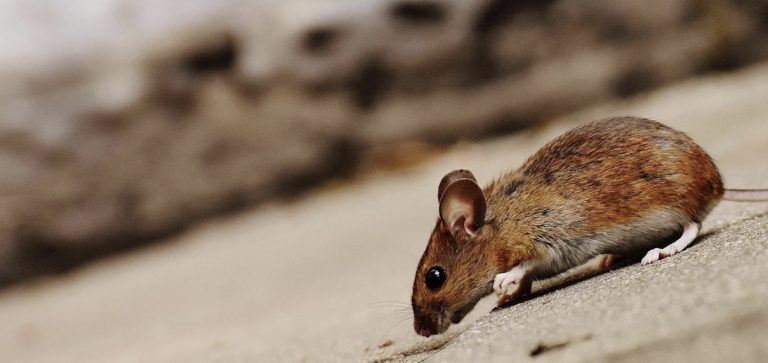

Unwanted pests can quickly turn comfortable living spaces into sources of stress and inconvenience. Whether it’s ants invading the kitchen, rodents nesting in attics, or cockroaches hiding in dark corners, pests pose health risks and can damage property if not addressed properly. Keeping them out requires more than just quick fixes, it involves a combination of preventive habits, smart home maintenance, and professional support. By taking proactive measures, homeowners can create a clean, safe, and pest-free environment year-round.
The Importance of Professional Insight
While DIY methods can help manage minor pest problems, serious or recurring infestations often require expert attention. Working with pest control experts ensures that problems are identified accurately and addressed using safe, effective methods. These professionals understand the habits of different pests, allowing them to target root causes rather than just visible symptoms.
Professional pest control provides peace of mind by reducing risks of exposure to harmful chemicals through untrained handling. Experts can recommend long-term strategies for prevention, from sealing structural entry points to identifying lifestyle habits that attract pests. By combining professional expertise with household practices, homeowners establish a comprehensive approach to keeping their living spaces safe.
Sealing Entry Points Around the Home
Pests often gain access to homes through small cracks, gaps, or poorly maintained fixtures. Even tiny openings around windows, doors, and utility lines can provide easy entry for ants, spiders, and rodents. Regularly inspecting and sealing these points is one of the most effective ways to prevent infestations.
Caulking gaps, installing weatherstripping, and repairing damaged screens immediately reduce the likelihood of pests entering. Attics, basements, and garages require attention, as these areas are common gateways for rodents and insects. By eliminating entry points, homeowners can make their living spaces far less inviting to unwanted intruders.
Prioritizing Cleanliness as a Defense
Cleanliness plays a central role in pest prevention. Kitchens, dining areas, and bathrooms are high-risk zones where crumbs, spills, and moisture attract insects and rodents. Developing habits like wiping down counters, promptly cleaning dishes, and storing food in airtight containers greatly reduces these risks.
Trash should be managed carefully. Using bins with secure lids, regularly taking out garbage, and cleaning receptacles prevent odors that lure pests inside. Maintaining cleanliness extends beyond the kitchen; cluttered spaces provide hiding places for pests, so regular decluttering and vacuuming are key to maintaining a pest-free home.
Managing Outdoor Areas to Reduce Risks
The condition of outdoor spaces significantly influences indoor pest activity. Overgrown lawns, shrubs close to the house, and piles of firewood all create habitats for pests that may eventually find their way indoors. Trimming vegetation and storing firewood away from the home reduces these risks.
Gutters and drainage systems should be maintained to prevent standing water, which attracts mosquitoes and other insects. Outdoor lighting choices can make a difference, too. Warm lights tend to attract fewer insects than bright white bulbs. By managing outdoor conditions, homeowners minimize the likelihood of pests crossing into indoor spaces.
Addressing Moisture and Humidity Problems
Many pests are drawn to moisture, making damp areas prime targets for infestations. Leaky pipes, faulty drainage, or poor ventilation can all contribute to conditions that attract pests such as cockroaches, silverfish, and termites.
Repairing leaks promptly, using dehumidifiers in basements, and ensuring proper ventilation in kitchens and bathrooms are important preventive measures. Simple changes like keeping shower areas dry or storing items off the floor in garages make a significant difference. Controlling moisture protects against pests and improves indoor air quality.
Safe Storage and Waste Practices
The way household items are stored can either discourage or invite pests, making storage habits a crucial part of long-term prevention. Food is the most common attractant, and even small crumbs or improperly sealed items can encourage infestations.
Storing pantry goods in sealed containers, such as glass jars, heavy-duty plastic bins, or metal canisters, prevents insects like weevils, moths, and ants from contaminating supplies. Keeping pet food in secure bins rather than open bags ensures it does not attract rodents or crawling insects.
Storage practices should extend beyond the kitchen. Cardboard boxes, for example, are notorious for harboring cockroaches and silverfish. Opting for plastic containers with tight lids in garages, basements, or attics reduces hiding spots and helps protect belongings from damage. Regularly rotating stored items and checking for signs of gnawing, droppings, or holes prevents unnoticed infestations from spreading.
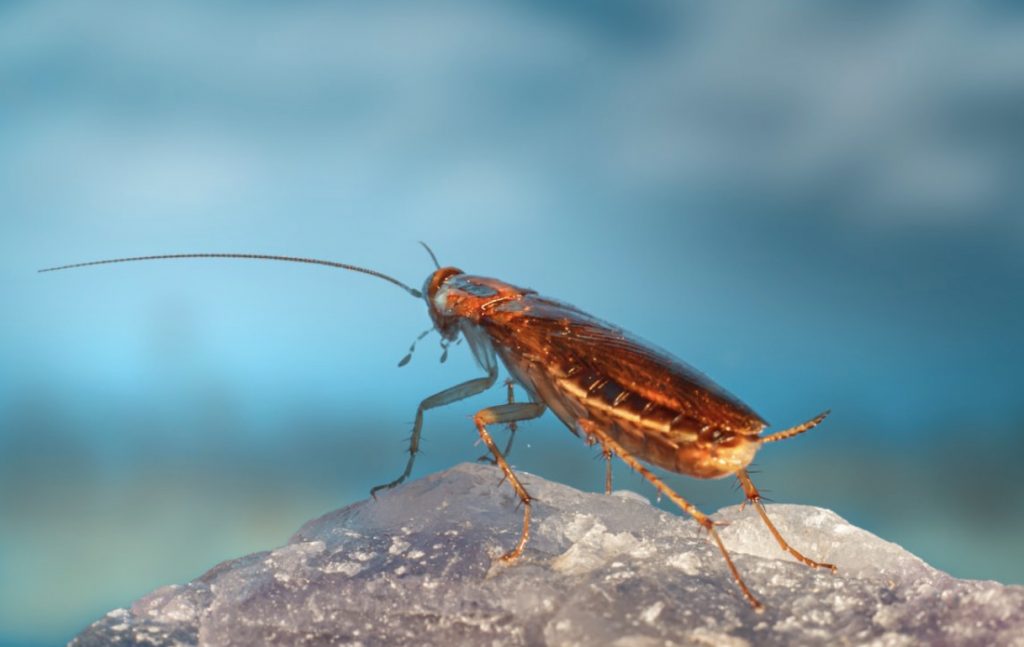
Maintaining a pest-free home requires consistent effort, combining preventive measures, cleanliness, and professional expertise. Sealing entry points, managing outdoor conditions, addressing moisture, and practicing safe storage all contribute to reducing the risks of infestations. For persistent or complex issues, experts provide the specialized knowledge and solutions necessary to protect both health and property.
By taking a proactive approach, homeowners can keep their living spaces comfortable, safe, and free from unwanted pests year-round. A pest-free environment improves daily quality of life and safeguards the long-term integrity of the home.

0 Comments