


In this evolving world where conservation is becoming increasingly important, the significance of energy efficiency cannot be understated. Our need for comfort and utility often leads to the consumption of vast amounts of power in our homes, significantly affecting both our wallets and the environment. The main objective of this article is to assist individuals in identifying power drainers in their homes, offering effective methods to manage these energy consumers. An energy audit, although often overlooked, can be an enlightening experience, revealing unforeseen opportunities to conserve energy and reduce associated costs.
Understanding Energy Drain in Modern Homes
The term ‘energy drainers’ refers to those devices or habits leading to excessive or unnecessary consumption of power. Their importance lies in their adverse effects; they increase your energy bill and also contribute to carbon emissions, negatively impacting our environment. We all engage in certain habits that inadvertently lead to increased energy consumption. It could be as benign as forgetting to switch off a light in an unoccupied room, or leaving appliances plugged in, even when they’re not in use. What’s harder to detect is the role of devices that continue to sap energy even when they’re turned off or in standby mode. Estimates suggest that such devices can bolster electricity costs by a substantial amount. Given that the average household electricity use in Australia is about 6,000 kWh annually, any reduction in energy waste could result in significant savings.
Common Household Appliances That Drain Power
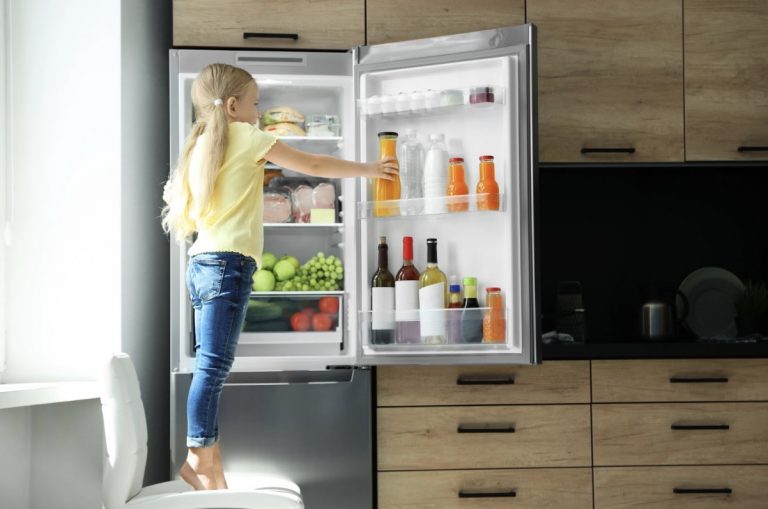
The biggest power guzzlers in any household are typically large appliances such as heating, ventilation, and air conditioning (HVAC) units, refrigerators, and dryers. While these are essential for a comfortable life, their misuse or overuse can lead to dramatic spikes in your energy bills. Older appliances, designed in an era before energy efficiency became a prevalent concern, are usually plagued by power inefficiencies. This problem has been addressed in newer appliances with the advent of Energy Star ratings, indicating the level of efficiency offered by their design. Choosing appliances with high ratings can make a noticeable difference to energy consumption. Additionally, regular maintenance can prevent common issues that lead to reduced efficiency. Simple preventive measures like cleaning the coils of your fridge regularly or replacing filters in your air conditioner can improve their power consumption footprint.
Identifying Phantom Loads in Your Home
‘Phantom loads’ or ‘vampire power’ is a term used to describe the energy consumed by electrical devices when they’re turned ‘off’ or in standby mode, but still plugged in. It’s an insidious form of power wastage that many consumers remain unaware of. Devices like television sets on standby, gaming consoles, and chargers left plugged into power are prime offenders. Innovations like smart plugs or energy monitors can help identify these phantom loads in your home setup. Once identified, controlling them is as easy as making minor changes like unplugging devices when not in use or utilising power strips with built-in energy-saving features.
Assessing Lighting and Its Role in Energy Drain
Lighting, while essential, often consumes more power than you might expect. Traditional incandescent or halogen bulbs, for example, are vastly less energy efficient than their modern counterparts like energy-saving LED and CFL bulbs. Although the former may cost less upfront, the latter consumes significantly less power and has drastically longer lifespans, thereby saving you money in the long run. Optimising the use of natural light in your home is another way you can reduce dependency on electrical lighting. Placing workspaces near windows, using lighter paint colours, and using mirrors to reflect light can dramatically reduce the need for artificial light during daytime hours. Smart lighting solutions that adapt to your schedule, such as lights that dim or turn off at certain times, can also be beneficial in trimming electricity use.
Simple Steps to Curb Energy Drainage
Addressing power wastage at home isn’t a herculean task, but one that calls for habitual changes and strategic decisions. Setting thermostats to energy-conserving temperatures when no one’s home, unplugging devices when not in use, and utilising energy-saver modes on appliances when possible can make a world of difference. Conducting regular energy audits can provide a comprehensive understanding of your home’s energy profile, enabling you to identify trends and create a plan to reduce energy consumption further. It’s not just about implementing seemingly minor measures; lifestyle changes, such as adjusting to off-peak hours for routines reliant on electricity or consciously reducing dependency on power-intensive devices, can have profound impacts on your energy use and expenses.
Final Thoughts on Tackling Energy Drainers
In closing, the cruciality of identifying and addressing the presence of energy drainers within the home cannot be overemphasised. By honing in on these hidden power guzzlers, homeowners can realise considerable savings, all while reducing their overall energy usage and thereby contributing positively to the global ecology. Indeed, the move towards energy efficiency is less a choice and more a necessity in today’s energy-conscious age. Hence, it is strongly recommended that individuals adopt the strategies discussed herein both on a personal level and within their households. Through such proactive measures, we can all contribute to the broader endeavour of achieving a sustainable future.

0 Comments