

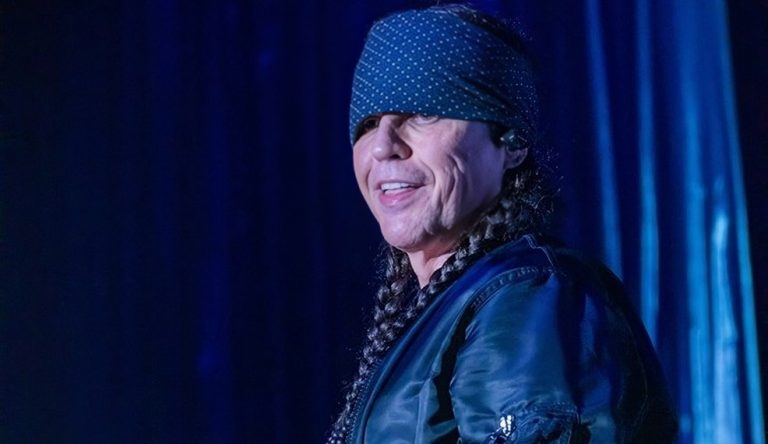

There are few rock voices as immediately identifiable as Ian Astbury’s. Since the 1980s, Astbury has been a mainstay of hard rock and alternative rock with his raw power, spiritual energy, and commanding live shows. As lead singer and co-founder of The Cult, he created a sound that mixed post-punk angst, dark atmospheres, and classic rock grandeur. Astbury left his mark on rock history with hits like “She Sells Sanctuary” and “Fire Woman.” He did this without ever changing himself to keep up with the times in an industry that was always changing.
Astbury is a deeply interesting cultural figure outside of music. He regularly writes about spirituality, identity, and mysticism, which reveals that he is interested in Eastern ideas and Indigenous cultures. He is more than just the lead singer because of how he looks and thinks. He is a musician who mixes music, culture, and ideas. This page talks a lot about his life, including his childhood, early jobs, relationships, net worth, and goals for the future.
Quick Bio
| Name: | Ian Robert Astbury |
| Birthday: | May 14, 1962 |
| Age | 63 |
| Birth Location | Heswall, Cheshire, England, UK |
| Ethnicity | Caucasian |
| Nationality | Scottish/English |
| Religion | Christianity |
| Zodiac sign | Taurus |
| Occupation: | Singer, Husband of Aimee Nash |
| @ianastburyofficial |
Who Is Ian Astbury?
Ian Robert Astbury, born in Heswall, Cheshire, England, on January 14, 1962, is most famously known as the lead singer and co-founder of The Cult. One of rock’s most recognizable voices, he has had the range to go from haunting gothic ballads to screaming hard-rock anthems throughout the years. As most 1980s bands fell by the wayside, The Cult, fronted by Astbury, has persevered to put out new music and tour globally.
The peak of his career is marked by the albums Love, Electric, and Sonic Temple, which were million-sellers and solidified the band’s popularity in the US and UK. Astbury’s impact has extended outside of The Cult as well. He has worked with legends such as the remaining members of The Doors, lent his voice as a guest vocalist to various other projects, and even ventured into solo endeavors. Being able to keep up with the times is what has kept him in the public eye for more than forty years.
Early Life
Astbury grew up in a working-class family with strong English and Scottish heritage. His father, Robert, was in the British merchant navy, and this provided the family with a strong foundation of toughness and discipline. His mother, Judith, fostered creativity and a sense of culture. In 1973, at around age 11, they relocated to Hamilton, Ontario, Canada, where he spent the majority of his teenage life. The relocation opened him up to a multiplicity of cultures and helped shape a more expansive world view.
Being in Canada also initiated his fascination with Indigenous customs, a thing that would, in time, find expression in his songwriting and stage iconography. There was always music in his life—parents and family members exposing him to The Beatles, The Rolling Stones, and other classic performers. By the time he came back to the UK in the late 1970s, Astbury was in love with not just music but also with the idea of cultural influences permeating his art
Career Beginnings
Ian Astbury’s musical career started taking shape in the early 1980s, having been associated with the punk scene in Liverpool. He moved on to create his first successful band, Southern Death Cult, which gained prominence due to its dark, atmospheric sound. Even though the band did not survive for long, it provided Astbury with the exposure and confidence he required to move on. Astbury made Death Cult after Southern Death Cult broke up. By 1984, Southern Death Cult was known as The Cult.
The first few years were hard. Being part of the UK’s vibrant post-punk scene at the time meant that they were always fighting to be heard. Astbury and guitarist Billy Duffy took the risk and decided to drive towards a harder, rock-edged guitar direction, and it was a breakthrough. With Rick Rubin at the helm of their 1987 record Electric, The Cult cracked the mainstream, incorporating heavy riffs with Astbury’s wailing vocals. The gamble succeeded, resulting in global success.
Who is Ian Astbury’s Wife?
Ian Astbury has had long-term ties and commitments that are well known to the public in his personal life. Astbury was still a dad while working as a singer around the world until 1997, when they split up. A lot of people knew him at the time, so it was even harder to figure out who the rock star was.
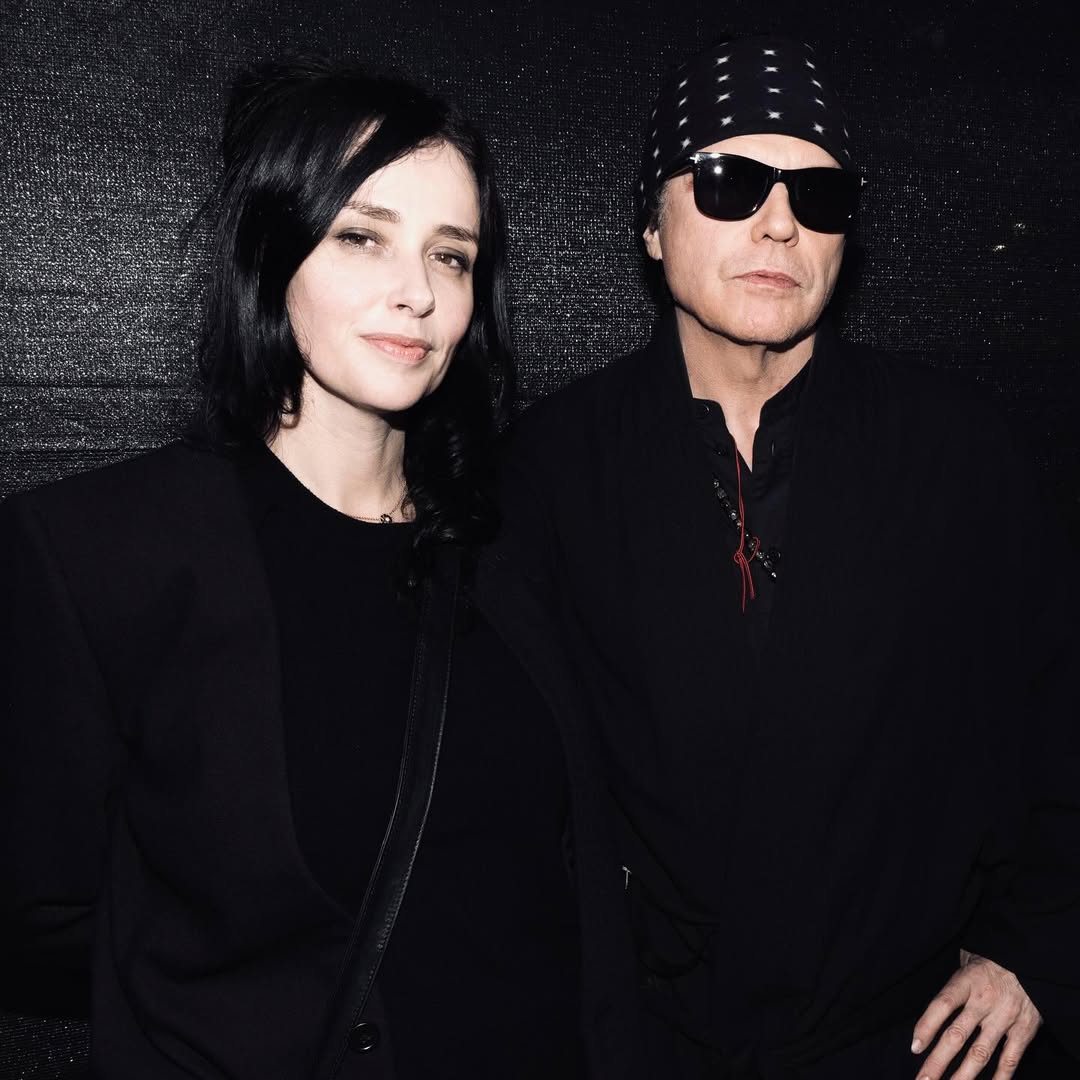
He married Aimee Nash in 2012. The Black Ryder was an Australian band, and Nash sang lead and played for them. The wedding took place in Las Vegas, just a few hours before The Cult’s show. This is how much he loved his wife and rock music. They have a strong relationship, and Nash goes on tour with him a lot. The two make up a creative and loving couple that continues to fuel Astbury’s artistic existence.
Ian Astbury’s Physical Appearance
Ian Astbury’s appearance has always been part of his image. He stands around 5 feet 10 inches and has the commanding presence of an old-school rock star from way back. His on-stage attire typically includes leather jackets, boots, and dramatic accessories, both gothic-style and old-school rock. His long hair and theatrics were largely responsible for creating The Cult’s image at their commercial peak.
As he’s aged, Astbury has continued to be trim and full of energy, a necessity for delivering high-energy live performances. Though he may not represent the excesses of wild 1980s rock anymore, he continues to project charisma and intensity when performing. Fans rave about how he manages to combine a mystical, near-shamanic presence with the grittiness of a hard-rock vocalist to make live performances memorable.
Net Worth
Ian Astbury has amassed an estimated net worth of approximately $15 million due to his work with The Cult. Sales of albums, revenue from touring, and royalties from popular songs such as Fire Woman and She Sells Sanctuary account for the majority of his income. Many years after their biggest hit, The Cult are still very famous on the touring circuit, which means they can keep making money.
Along with The Cult, Astbury has worked with other famous acts, which has added to his wealth. His brief run as the lead singer of The Doors of the 21st Century in the early 2000s introduced him to a new generation of fans and endeavors. Merchandising, licensing contracts, and possibly personal investments also factor into his net worth, though he maintains a relatively low profile regarding his personal finances.
Social Media
Unlike most celebrities, Ian Astbury doesn’t clog up social media with constant updates. He instead employs sites such as Instagram to post substantial snapshots of his living and working life. There are touring photos, behind-the-scenes studio shots, and an occasional personal post, such as warm anniversary wishes to his wife. His internet presence comes across as genuine, aimed at art and communication and not promotion for its own sake.
Though his fans are not as legion as those of mainstream pop artists, Astbury has built a faithful constituency that prefers substance to quantity. Social media has also enabled him to cross generations, bringing together older fans from the 1980s with newer and younger rock enthusiasts who are hearing The Cult for the first time. His adaptability in the new media demonstrates that even old-school rockers can discover new templates in reaching his audience.
Future Prospects and Vision
Looking ahead to the future, Ian Astbury indicates no desire to decelerate.They’re still putting out new music; their record Under the Midnight Sun from 2022 shows that they still have a lot to say. Astbury is still on a lot of trips, so fans may be able to see more live shows all over the world. Because he wants to learn more about spirituality and cultural problems, it’s likely that his next songs will still be a mix of hard rock and more serious topics.
He doesn’t need to change his place in history because he’s more interested in what’s going to happen than what has already happened. He still shows off his skills by writing, working on strange projects, and meeting new people to work with. What he’s going to do next is more interesting to people who like him than what he’s done before. Ian Astbury proves that rock is more than just music. You have to be brave, grow up, and say what you think.

0 Comments