



Isaac Hayes was a trendsetter who revolutionized the sound of American music that will never fade. He was not just a vocalist or record producer. Hayes was one of the most iconic and recognizable star of soul, funk, and R&B due to his deep rich voice, commanding presence, and prophetic songwriting. His music dominated not only the airwaves but changed the industry and influenced hundreds of acts across multiple genres. Hayes built a sound that was innovative but yet so emotional. His tracks “Hot Buttered Soul” and “Theme from Shaft” are testament of this.
However, Hayes’s life is more than his songs. He had lofty goals, defied poverty, and took on seemingly impossible tasks. He has had both successes and failures in his life. Hayes’ life was filled with love, passion, and hard labor, taking him from the backroads of rural Tennessee to international renown. He received several honors, experienced both financial success and failure, and left a lasting legacy that continues to influence artists, fans, and cultural scholars today.
Quick Bio
| Name: | Isaac Lee Hayes Jr. |
| Birthday: | August 20, 1942 - August 10, 2008 |
| Age | 65 |
| Birth Location | Covington, Tennessee, USA |
| Ethnicity | Black |
| Nationality | American |
| Religion | Scientology |
| Zodiac sign | Libra |
| Occupation: | Singer, Songwriter, Composer, Actor, |
| N/A |
Who was Hayes Isaac?
Isaac Lee Hayes Jr. was born on August 20, 1942, and became the best soul singer in the United States. In the 1960s and 1970s, he became famous as a singer, songwriter, musician, producer, and entertainer. Hayes first became famous as a singer at Stax Records in Memphis. He and David Porter wrote hits for famous bands like Sam & Dave. They wrote great songs together, like “Soul Man” and “Hold On, I’m Comin’,” that are still important to soul and R&B today. Hayes was a big part of Stax’s success because he was good at writing melodies and words that talked about both happiness and sadness.
He became massively popular when he started releasing his solo records, particularly the 1969 album Hot Buttered Soul, which was not in the mainstream soul format, featuring extended, lyrical songs. In 1971, Hayes’ career was reaching its peak when he composed and recorded the Theme from Shaft for which he won an Academy Award for Best Original Song. He was one of the first African Americans to win an Oscar in a non-acting category. Outside of the music world, Hayes became a pop culture icon with the help of acting work, voice-overs, and his brazen personality, cementing him as a legend.
Early Life
Isaac Hayes’ early life was hard, but he was determined. He was born in Covington, Tennessee, and his mother died when he was very young. His father didn’t play a big role in his life. He grew up with his grandparents, who farmed and farmed crops. It was hard to live on the farm, but it taught him discipline and strength that would help him in his work. Hayes found happiness and a way to deal with the problems that came with being poor in music, which became both a way to escape and a source of inspiration for him.
Hayes sang in church and learned to play many instruments as a child, such as the piano, organ, and saxophone. His journey was not straightforward, though. He quit high school to help feed his family, working in a meat-packing plant for the purpose of earning wages for them. With the inspiration of his teachers, he went back and graduated at 21. He was offered college scholarships but turned them down so he could work and help support his loved ones. They were the tests and choices that turned him into the determined, driven man who would become the music world’s king.
Career Beginnings
Hayes’s professional life started with Stax Records, where his abilities as a session player, producer, and songwriter were soon in little doubt. David Porter was a close collaborator; the two of them co-wrote many of the soul classics of the 1960s together. Together they made songs full of raw emotion, beat, and messages of love and adversity. Soul Man was a song that did not play purely for its entertainment value but talked to the African American nation in a time of war in U.S. history.
Although successful as a songwriter, Hayes aspired to be successful as an artist. His first album, Presenting Isaac Hayes (1967), was a failure. But he never lost hope. Two years later, Hot Buttered Soul set the music world ablaze. With extended arrangements and rich orchestrations, the album broke what soul music was able to achieve. Rather than the short, radio-cut singles, Hayes performed lengthy, powerful tunes such as his 18-minute rendition of By the Time I Get to Phoenix. This risky move differentiated him and paved the way for his subsequent success.
Who Was Isaac Hayes Married To?
Isaac Hayes’s own life outside of music mirrored the chaos of his professional life. He was wed many times throughout his lifetime and had eleven children. His romantic life was filled with elation and complexity, and his home life was intertwined with the upswings and downturns of his own career more than once. Even with the troubles that accompanied his fame and wealth, Hayes remained highly associated with his family, and his children continued aspects of his legacy.
His spouses were marriages to Dancy Hayes, Emily Ruth Watson, Mignon Harley, and lastly Adjowa Hayes. They all made wonderful pages in his life book. To his fourth wife, Adjowa, he was married until 2008, when he died, and they had a son. One of the most famous children is Isaac Hayes III, who remains very active in the entertainment industry as a producer and business entrepreneur. Family, though at times complicated, was a core aspect of Hayes’s life, and his affection for his children was visible throughout his career.
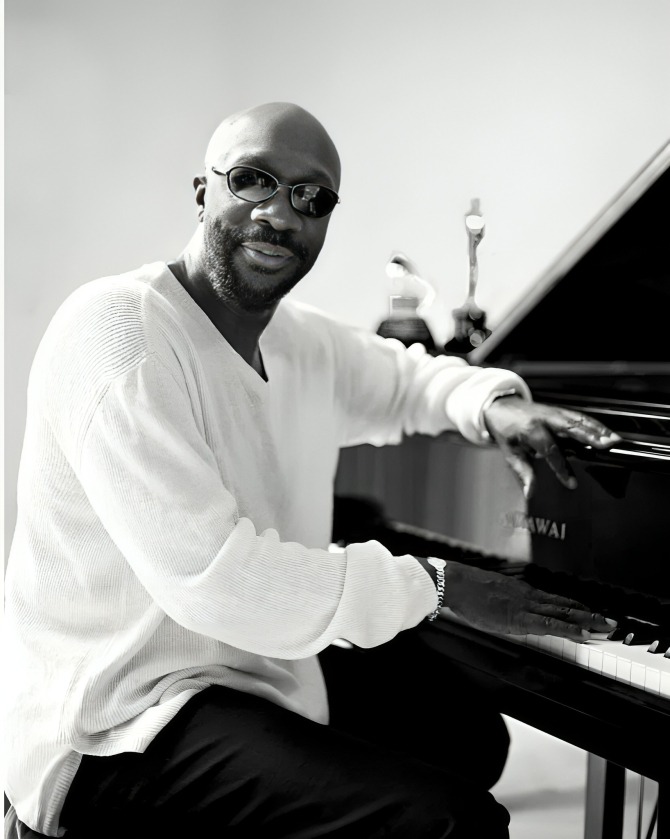
Isaac Hayes’s Physical Appearance
Hayes was also famous not only for his music but also for his authoritative physical presence and style. He was around six feet tall and had a shaved head and bushy beard and always wore sunglasses. This appearance became legendary and represented a fearless, dominant personality that reflected the ferocity of his voice. His public immediately responded to his fusion of strength, elegance, and charm that became part of his persona.
Fashion also contributed to the image of Hayes. He would perform wearing leather jackets, fur coats, and gold chains, establishing a flashy image that was, boldly, bigger than life. His on-stage attire provided another dimension to his act, and he became not only a singer but an entire entertainer. In numerous ways, Hayes’s look not only impacted the soul and funk music genre but also hip-hop fashion decades later, as artists adopted flashy jewelry, sunglasses, and banner-making aesthetics of the same caliber.
Net Worth
Since the 1970s up to the present day, he has had a huge effect on how artists think about creation, performance, and originality. People still look to Shaft themes as cultural markers, both for their songs and for how they represent Black power and pride in popular culture. In 1976, he filed for bankruptcy, listing debts of over $6 million. He lost houses, possessions, and even some rights to royalties on his own compositions.
At the time of his death in 2008, Hayes’s net worth was estimated to be around $500,000. Small as it was in relation to most celebrities, it did nothing to diminish his cultural impact or artistic contribution. Hayes remained busy, acting and performing until his death, evidencing strength under adversity. His life is a testament that even great names can have financial troubles, but their legacy is bigger than financial figures put in a bank account.
Legacy
Isaac Hayes’s legacy continues to live in all aspects of contemporary music and society. His trailblazing work at Stax Records and his trailblazing solo records paved the way for soul, funk, and even hip-hop music, as other artists sampled his music. Since the 1970s up to the present day, he has had a huge effect on how artists think about creation, performance, and originality. People still look to Shaft themes as cultural markers, both for their songs and for how they represent Black power and pride in popular culture.
Hayes’s success went beyond the charts. He received an Academy Award and several Grammy Awards and was inducted into the Rock and Roll Hall of Fame and the Songwriters Hall of Fame. He also gained new fan bases as an actor and voice actor on the popular show South Park, playing the role of “Chef.” He was also remembered posthumously by having a highway dedicated to his honor in Tennessee. Hayes’s capability to overcome barriers, motivate, and produce music that lasts for centuries guarantees that his legacy will forever glow.

0 Comments