

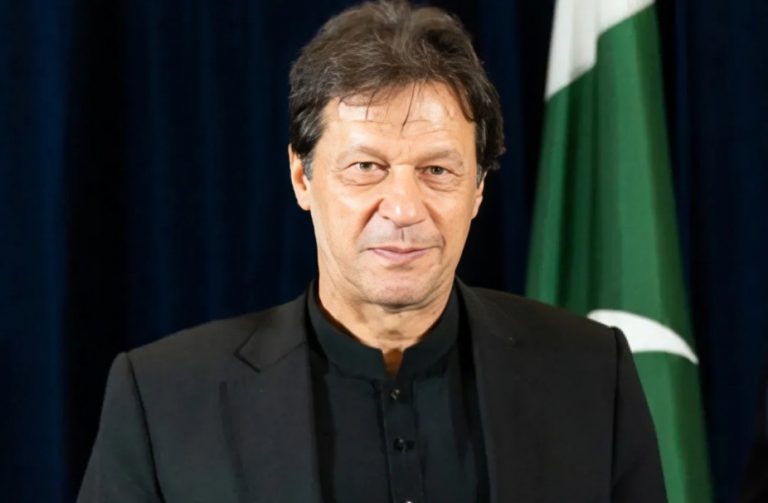

Imran Khan is the global and Pakistani most influential and popular personality. Imran Khan’s life biography is an interesting work of writing that progresses from a sports achievement to political power with philanthropy in between. Beginning as a cricketer, Khan grew up to be a national hero after guiding Pakistan towards winning its first ever Cricket World Cup in 1992. This victory not only brought him into the international limelight but also created for him a staunch fan base who were impressed by his resolve, leadership, and vision.
In life beyond cricket, Khan’s life followed a different trajectory in politics. Organizing his own political movement, Pakistan Tehreek-e-Insaf (PTI), he vowed reform and revolution when Pakistanis were fed up with corruption and the ruling political elite. His election as the 22nd Prime Minister of Pakistan in 2018 was the culmination of his life-long struggle for justice. But even his professional life has been marred by several issues, including controversies, personal setbacks, and political challenges that haunt his life even today.
Quick Bio
| Name: | Imran Ahmed Khan Niazi |
| Birthday: | October 5, 1952 |
| Age | 72 |
| Birth Location | Lahore, Pakistan |
| Ethnicity | Pashto |
| Nationality | Pakistani |
| Religion | Islam |
| Zodiac sign | Libra |
| Occupation: | Politician, Philanthropist, Former Cricketer |
| @imrankhan.pti |
Who is Imran Khan?
Imran Ahmed Khan Niazi was born on October 5, 1952, in Lahore, Pakistan. He is popularly known as a turned politician and social reformer cricketer. He is famous for his charismatic on-field cricket captaincy and for later being a reformist politician. Since his six years serving as Prime Minister between 2018 and 2022, he has attempted to introduce policies to tackle corruption, social injustice, and economic transformation, even though his premiership has been controversial.
Khan is unusual in having a multi-faceted career. He is not only a politician or an athlete—by virtue of his philanthropic activities, he is also a philanthropist who has founded the Shaukat Khanum Cancer Hospital, in memory of his deceased mother, and Namal University, with the aspirations of giving opportunities to poor children. He has risen to become a household name, not merely within Pakistan but globally too, where his rags-to-riches story of rise from cricket superstardom to politics is cited as one of the most astounding success stories.
Early Life
Imran Khan was born into a rich Pashtun family with strong cultural heritage. His father, Ikramullah Khan Niazi, was a civil engineer, while his mother, Shaukat Khanum, belonged to the very highly respected Burki family. Being the sole son in a family of four sisters, Khan was brought up with affection and expectation, and his early life instilled an atmosphere of ambition and discipline in him. His social status also provided opportunities for him, particularly in education and foreign opportunities.
He received his early education in Lahore’s Aitchison College, Pakistan’s top school, before relocating to the UK. He then studied in the Royal Grammar School at Worcester and eventually Keble College at Oxford University, where he pursued Philosophy, Politics, and Economics. These studies opened his eyes even more to the world and what goes on in it, and his sense of justice and rule of law was also shaped. His exposure in the UK also deepened his passion for cricket, which formed a foundation for a cricket career.
Career Beginnings
Imran Khan’s cricket career in fact began in 1971, when he represented Pakistan in his first Test match against England. His initial years were characterized by mediocre performances, but his determination to excel on his game by working harder paid rich rewards when he became one of the greatest feared fast bowlers and finest all-rounders of his generation. During the late 1970s, he was a common sight in world cricket, respected for his work ethic and pioneering approaches, such as the nicety of reverse swing.
His most outstanding achievement was in 1992 when he led the Pakistan team to Cricket World Cup victory. This made him a national hero, because the victory was more than a sporting achievement—it was hope and unity for the nation. Retiring shortly after this record victory, Khan departed cricket in the middle of his career, respected not only for his talent but also for his leadership abilities. It was easy to transition from sport to politics, from his national symbol status.
Who Was Imran Khan Married To?
Imran Khan’s private life has also long been a source of much public interest. He was originally married to British heiress Jemima Goldsmith in 1995. They shared two sons, but cultural and lifestyle differences ultimately resulted in their divorce in 2004. Jemima, however, frequently spoke fondly of Khan, and they are still on good terms for the sake of their children.
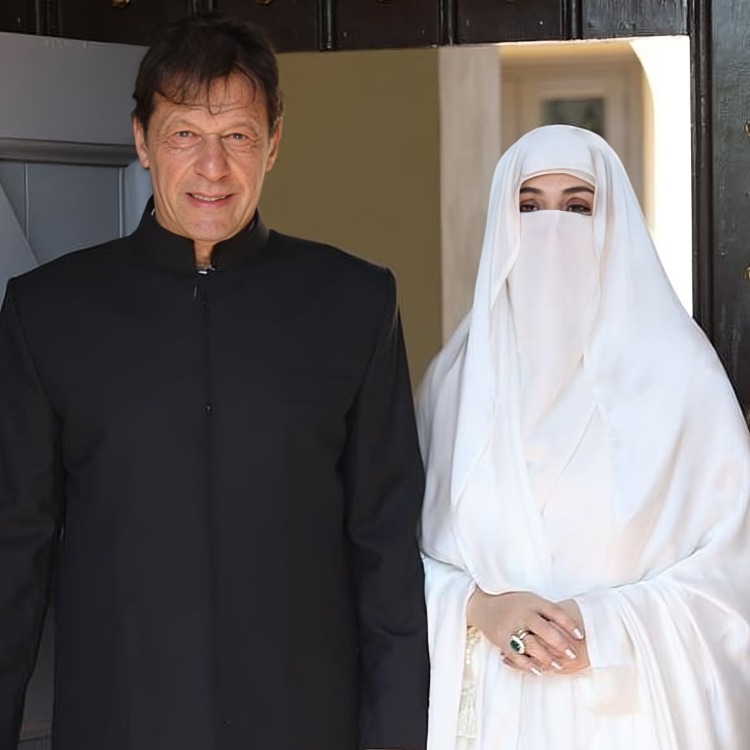
He proceeded to marry journalist Reham Khan in 2015, although his marriage to her was short-lived, lasting only one year. Khan proceeded to marry Bushra Bibi, his religious mentor, in 2018, in a marriage that bore witness to Khan’s increasing faith interest and values. His marriages and relationships have often made front-page news due to the huge interest in his personal life from the public, but bears witness also to how his personal life has shaped his public image.
Imran Khan’s Physical Appearance
At about six feet two inches in height, Imran Khan has never been other than a dashing individual. As a cricketer, his physique and self-assurance made him one of the most recognizable faces on the cricket pitch. His dress sense—whether it was his cricket whites, his shalwar kameez, or his suit—has always been of the fusion variety of modernity and conservatism. Even as a politician, he is seen to have a strong, athletic stance, something often credited to his disciplined way of life.
Aside from his physical appearances, Khan’s personality has evolved with time. During his youth, he was a handsome sportsman and was usually accompanied by international celebrities and socialites. His public image evolved to that of a reformist leader later in life, projecting mainly humility, simplicity, and sympathy towards ordinary Pakistanis. It is this capacity to change and evolve that has kept him going for so long.
Net Worth
Imran Khan’s net worth has been the subject of great controversy, particularly as a political figure. He has publicly revealed some of his assets during his years in public life, such as his Bani Gala mansion, land plots, and other investments. Although precise amounts of his net worth are unknown, his net worth is believed to be in millions of dollars, most of it coming from inheritance, real estate, and lecture tours before his political career took off.
Khan has also spent huge sums of money and authority on philanthropy. The Shaukat Khanum Cancer Hospital is one of his greatest achievements, with finances taken from contributions across the globe. His emphasis on donating has created a financial heritage less so much individually affluent but institutions that still make the people of Pakistan richer.
Social Media
Social media dominates politics much more intensely today, and Imran Khan has caught on with even greater passion. On Twitter (now rechristened as X), he has a massive following of more than 20 million followers and is one of the most influential personalities of the virtual space in South Asia. He tweets everyday on his political views, current campaigns, and gestures of solidarity, which are seen by millions within seconds.
He has another enormous base of followers on Instagram, where political rallies, personal thoughts, and behind-the-scenes observations are posted. He even explored the TikTok platform in 2022, where millions of followers were gained in a matter of days. This control over platforms not only testifies to his popularity but also to his skills in switching with new times of communication, keeping his image updated with the next generation.
Future Prospects And Vision
Even though he lost the 2022 election for Prime Minister, Imran Khan is still a significant deal in Pakistani politics. His political party, PTI, is still the largest in the country, and he often gets a lot of people to show their support. Many experts think he will keep trying to get elected and that he could win again if he gets the chance.
Khan left behind a lot of good work, like schools and a hospital that will keep growing. These projects have nothing to do with politics. In the future, he wants Pakistan to be a country that invests in its people by giving them health care, schooling, and the freedom to make their own money. No matter what happens with his political career, these projects will make sure that his influence lasts for a long time.

0 Comments