

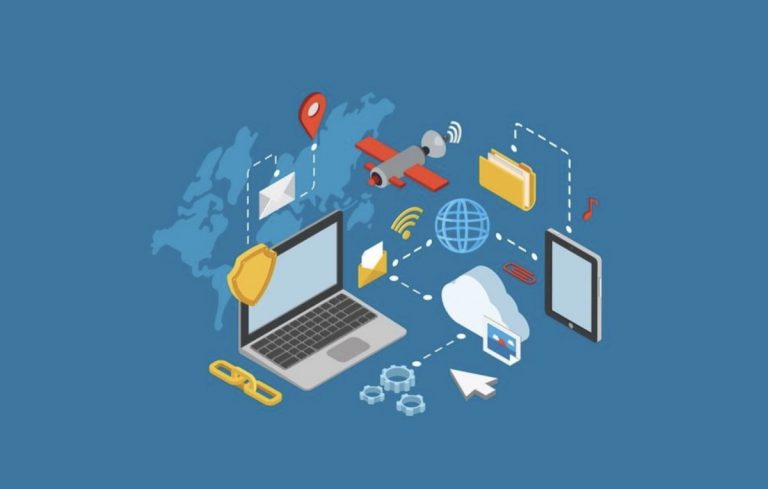

The capabilities of LoRaWAN (Long Range Wide Area Network) have entered the spotlight as an innovative solution for various business operations. As the Internet of Things (IoT) ecosystem continues to expand, LoRaWAN technology proves to be a favored option due to its long-range capabilities and low power requirements. Dive into the advanced functionalities of LoRaWAN, emphasizing its transformative impact on multiple business sectors.
What is LoRaWAN and How Does It Work?
LoRaWAN is a wireless communication protocol designed primarily for IoT devices, favoring low power consumption and long-range communication. It operates on unlicensed radio bands, allowing for widespread deployment without the costs associated with cellular data. Devices equipped with LoRa technology communicate data to gateways, which then relay the information to a centralized server.
The protocol’s architecture consists of three main components: end devices, gateways, and network servers. End devices include sensors and actuators that gather data or perform actions. The gateways serve as a bridge between the devices and the network server, enabling connectivity over significant distances, sometimes up to 15 kilometers in rural areas. Network servers collect and process the data transmitted from the gateways while managing device authentication and network security.
The Role of LoRaWAN Network Sensors
LoRaWAN network sensors fully harness the advantages of this technology. These sensors collect and transmit data from various devices in the field and provide organizations with critical insights. Businesses can deploy these sensors in diverse scenarios, from urban environments monitoring air quality to rural settings tracking livestock activity. The ability to connect numerous devices over extended distances enables real-time data access.
The longevity of battery life in LoRaWAN sensors is an added benefit, with some devices capable of functioning for several years without a recharge. Organizations should look for suppliers with over a decade of expertise in LoRaWAN to optimize their operations. Employers can monitor conditions and statuses on a granular level. These network sensors represent a cornerstone in the implementation of effective LoRaWAN solutions across sectors.
Applications of LoRaWAN in Supply Chain Management
LoRaWAN is improving supply chain management by enabling real-time monitoring and operational transparency. Sensors placed on goods during transport provide location, temperature, and humidity levels. Businesses can track the condition of products throughout their journey and reduce losses from spoilage or damage.
By deploying IoT devices throughout their supply chain, organizations gain insights that aid in decision-making, optimize inventory levels, and improve delivery efficiencies. If a shipment is delayed, real-time alerts allow for immediate rerouting or rescheduling deliveries. Tools for data analytics can help organizations understand trends and patterns within their supply chains.
Asset Tracking Through LoRaWAN
Whether it’s in a warehouse or on a shipping route, real-time visibility can help manage resources effectively. With small, battery-operated LoRaWAN sensors attached to assets, organizations can monitor their location at all times. This setup lessens theft, misplacement, and loss for better resource management.
When assets are tracked accurately, businesses can improve their operational efficiency. By analyzing the collected data, companies can optimize usage rates and identify non-performing assets. The combination of improved visibility and robust data analytics supports more informed decisions.
Energy Management with LoRaWAN
Energy consumption monitoring is another area where LoRaWAN excels. Businesses gain insights into their energy consumption patterns and use the data gained to identify inefficiencies within operations to implement energy-saving measures. The collected information feeds into cloud-based analytics platforms, enabling managers to make data-driven decisions regarding energy usage. Businesses can adjust operational schedules based on peak energy costs to save on expenses.
Sensors can communicate alerts for unexpected surges in energy consumption or equipment performance issues, promoting proactive maintenance. Integrating energy management systems with LoRaWAN creates opportunities for long-term sustainability goals and drives cost-effective practices.
Improving Smart Agriculture Practices
Smart agriculture is leveraging LoRaWAN for precision farming techniques, leading to increased productivity and resource efficiency. Farmers can monitor soil moisture levels, crop health, and weather conditions, enabling data-driven decisions that optimize yields. By deploying sensors throughout their fields, growers receive real-time data that guides irrigation strategies and pest control measures. This real-time feedback reduces water consumption and minimizes chemical use, benefiting both the environment and agricultural outputs.
Remote connectivity provided by LoRaWAN allows farmers to monitor conditions and manage operations from anywhere, offering flexibility in farm management practices. By gathering data on crops and soil health, farmers gain insights into long-term trends that can inform their planting and harvesting decisions. Implementing LoRaWAN in agriculture sets the stage for sustainable practices and improves productivity and efficiency.
LoRaWAN capabilities are improving many aspects of business operations, providing opportunities for innovation and efficiency. By understanding these applications, organizations can seize opportunities that align with their operational goals. Undertaking a strategic approach will guarantee that businesses harness the full potential of LoRaWAN solutions.

0 Comments