


In addition to being a well-known actress, Isela Vega was a multifaceted artist who had a lasting impression on Mexican cinema and beyond. Vega, who was born in 1939 in Hermosillo, Sonora, established a career that lasted over 60 years and helped women in the field.Renowned for her provocative performances and for refusing to conform, she captured the hearts of Mexican and global audiences. Her life is a mix of glamour, scandal, and resilience, presenting an image of a woman who had lived as she wished.
The reason Vega’s life was so captivating is because she re-invented herself constantly. From a model and beauty queen in her initial beginning to an internationally acclaimed actress, then a producer and director, Vega proved that talent knows no bounds. She received numerous awards, including several Ariel Awards and even a lifetime achievement award, cementing her status as one of the greatest icons of Latin American cinema. She is still regarded as an icon today because of the emotion, depth, and grace she brought to every performance.
Quick Bio
| Name: | Isela Vega Durazo |
| Birthday: | November 5, 1939 - March 9, 2021 |
| Age | 81 |
| Birth Location | Hermosillo, Mexico |
| Ethnicity | Latino |
| Nationality | Mexican |
| Religion | Christianity |
| Zodiac sign | Scorpio |
| Occupation: | Actress, Singer-Songwriter, Model, Filmmaker |
| @iselavegaoficial |
Who Was Isela Vega?
Isela Vega Durazo was a model, filmmaker, actress, and singer-songwriter whose professional life spanned more than 150 movies and TV productions. She was a surname in her own family and internationally renowned for playing Elita in Sam Peckinpah’s 1974 masterpiece Bring Me the Head of Alfredo García. The film not only established her credibility but also provided exposure to her in the United States of America and Europe, proving she could act on the international stage. Vega was not just an actress, but a gifted force who wrote music, made films, and had the courage to play parts that would be rejected by other actresses of her time.
Her own legacy is tied to breaking mold. When most women actresses were being typecast, Vega had the courage to seek out depth and complexity in her performances. She depicted women as sensual, powerful, fearless, and human, at times using vulnerability as strength. She won five Ariel Awards, the highest award for Mexican cinema, and was also recognized for her roles in La Viuda Negra, The Law of Herodes, and Las horas contigo. Her brazen talent and tireless determination remained at the top as one of the most influential faces in Mexican film history.
Early Life
Isela Vega spent her early years in the warm, sunny city of Hermosillo, Sonora, raised in a large family as the second of seven children. Her life on her family farm taught her discipline and toughness that would fuel her work ethic-filled career in life. She was crowned “Princess of the Carnival” when she was 18, a beauty not only adored but one that brought her into the spotlight. The fame and the recognition not only gave her a huge boost in confidence but also opened the doors for modeling opportunities far greater than the small town she was born in.
Her upbringing also developed her personality. Vega learned early on the importance of determination, independence, and resourcefulness. Although she did not start off being blessed with a lot of fine art training, her charm and beauty soon caught attention. She modeled as a representative of Mexico in international beauty contests, including Coffee Reign in Colombia, prior to transitioning into the film industry. All this combination of small-town roots and early success created a sort of humility and determination that defined her career.
Career Beginnings
Vega began working in the late 1950s and the early 1960s with small roles in Mexican films. Her debut film was Verano violento, and it introduced her to the film industry for the first time and put her alongside famous actors. She then began gaining access into more movies, gradually becoming a diverse actress with screen presence. By the mid-1960s, she already had work assignments in foreign productions, including Hollywood films like Rage, acting alongside American actors and actresses. All these early assignments were success measures that no linguistic and cultural limitations could contain her talent.
But Vega’s life was not plain sailing. While women on the screen were typically typed into small characters, she was not yet willing to settle. Her bold character and willingness to transgress societal norms often created controversy, particularly when she posed for Playboy magazine in the 1970s. Rather than harming her career, these choices helped to reinforce that she was a strong and distinctive woman. Vega did not care about being herself, and this became what endeared her to fans for more than just her appearance.
Isela Vega’s Rise to Stardom and Resilient Career
The breakthrough for Vega’s career came in 1974 when she acted the role in Bring Me the Head of Alfredo García. She portrayed Elita in the film, a character whose compassion and complexity captivated the audience. She was globally recognized as a result of that segment, which demonstrated her exceptional stage presence, passion, and sincerity. She performed in the film in a capacity that exceeded mere acting.She also co-wrote the song “Bennie’s Song,” which shows that she was creative in other areas as well. The performance not only made her a Mexican actress but also a global artist.
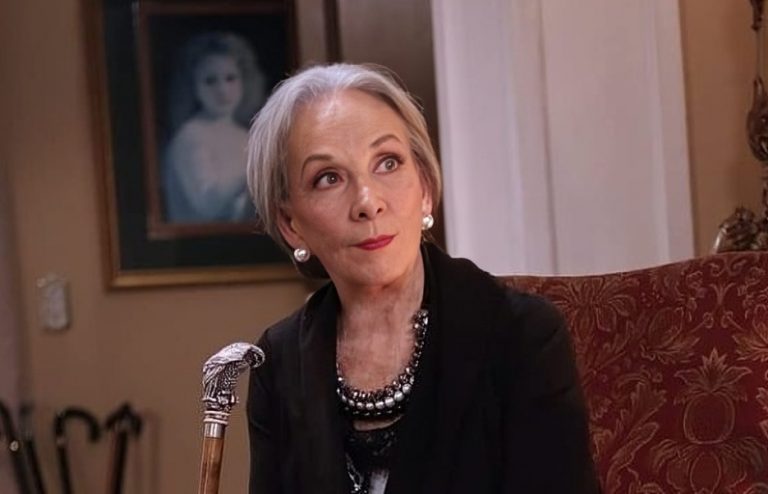
Following that, Vega’s career boomed as one of the most prominent in Mexican film. She went on working steadily in film and TV, genre-hopping from political satire on The Law of Herodes to sensitive dramas like Las horas contigo. She also started directing and writing, creating films that were her vision and voice. Even at the later part of her life, Vega remained active, featuring in the hit Netflix series La Casa de las Flores, where an entire new generation discovered her elegance and depth. Her enduring popularity over decades was a proof of her staying power and made her an actual legend.
Isela Vega’s Physical Appearance
Isela Vega was approximately 5 feet 6 inches tall and exuded poise and elegance that was part of her signature style. In her earlier years, with her dark eyes and dramatic looks, she was a natural beauty for the screen, and with her slender body and refined manner of movement, a compelling presence. Not only was her beauty physical, but emotional as well because she was able to express vulnerability and strength at the same time, thereby being one of the most captivating actresses of her generation.
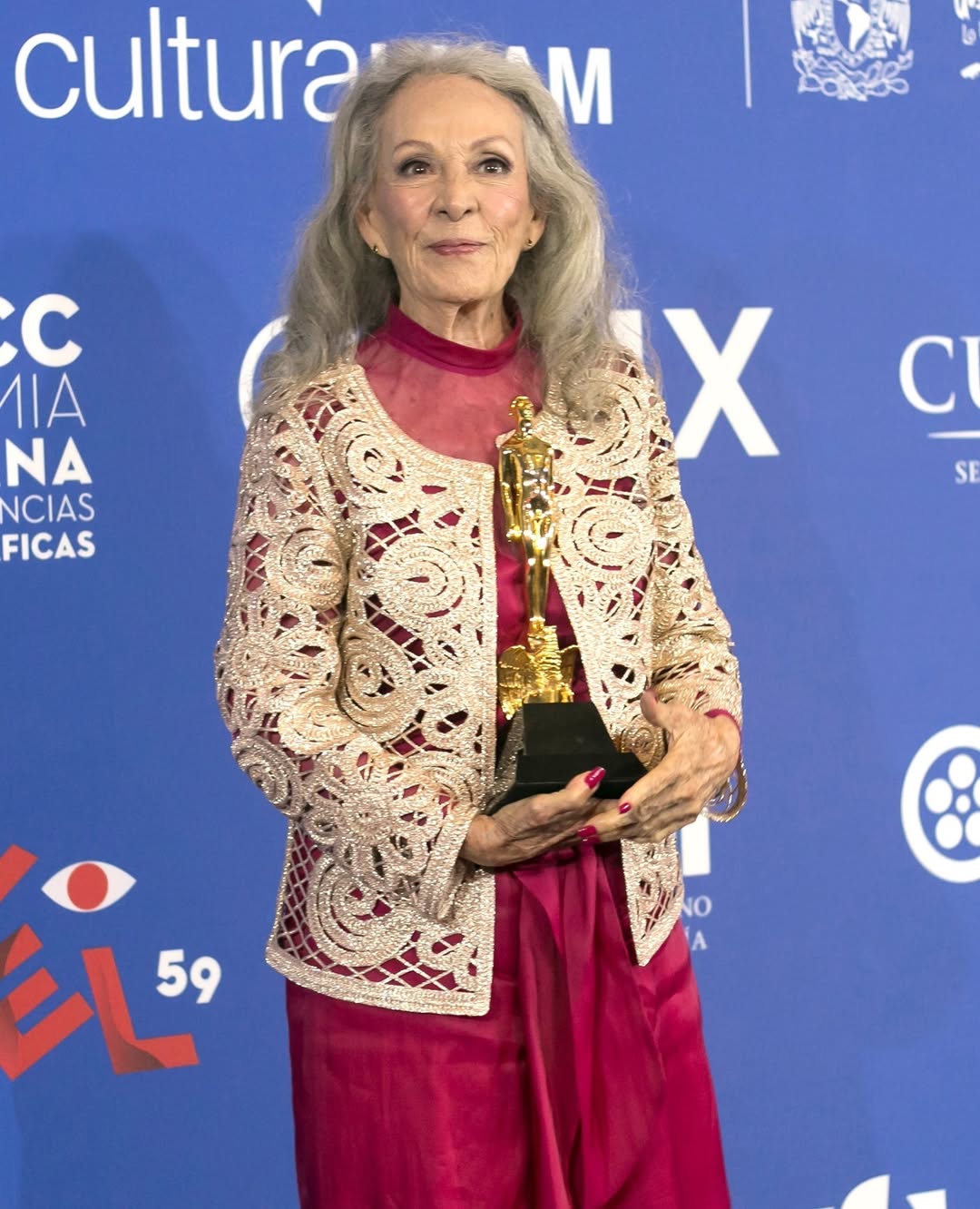
A mature elegance was the result as she became older. With her white hair and dignified bearing, she still radiated elegance, commanding respect in and out of pretend. Her fashion sense was equally admired, often combining glamour with plain simplicity. In both the elaborate costumes for her films or simply showing up wearing street clothes, she always radiated honesty. It is this authenticity that earned her not only the title of screen siren but also a human being with whom her fans could relate.
Net Worth
Isela Vega is thought to have amassed a sizeable fortune during her decades-long career, even if specifics of her wealth have been kept secret. When she died, her net worth was estimated to be between $2 and $4 million. She made money as a director, writer, producer, and model in addition to her acting career. Her involvement in other artistic ventures has provided her with additional sources of income.
However, money cannot fully capture her legacy. The genuine significance of Vega’s career lies in her cultural impact and contributions to Mexican filmmaking. She immersed herself in good causes, artistic and personal, and left a body of work that continues to inspire admiration. Profit was part of the equation, but her contribution to the arts is the best measure of her success.
Social Media
Unlike most modern celebrities, Isela Vega’s heyday was well before the age of Instagram and Twitter. She lacked official profiles or a massive following online. Instead, she built her star the old way—on magazines, film premieres, and television appearances. Today, she is still well-known thanks to fan websites, old movies, and tributes from fans who still complain about how successful she was.
Her art continues to exist online, despite Vega’s limited usage of social media. Pictures of her from the past, as well as recordings of her performances and interviews, can be found on YouTube and Pinterest. Here is where her admirers discover her. These digital platforms have given her films a new audience: younger people who were unaware that her films were displayed on enormous screens. The increased interest in her work on social media as she ages ensures that it will remain popular long after her death.
Legacy
Isela Vega’s personal legacy is one of a fearless artist who defied the conventions of what a woman could do in film. She was not afraid, she was not compromising, and she was willing to court controversy in order to tell the truth. Her 2017 lifetime achievement Ariel Award honored her by the respect and admiration of her peers. More importantly, however, her legacy lives on through the numerous actors and directors who cite her as an inspiration.
She opened doors not only on screen but also in becoming one of the first women of her generation to direct and produce movies. Her determination and vision opened doors for others in the industry and proved that art has no borders. Isela Vega is today remembered not just as an actress but as a trailblazer whose courage and talent revolutionized Mexican cinema forever.

0 Comments