

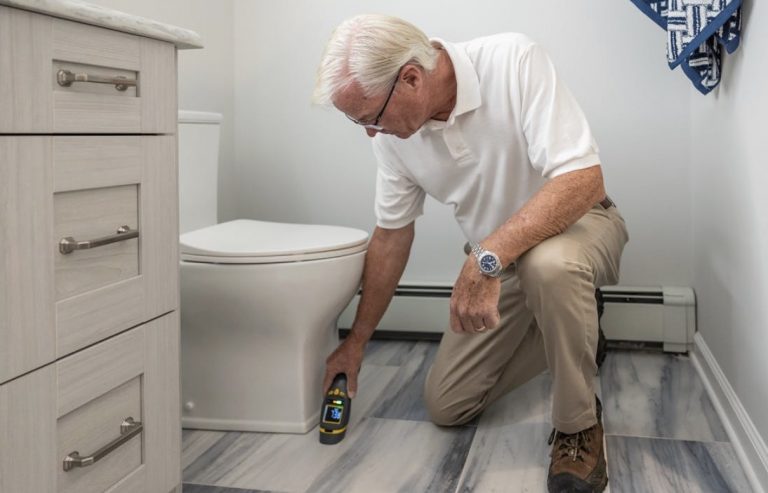

Plumbing has come a long way since its inception in ancient civilizations. The art and science behind moving water efficiently within our buildings have transformed dramatically thanks to technological advancements. Today’s plumbing systems are not just functional. They prioritize sustainability and efficiency to meet modern demands. This evolution reflects broader changes in society’s needs and the growing importance of water conservation and innovative materials. Understanding the transformation of plumbing technology helps us appreciate the comfort and safety we experience each day in our plumbing systems.
The Origins of Plumbing Technology
From the earliest times, plumbing has played a vital role in human civilization. Ancient Egyptians utilized copper piping, while the Romans engineered extensive aqueducts and sophisticated sewer systems. These innovations marked the beginning of plumbing as a science, allowing cities to grow and thrive by ensuring access to clean water and proper waste disposal. The Romans even had complex public baths, which demonstrated their advanced understanding of sanitation and plumbing.
As societies evolved, so did their plumbing methods. The Middle Ages saw a decline in public health measures, often due to the neglect of these systems. With the Renaissance, a renewed focus on hygiene and sanitary practices emerged. By the 19th century, cities started adopting precise plumbing strategies, which included the introduction of cast-iron and lead piping. This transition signified a shift from rudimentary systems to more durable materials that would withstand the test of time.
The Impact of Industrialization
The Industrial Revolution radically transformed plumbing systems. With rapid urbanization and population growth, cities needed effective solutions for water supply and waste management. This period saw the introduction of modern sewer systems, which utilized gravity to move waste away from populated areas, significantly improving public health. Alongside advancements in piping materials, the advent of the flush toilet revolutionized sanitation.
The Victorian era popularized indoor plumbing, making it a crucial element of modern households. Innovative designs, such as the S-trap, prevented foul odors from entering homes, paving the way for safer living environments. As plumbing systems expanded, the need for skilled workers emerged. The rise of plumbing experts, who could install, maintain, and innovate these systems, underscored the importance of professionalism in the field. Their expertise ensured that plumbing installations adhered to safety standards and functioned as intended, minimizing any associated risks.
Introduction of Modern Materials
The 20th century ushered in a new era for plumbing materials. Traditional metals gave way to modern alternatives like PVC (polyvinyl chloride) and PEX (cross-linked polyethylene). These materials offer flexibility, resistance to corrosion, and a longer lifespan, dramatically enhancing plumbing systems’ efficiency. PVC quickly became popular due to its lightweight nature and affordability, making it ideal for residential plumbing projects.
PEX, distinguished by its flexibility and ease of installation, allows for complex layouts without relying on a multitude of fittings. The ability to reduce the number of joints in a plumbing system minimizes the risk of leaks, ensuring durability in plumbing installations. Many plumbers now recommend these modern materials for both new constructions and retrofits.
Smart Plumbing Solutions
As technology advanced, plumbing systems became smarter. The integration of technology into plumbing has led to solutions that enhance user experience and promote efficient water usage. Smart faucets, leak detection sensors, and water monitoring systems contribute to efficient water management within households and commercial spaces.
Modern fixture technology allows homeowners to control water temperature and flow remotely through smartphone apps. These innovations promote awareness of water consumption, encouraging responsible usage and driving efforts toward conservation. By implementing smart technologies, homeowners can identify leaks early, reducing waste and minimizing repair costs.
Water Conservation and Sustainability Trends
The growing global emphasis on sustainability has propelled innovations in plumbing technology. Eco-friendly fixtures, such as low-flow faucets and dual-flush toilets, have gained recognition for their potential to markedly decrease water usage. Rather than sacrificing comfort, these solutions allow individuals and families to maintain their lifestyles while being mindful of their environmental impact.
Water-efficient appliances are another vital component of this trend. Washing machines and dishwashers designed with lower water usage conserve resources and save money on utility bills. Making such choices helps align modern plumbing with a sustainable mindset, fostering a culture of responsibility among consumers.
The Future of Plumbing Technology
Looking ahead, the future of plumbing technology promises further advancements. With ongoing research and development efforts, solutions such as greywater recycling systems and rainwater harvesting are becoming more mainstream. These systems collect alternative water sources, allowing for non-potable uses like irrigation and toilet flushing, which reduces consumption of freshwater.
The role of automation in plumbing installations and maintenance will continue to grow. Emerging technologies, from robotics to artificial intelligence, will enhance the efficiency and accuracy of plumbing service. These innovations are expected to impact the way plumbers work, enabling them to deliver even more precise and timely services to customers.
The evolution of plumbing technology has significantly transformed how water is managed, moving from ancient methods to modern innovations that prioritize efficiency and sustainability. From the introduction of new materials to the integration of smart technologies, these advancements enhance our daily lives and promote responsible water usage. As we look ahead, the plumbing industry will likely continue to adapt to changing needs, focusing on environmental considerations while providing comfort and safety.

0 Comments